Karen Walsh: How can I (legally) prevent trespassers on my farm?
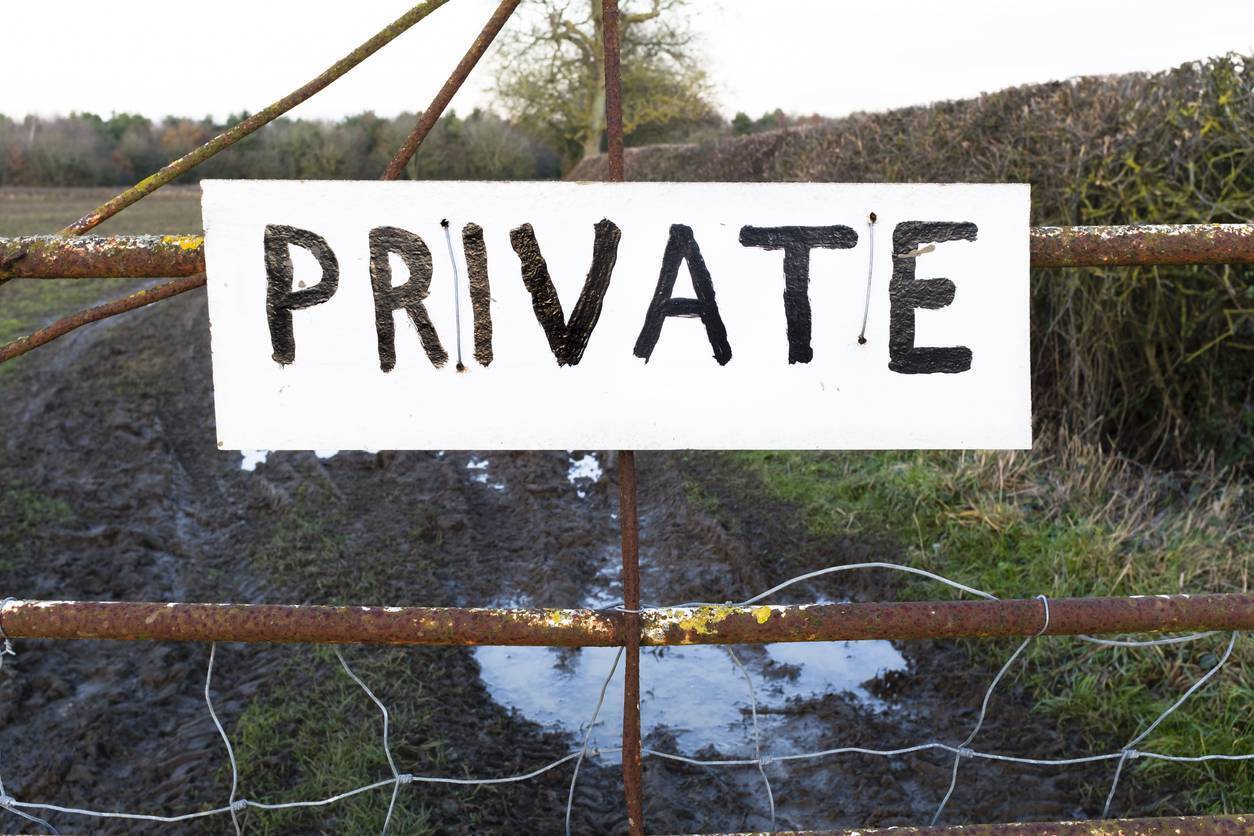
It is wise to take measures to prevent people being on your land even if it does not necessarily bother you, Karen warns.
Karen Walsh: How can I (legally) prevent trespassers on my farm?

It is wise to take measures to prevent people being on your land even if it does not necessarily bother you.

Dear Karen,

I am building a house on land I own and I currently am working abroad for work for a few months. A good neighbour of mine contacted me to say that teenagers are calling to the property at night and drinking on the upper floor of the house.

The windows have not been put in yet and the building in its present state is quite open.

I have the site secured as much as I can but they are still getting in. So far, there has not been a problem and nothing bad has happened but I am worried. Empty cans and litter are being strewn on my site and it is causing a nuisance to neighbours.

I’m worried someone might injure themselves on my land. Is there any way for me to keep the teenagers out or to protect myself in the case that something does happen while they are on my land?

Dear reader,

This is an issue many landowners face at one point or another — the issue of trespass. There can be many problems associated with trespassers and it is wise to take measures to prevent people from being on your land, even if it does not necessarily bother you.

A lot of farmers and landowners may be unaware that people who trespass on their lands have a certain amount of rights and you as the landowner owe them a duty of care.

In Irish law, a trespasser is recognised as a person who does not have authority or permission to be on your land. The duty of care that a landowner owes to a trespasser is twofold.

Firstly, the landowner is not to intentionally injure or harm the person, and secondly, the landowner is not to act with reckless disregard for the trespasser.

The first duty of care is rather standard and self-explanatory. The occupier of the land must not set out to intentionally harm any trespassers. The second duty of care, however, is a bit more complicated.

The phrase “reckless disregard” must first be understood. This means that you must take all care and measures to allow for the safety of any persons entering the land and to protect and prevent them from any obvious or hidden dangers that might have the potential to harm any persons.

In effect, you must have regard for any dangers that exist on your lands and take every effort to protect any potential trespassers from these dangers. If an incident were to occur with a trespasser and the case was brought before the court, then a few other factors would also be considered.

The court would look at whether there was a reasonable expectation for the landowner to know the trespasser might be on their lands. They will then consider the danger itself and whether it was reasonable to expect the landowner to protect the trespasser from it.

A few other factors will also be evaluated, such as the care the trespasser took for their own safety. Another way to prevent trespassers on your land that the courts will assess is if you have any visible signs or warnings up.

If there are any dangers on your land the signs should say something to the effect of “WARNING” or “Danger Ahead: Do Not Cross”.

If you have signs up simply stating that trespassers will be prosecuted then that does not constitute a warning to the trespasser in terms of their safety. These signs may be very effective, however, in keeping trespassers off your land.

In general, it is wise to have signs warning trespassers away and letting them know about any potential dangers in the area in order that they can protect themselves and to protect yourself. While having a sign up may not necessarily help you in a court case, it will not do you any harm either.

Without having to resort to prosecuting trespassers, as a landowner, you can still take steps to protect yourself from any liability that may occur. I would always advise any landowner to make sure any dangers on their lands are protected and to warn potential trespassers about such dangers in any way they can.

In your particular case, it is essential that you secure the house as soon as possible by erecting windows and doors to seal the house, preventing access.

x

More in this section

Farming

Newsletter

Keep up-to-date with all the latest developments in Farming with our weekly newsletter.

Cookie Policy Privacy Policy Brand Safety FAQ Help Contact Us Terms and Conditions

© Examiner Echo Group Limited