Food markets adjust to more than 3.5bn people in lockdown
Restaurant closures have taken a huge bite out of beef sales. In the UK, which takes about half of Ireland’s beef production, foodservice (meals prepared outside the home) accounts for 21% of beef sales.
UK retail sales of beef would need to increase by around 27% to offset lost eating out sales.

Restaurant closures have taken a huge bite out of beef sales. In the UK, which takes about half of Ireland’s beef production, foodservice (meals prepared outside the home) accounts for 21% of beef sales.

Eating out accounts for 15% of lamb sales in the UK, 14% of pork, and 13% of potatoes. Over half of foodservice visits in the UK include dairy.

But Covid-19 lockdowns have decimated the traditional restaurant sector. With seated dining areas closed, only those that operate online and offer a delivery service can continue.

The impact on the food industry is huge, and not limited to the UK, which is the destination for one third of Ireland’s food and drink exports.

Eating out is an important channel worldwide for food sales, now decimated due to lockdown of an estimated more than 3.5bn people across the world. Sales by the German food service sector were down 50% in March, and are predicted to be down 90% in April.

Potato farmers in the Netherlands saw their market collapse overnight with the closure of restaurants in mid-March, leaving a million tons to pile up in storage, about 25% of annual potato production.

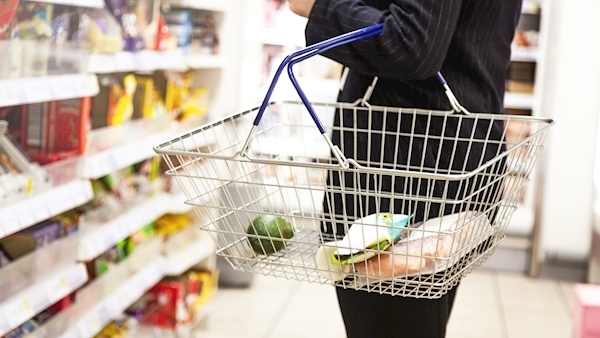
The Covid-19 pandemic has brought a huge challenge for the foodservice service. But supermarkets have thrived. The latest figures indicate March was the best month on record for British supermarkets, with sales rising by a fifth compared with the same month in 2019, according to retail research. Figures for Ireland indicate the grocery market has experienced its busiest ever period, making March the biggest month of grocery sales ever recorded.

Grocery and convenience store sales in Belgium and France were up by 37% and 30%, respectively, in the March 16-23 week.

For the food industry, huge sales of food and drink help to ease the impact of the loss of foodservice sales. Statistics indicate that sales of frozen food jumped by 84% in the UK, and alcohol sales by 67%.

In Ireland, the droves of shoppers showed a preference for foods with a longer shelf life, with sales of these jumping 32%, whether frozen or for storage at room temperature.

By comparison, growth in fresh food sales has been more modest, at 16% since the pandemic was declared. Farmers and the food industry will hope for a rebalancing of sales of fresh and non-perishable items, as shoppers with full freezers and cupboards replenish fresh supplies, after a certain amount of panic buying distorted the retail statistics.

It was non-food sectors such as personal hygiene products that benefited most, when the average Irish household spent an additional €122 from mid-February to mid-March. The same pattern was repeated worldwide in countries with Covid-19 lockdowns.

Part of the explanation for the fishing and floral industries being hit hardest is that retail demand for higher value products, such as wine, fish, and flowers weakened significantly.

At the other end of the scale, demand jumped for shelf-stable products like rice, pasta, eggs, canned goods, long-life fruits and vegetables.

In the UK alone, the eating-out market was worth £81.1bn in 2019. Some food products are more affected than others by restaurant closures. One is pork, particularly important in the full English breakfast. Beef featured prominently in fast food and pub food. McDonalds has closed all its restaurants, which alone accounted for 80% of fast food burger occasions last year in the UK.

It is estimated by Kantar Worldpanel analysts that 503m extra in-home meals (increased 38%) will be eaten per week in the lockdown period in the UK. That’s where increased retail demand for food comes from. But it is estimated that UK retail sales of beef would need to increase by around 27% to completely offset lost eating out sales.

Retail sales would have to increase 10% for milk, 15% for potatoes, 16% for pork, and 18% for lamb.

Losing dairy sales due to quick service coffee outlet closures should not be underestimated. In the UK, hot beverages account for a significant volume of liquid milk. The UK’s Agriculture and Horticulture Development Board estimates around eight million litres of milk are sold per week to foodservice outlets.

Lamb sales may not be so badly affected, with lamb curry a popular dish for home delivery.

More in this section

Farming

Newsletter

Stay ahead of the season. Sign up for insights, expert advice and stories shaping Irish agriculture.

Cookie Policy Privacy Policy Brand Safety FAQ Help Contact Us Terms and Conditions

© Examiner Echo Group Limited