GPS collars on trial for livestock in the Welsh hills
Sheep and cattle grazing in remote areas in Wales have been fitted with GPS collars, in an investigation to improve grazing management, and to even reduce the chance of livestock theft.
GPS collars on trial for livestock in the Welsh hills

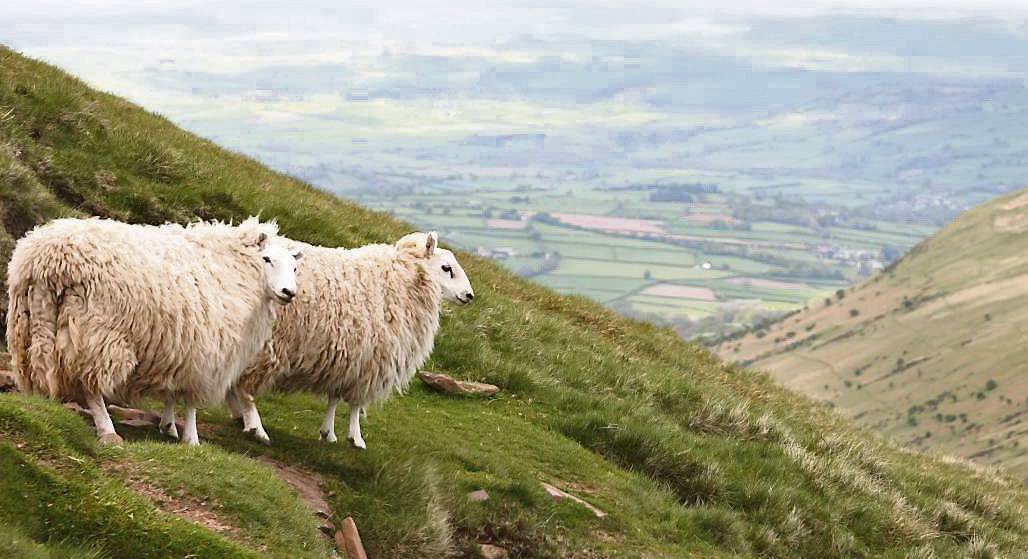
Sheep on the Brecon Beacons in Wales: A two-year trial is under way of using GPS collars to monitor livestock in hard-to-reach grazing environments.

Sheep and cattle grazing in remote areas in Wales have been fitted with GPS collars, in an investigation to improve grazing management, and to even reduce the chance of livestock theft.

Six farmers are taking part in trials of tracking technology in two cattle herds, and four sheep flocks, for the 2020 and 2021 grazing seasons.

The sheep farms are in the Brecon Beacon mountains, on summer grazing commonages. One of the cattle farmers grazes the Kenfig coastal reserve near Port Talbot, and the other undertakes conservation grazing on land in North Wales.

Each setting has its challenges in terms of ensuring animal health and welfare, and monitoring grazing.

Locating the livestock on these sites, for regular welfare checks, and to gather them for health treatments, can be time-consuming.

But that is no longer a problem, with the tracking neck collar programmed to send GPS data every 10 minutes, powered by a battery which lasts between 12 and 24 months. It could be one of the alternative methods farmers are looking for, to ensure livestock are safe in hard-to-reach grazing environments, at a time of reduced labour availability for cattle and sheep farmers.

The Brecon Beacons National Park is a project partner, as is Natural Resources Wales, because both have an interest in helping farmers keep livestock in extensive grazing systems, in a way that is cost-effective for the farmer, and enhances the environmental characteristics of protected landscapes in Wales.

The farmers can access data on the tracked livestock through their smartphones.

They can see where the animals are located (latitude and longitude) and can check their grazing and resting behaviour indicators.

If the level of movement of an animal is unusual, alerts are sent to the farmer.

The information can reduce livestock gathering time and costs, minimise the risk of theft, help identify ill animals, and improve understanding of their grazing habits.

The project uses Digitanimal, a Spanish supplier, to install and to trial the technology.

x

More in this section

Farming

Newsletter

Stay ahead of the season. Sign up for insights, expert advice and stories shaping Irish agriculture.

Cookie Policy Privacy Policy Brand Safety FAQ Help Contact Us Terms and Conditions

© Examiner Echo Group Limited