Dairy is most sustainable farm business
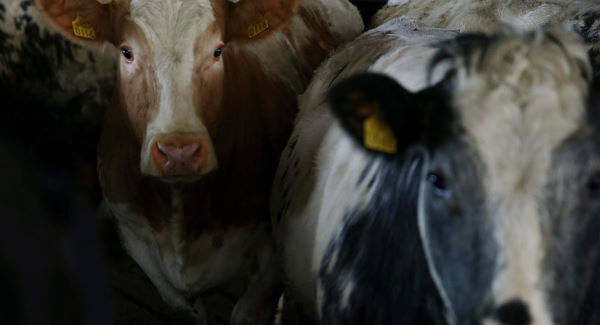
Dairy is Ireland’s most sustainable farm enterprise in income terms, Teagasc has outlined in a report issued at its Sustainability Conference in Dublin.
The Sustainability Report illustrates the income gap between dairy farms and other farm types in Ireland, which has accelerated with the growth in Irish milk production in recent years. Using data compiled from the Teagasc National Farm Survey 2017, the Sustainability Report tracks the performance of Irish farms in economic, environmental and social sustainability.
“Farm-level emissions efficiency is improving, with a trend towards fewer emissions of greenhouse gases and ammonia per unit of product produced,” stated Dr Cathal Buckley, Teagasc economist and author of the report. “However, emissions of greenhouse gases and ammonia are increasing on farms that are growing in size. Data compiled through the report will be valuable for policymakers and the agri-food industry in understanding how best to focus efforts to address farm emissions and contribute to national targets for gaseous emissions reductions.”
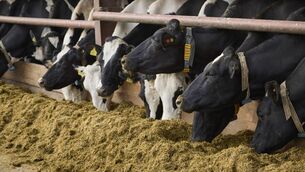
In general, dairy farms show the strongest economic performance, far ahead of all other systems in terms of economic return and profitability on a per hectare basis.
Average income per labour unit (unpaid family labour) for dairy farms in 2017 was €68,646. Average income per labour unit was €95,734, €71,253 and €37,582 for the top, middle and bottom performing farms respectively.
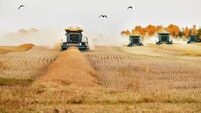
Tillage was ahead of cattle and sheep. Average tillage income per labour unit (for unpaid owned family labour) was €44,330.
Teagasc’s survey showed that across all cattle farms, average income per labour unit was €16,909 in 2017. This covered a range from €30,126 for higher earners, versus €13,245 and €7,013 for the middle and low cohorts of cattle farms respectively. The sheep farm average was €17,043 with a similar range.
IFA president Joe Healy said the report, while recording improved economic returns in dairying, has once again highlighted the profitability challenges of vulnerable sectors, including livestock and tillage.
“All too often in the sustainability debate, climate and the environment take precedence. It is hard for farmers to be green while they’re in the red. In this context, the Sustainability Report must be welcomed,” he said. “The report, while showing overall increases in GHG emissions, also highlights the fact that emissions per kilo of output are decreasing, as output increases and efficiency improves.”
Mr Healy urged the joint Oireachtas committee on climate action and the Government to support the full implementation of the Teagasc Climate Road Map, rather than increasing costs and taxes.