IFA calls for EU-UK tariff-free trade
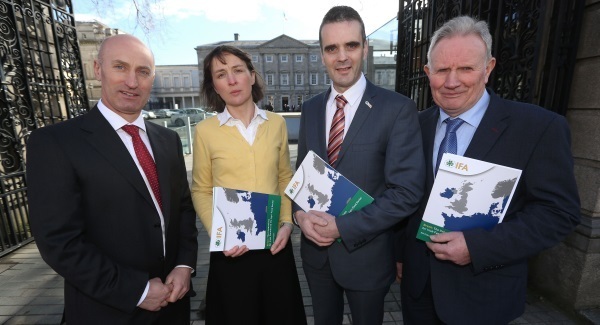
The European Commission must prioritise the continent’s 22 million farmers and 40 million related jobs in its talks with Britain about its exit from the EU, said Joe Healy, IFA president.
IFA calls for EU-UK tariff-free trade

Launching IFA’s Brexit strategy, Mr Healy cited ESRI estimates a ‘hard’ Brexit had a potential reduction of EU trade to the UK of over 60% for dairy and 85% for meat. He said it was clear farming and food must be top of the Brexit agenda, not only in Ireland, but at EU level.

“Translating this to an Irish context would mean a fall of €1.5bn in meat exports, with dairy exports falling by over €600m,” he said. “Simply put, no other member state and no other sector is as exposed in these negotiations.

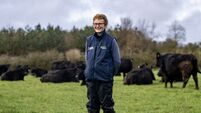
"UK is our closet market, of high value with similar preferences. If the UK exits the single market and customs union, there must be a comprehensive free trade agreement between the EU and UK.”

The IFA is proposing tariff-free trade for agricultural products and food between the EU and UK, plus maintaining equivalent standards on food safety, animal health, welfare and the environment. It also suggests using a common external tariff for imports to both the EU and UK.

The farmer organisation has reminded the Government Irish farming is particularly vulnerable to Brexit, the destination for 40% of all Irish food exports. The EU’s high tariff protections on agricultural products will make Irish exports to the UK uncompetitive versus non-EU products.

The IFA has also highlighted the unique nature of animal health co-operation with Northern Ireland, and cross-border trade flows. The budget for the Common Agricultural Policy will also be reduced as the UK is a net contributor. Joe Healy said: “With 22 million farmers and 40 million related jobs, there is a wider strategic objective to maximise the future value of the EU farming and food sector.”

Mr Healy said the farming and the food sector’s priorities are the maintenance of the closest possible trading relationships between UK and EU, while preserving the value of the UK market.

A strong CAP budget following the UK’s departure is also vital for the future of Irish farming. IFA livestock chairman, Angus Woods, said: “The UK is the market for 50% of Irish beef exports.

"It’s a high-value market and consistently pays about the EU average. Any reduction in access to, or the value of the UK market, would have a very negative impact on the Irish beef sector, and potentially the overall European beef market.”

IFA deputy president, Richard Kennedy, added that a third of Irish dairy exports went to the UK in 2016. He said Irish cheddar cheese volumes of 78,000 tonnes represented 82% of all cheddar imported by the UK last year.

“Retaining our tariff-free access is critically important, particularly for cheddar exports,” said Mr Kennedy. “The loss of this, or any negative impact on access, could have a destabilising impact on the overall value of the Irish dairy sector.”

The IFA will continue to promote these issues with the Government, the EU Commission and other European farmer groups in the coming months. Elaine Farrell has been appointed IFA’s Brexit co-ordinator for the campaign.

IFA is to host a Brexit event on Monday, April 24, in Goffs, Co Kildare. EU Commissioner for Agriculture Phil Hogan, Agriculture Minister Michael Creed, IFA representatives and industry leaders will attend.

More in this section

Farming

Newsletter

Stay ahead of the season. Sign up for insights, expert advice and stories shaping Irish agriculture.

Cookie Policy Privacy Policy Brand Safety FAQ Help Contact Us Terms and Conditions

© Examiner Echo Group Limited