EU to back Irish fishermen with funds in face of Russian import ban
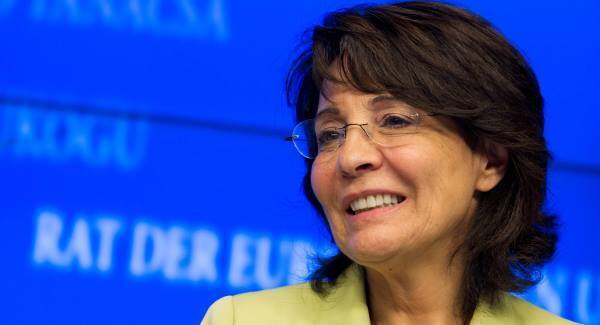
Maritime Affairs and Fisheries Commissioner Maria Damanaki gave the pledge in a letter to Italian Minister Maurizio Martina and the chair of the European Parliament’s Fisheries Committee, Alain Cadec.
Commissioner Damanaki outlined that the EU can provide financial support to the sector as well as the possibility of shifting unused fishing quotas to 2015.
The main EU member states exporting fish products to Russia in 2013 were Denmark, Latvia, UK, Ireland, Estonia, Spain and France.
Ireland exported mackerel, herring and horse mackerel worth over €20m to Russia last year and this figure was expected to rise further this year.
Agriculture, Food and Marine Minister Simon Coveney said last weekend that losing this market was a significant blow to the Irish fishing industry.
Calling on the EU to help deal with this difficult situation, he said he had asked the Commission set up a taskforce to address it.
He said he had also asked the Commission to carry out an urgent review of the current rules and amount of funding available for storage aid, with a view to the establishing an emergency fund.
Commissioner Damanaki has now urged the EU governments concerned by the ban to make use “as quickly as possible” of the European Maritime and Fisheries Fund.
This can provide financial help to producer organisations who are unable to sell their products to Russia. The aid enables them to store the unsold products until new markets have been found.
She underlined that no approval by the European Commission is necessary to unlock these storage funds.
Commissioner Damanaki also pointed to flexibility rules which allow member states to carry over up to 10% of their fishing quotas to the following year.
She said she was also examining the possibility of going beyond the 10% quota flexibility on the condition that scientific assessments showed it would not undermine long term sustainability.