Badger culling ‘not an effective way of reducing TB in cattle’
A study which models the way in which TB spreads across Britain using data on cattle dating back to the 1990s found that few options could reverse annual increases in the disease.
The research, published in the journal Nature, found that only culling the whole herd when infection was found, vaccination of cattle, or additional national testing for infection would be effective in stemming the rise of the disease. But the researchers said whole-herd culling would initially involve a 20-fold increase in the number of cattle slaughtered and the measure was a “draconian” one, which they did not advocate.

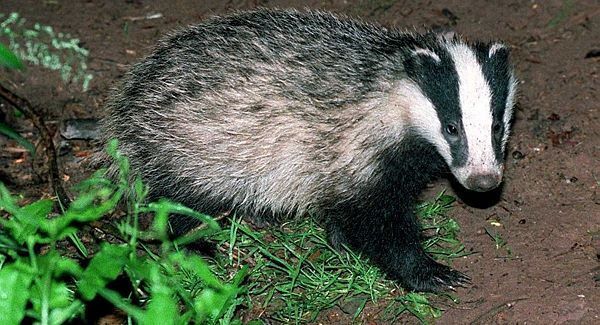
The latest analysis was seized on by anti-cull campaigners as further evidence that culling badgers to control TB in cattle did not work, but the British government rejected the findings, saying badger culling was necessary as part of measures to prevent the disease.
The model looked at transmission of bovine TB within farms, between nearby farms, and between more distant farms due to cattle movement. It also modelled the effects of control strategies on the potential spread of TB. It assessed whether new TB cases, or breakdowns, in herds were caused by cattle movements, testing which missed infection as the test is only around 70% effective or by infection from the farm environment, and found 40% were a combination of all three.
The study was unable to separate out transmission from badgers and from other routes in the environment such as pasture where the disease lingered. However, the environment seemed to play a “relatively minor role” in onward transmission of TB, said Prof Matt Keeling, of the University of Warwick and one of the study’s authors.
Cutting environmental transmission between farms by half, which could represent the impact of a large scale badger cull, has “relatively little effect”, the researchers found, and predicted that controlling badger populations would have a limited effect on TB.
Halving environmental transmission could cut the rise in TB from 10% annually to 6%, they suggested.
The research found that culling the entire herd if an animal tests positive had by far the greatest effect, reducing infected cattle, numbers slaughtered and affected farms by 80% compared with standard measures after six years. It also had a huge cost, requiring the slaughter of 20 times the number of cattle than would otherwise be killed as part of TB control measures, although in the long run fewer animals would be slaughtered.
Vaccination had a marked effect in reducing the disease, although the vaccine offers cattle only limited protection.
Increased testing leads initially to more cattle slaughtered and farms placed under restrictions for being infected, but does reduce the disease in later years.