Stephen Cadogan: EU’s Vision for Farming: Big promises, but who pays the bill?
Amidst the ongoing debate over the next seven-year EU budget, there were few clues in the announcement as to where money will be found for agriculture, writes Stephen Cadogan.
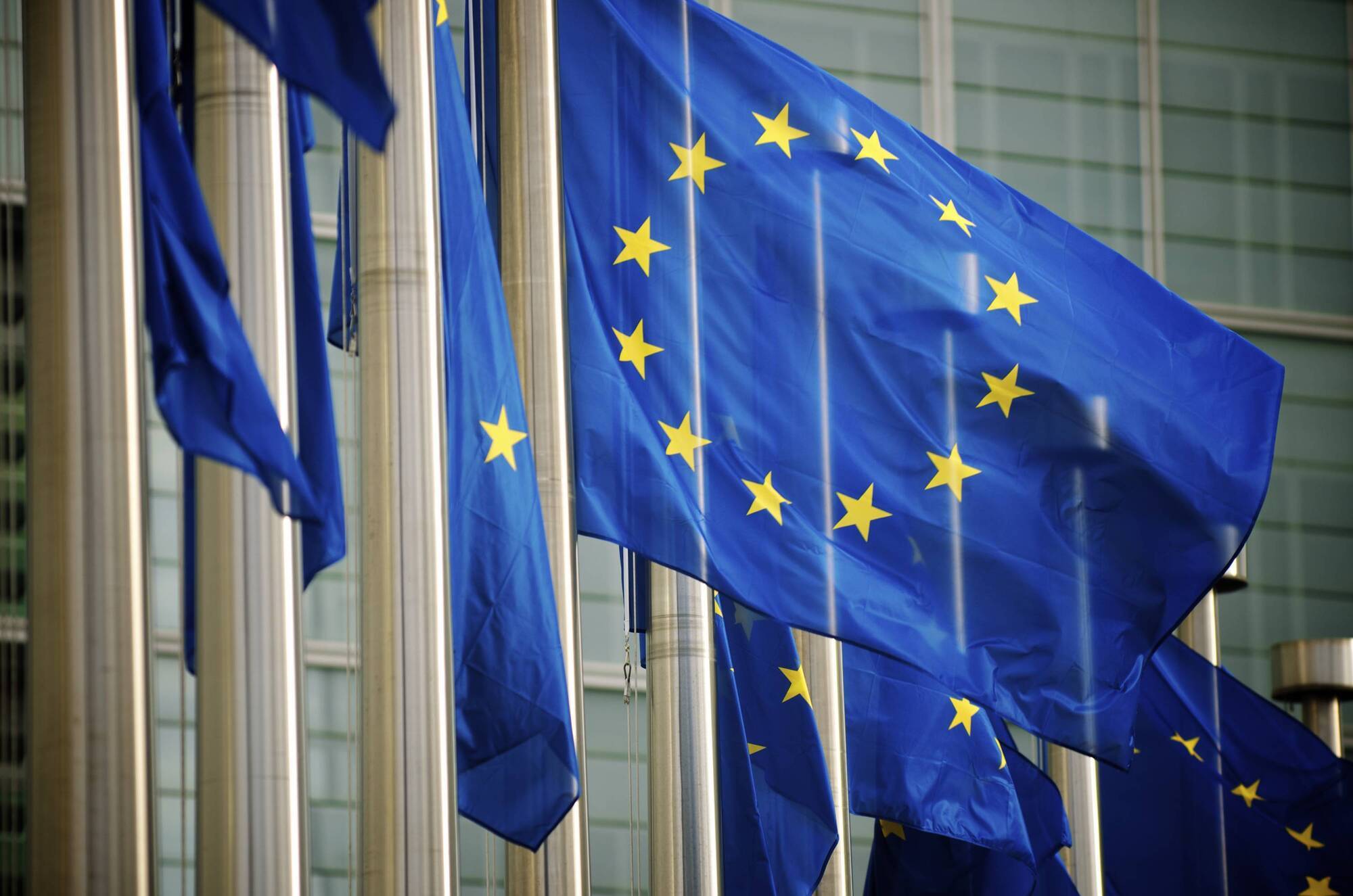
The EU Commission was back on familiar ground last week, when unveiling its "vision for food and agriculture". Only a few days previous, the Commission was invited only as a guest, when French President Emmanuel Macron summoned the leaders of Germany, Italy, Spain, Poland, Denmark and even the UK to an urgent meeting, after US President Donald Trump threatened to walk away from protecting Europe, and left it on the sidelines by opening direct negotiations with Russia's Vladimir Putin on the fate of Ukraine.
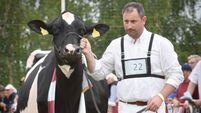
Away from the hot geopolitical area, the Commission was more comfortable last week, presenting its roadmap vision for the EU farming and agri-food sector, albeit with only farmers really interested.
The Commission's "vision" says "unprecedented challenges" and "growing geopolitical tensions" create a new landscape for the agri-food sector. And, it being the Commission, it had to include "more frequent extreme weather events" in this triple whammy assessment.
With some experts saying a US withdrawal from Europe would be as destabilising for the EU as a Russian nuclear attack, trust the climate-obsessed Commission to keep talking about the weather.
Nevertheless, farmers have welcomed the vision's full acknowledgement of the importance of agriculture within the current geopolitical context, as a key strategic asset and a pillar of European sovereignty. Perhaps it took talk of trade wars (and real wars) to fully convince the Commission of that?
But Copa and Cogeca, which represent member states' farmers organisations and agricultural co-ops in Brussels, were quick to add that Commission ambitions and proposals will amount to little without a robust CAP backed by an increased budget that supports active farmers with automatic budget corrections for inflation.
Otherwise, inflation will shrink the economic value of the CAP by 54%, or by €250bn, in 2034 compared to its 2020 value. And Ukraine, as a new member, might be soaking up 20% of that halved budget by 2034.
Amidst the ongoing debate over the next seven-year EU budget, there were few clues in the announcement as to where money will be found for agriculture, when negotiations for the next seven-year budget begin in the summer, and it becomes clear that repaying €300bn of EU debt incurred due to the Covid pandemic could soak up between 15% and 20% of EU spending. And with every day that passes, it will become more clear that defence spending, ongoing support for Ukraine, climate action, and asylum seekers will also become huge draws on medium-term finances.
IFA asked how the Commission can proceed with the proposed Mercosur trade agreement allowing in products of a lower standard, while promising in last week's vision document to insist on high standards in imported products.
One thing that won't change is Europe’s transition to a low-carbon economy (which will further enrage climate deniers such as President Trump).
But the vision "recognises the need to reconcile climate action with food security". What does that mean? Well, for example, the Commission will carefully consider before banning the remaining pesticides available in the EU, if crop protection alternatives are not available in a reasonable time. Faced with that kind of Brussels thinking, tillage farmers probably won't be holding their breath for this vision to bring any significant change.