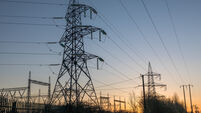
The next energy bill shock? Rising gas prices put Irish electricity costs under pressure

Wholesale electricity prices are trending up as gas reserves across Europe are being depleted in advance of a potentially cold winter, leading to the possibility of further electricity price increases.
Wholesale electricity prices are trending up as gas reserves across Europe are being depleted in advance of a potentially cold winter, leading to the possibility of further electricity price increases in the coming months.
Electricity providers have increased prices in the last few months. PrePayPower, Electric Ireland, Yuno Energy, and Flogas all implemented price increases between June and July. Pinergy increased prices in September. SSE Airtricity, Energia, Bord Gais Energy all increased prices in October.
However, even in that short period of time, wholesale prices have grown higher.
Following the war in the Middle East, the price of gas surged but given demand was lower during the summer prices remained somewhat lower than anticipated. However, entering the winter months, prices increased significantly as colder weather was expected to increase demand.
Read More
According to the Dutch TFF Natural Gas Futures, gas was trading at around €32 per megawatt hour (MWh) just before the US attacked Iran leading to the closure of the Strait of Hormuz. In retaliation, Iran also targeted natural gas infrastructure in the gulf further impacting supplies.
Over the following months, prices remained relatively stable between €40 and €50 per MWh but prices began to increase quickly from July. In October, prices peaked at just under €104 per MWh and it has come down to just under €90 since then.
According to new data from the Central Statistics Office (CSO), wholesale electricity prices in October increased by 11.3% compared to September and by 101.3% compared to October last year.
Data from Eirgrid shows that electricity generated from gas has been making up between 50% and 60% of the total electricity generated in the country during the winter months. This varies depending on the level of renewables available each day.
While wholesale gas prices may be high, these increases generally take some time to feed through the system before showing up on customers' household bills.
Daragh Cassidy of price comparison website Bonkers.ie said that “wholesale electricity costs now only make up around a third of a household's electricity bill” so if wholesale prices have gone up by 100% “that doesn’t mean we should expect bills to go up by the same amount”.

“Unless all the other costs which make up the electricity bill were going up by the same amount,” he said.
Mr Cassidy said that energy companies buy their energy “days, weeks, and months in advance through hedging” so the price “we pay for our gas and electricity is an average of the price on wholesale markets over the course of around six months to a year really”.
“So it takes time for price changes to feed through into people’s bills. Besides, many of the energy suppliers only increased their prices last month. However we’ll probably see price increases again in the New Year unfortunately. I would expect some announcements from some of the energy suppliers near the start of February.”
The concern over gas prices have increased in recent days as concerns over a cold snap across Europe intensified. Winter gas supplies across Europe were already under pressure There is now a risk that Europe will burn through fuel inventories faster than expected during the heating season, leaving the region with a thinner buffer against further supply shocks.
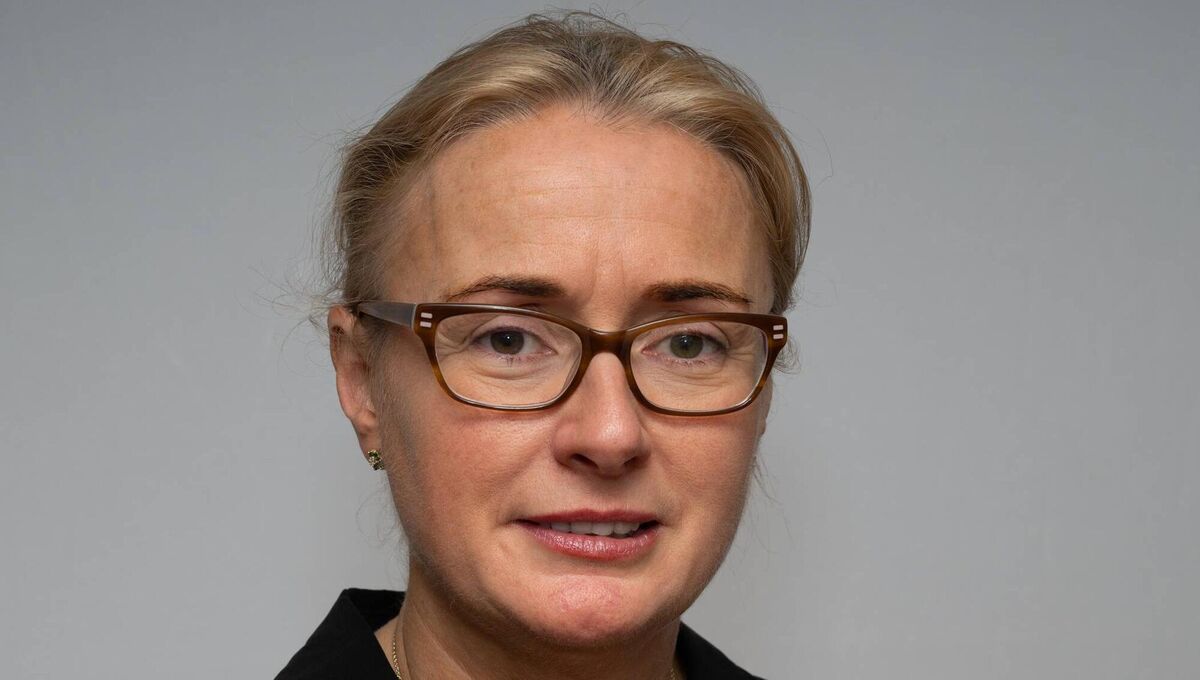
Professor Aoife Foley, who is originally from Cork and is chair in net zero infrastructure at the University of Manchester and a chartered engineer, said there is a lag in the wholesale energy markets and the price of electricity and gas are “rising sharply” amid low gas storage levels across Europe of around 70%.
“They're going to create another round or another prospect of pressure on consumers and businesses,” she said.
She said the Government has done a lot in terms of subsidies - for things such as solar panels, heat pumps, retrofitting - which are similar measures being deployed across Europe but there needs to be really targeted measures in order to get at people who are really at risk.
“People who have illnesses where they can't work, they have disabilities that make it harder for them to work or they are in a wheelchair. Or they might be paralysed, or they might have some sort of degenerative disease where their parents are minding them 24/7 at home. They're the type of people who need our support for target inventions,” she said.
According to the latest data from the CRU, during August there were 316,222 domestic customers in electricity arrears with 186,662 gas customers in arrears. The average value of a domestic electricity account in arrears is €512.44 while the average value of a domestic gas account in arrears is €201.99.
“It's how do we manage those targeted interventions? "We need to get the Department of Social Welfare talking to the people and the different [departments] to identify the people who need the support the most so we can manage it in an economically efficient manner for the whole economy.”
Price increases have already been announced in the UK. It was announced earlier this week that UK households will see their energy costs rise 26% from January as the war pushes up wholesale gas and electricity prices, The UK’s Ofgem’s price cap, which limits how much suppliers can charge consumers per unit of energy, will rise to the annual equivalent of £2,166 (€2,590) from January 1. This is the steepest rise since October 2022, at the height of Europe’s energy crisis following Russia’s invasion of Ukraine.
Additional reporting Bloomberg.

BLACK FRIDAY
Already a subscriber? Sign in

CONNECT WITH US TODAY



Be the first to know the latest news and updates