Irish household wealth grows to €1.43tn with most of it tied up in housing
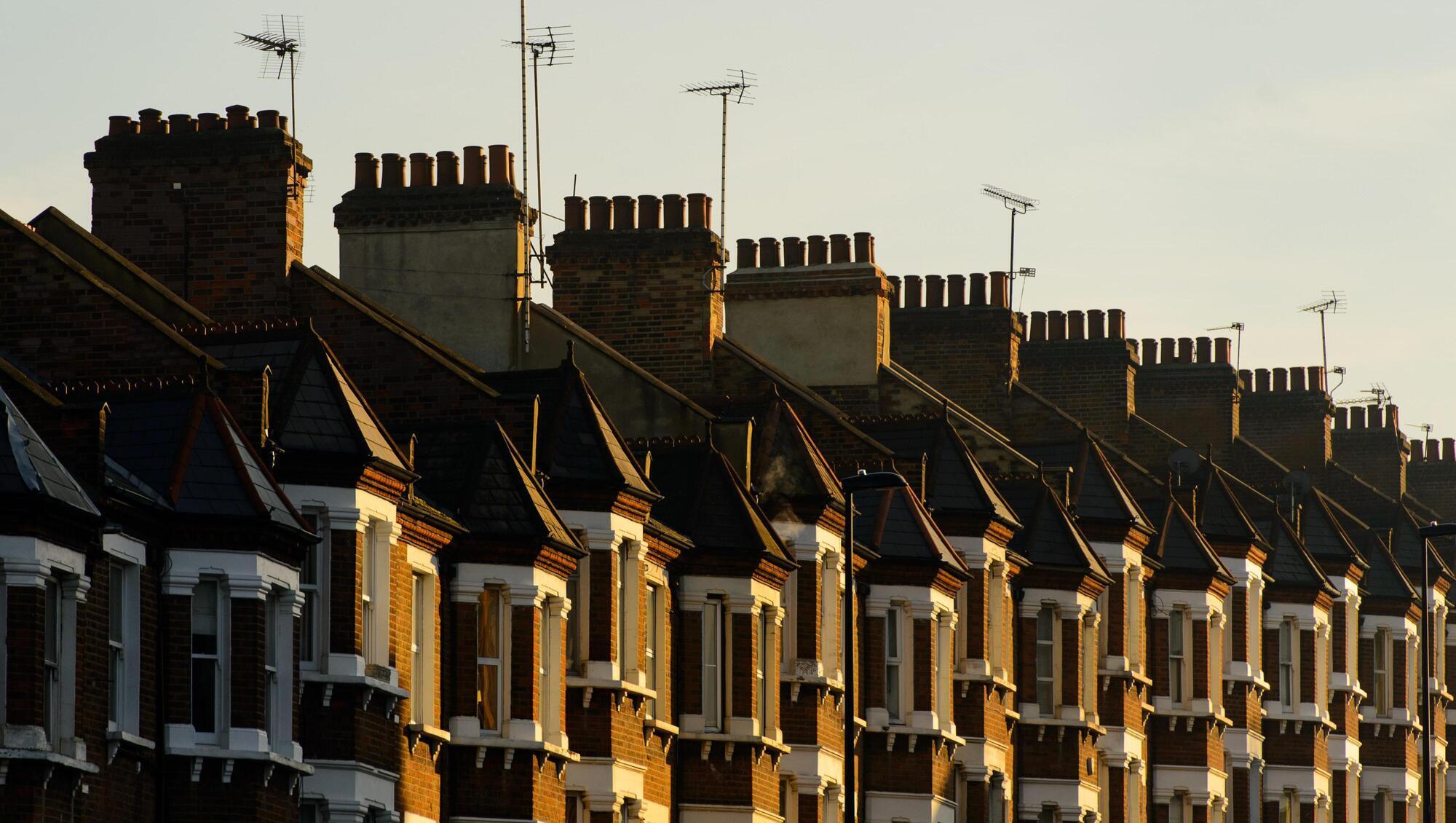
Housing accounts for 66.9% of total net wealth in Ireland. File picture
Irish household wealth increased by €42.8bn to €1.43tn between April and June, compared to the previous quarter, but much of that wealth is tied up in housing which makes families appear “wealthier on paper”, new data from the Central Bank of Ireland shows.
According to the Central Bank, these latest figures represent a new series high “continuing the pattern of growth seen in recent years”. The overall increase in net wealth was mainly driven by a €35.3bn rise in financial assets with increasing valuations accounting for €29.8bn of this growth, while transactions contributed €5.1bn.
In total, the value of the financial assets held by households stood at €635.9bn as of the end of June, which was mainly composed of €225.2bn in currency and deposits and €295.7bn in insurance and pension entitlements.
However, while financial assets make up a significant proportion of household wealth, housing still accounts for 66.9% of total net wealth in the country. This has increased by €11.1bn over the quarter largely due to increased house price valuations.
Private client manager at wealth advisors NFP Ireland Ella Gleeson said it shows a significant “proportion of Irish household wealth is tied up in property” with rising property values making “families wealthier on paper”.
Read More
“That does not necessarily mean they have greater financial resilience,” she said.
“Irish inflation is now at a three-year high and figures released earlier this week show that wholesale electricity prices, which ultimately impact the prices that households pay for their electricity, have more than doubled in the last year,” she said.
“When household budgets are stretched, longer-term savings can easily be pushed down the priority list. Against the backdrop of high inflation, it’s never been more important for Irish households to manage their finances carefully, to build financial resilience and to protect their wealth."
Total household investment during the quarter amounted to €8.7bn which was mainly driven by investment in new housing assets which equaled €3.6bn. Financial investments were primarily in currency and deposits, amounting to €3.3bn, and insurance and pension entitlements, €2.3bn.
Total household liabilities increased by €3.5bn to €162.5bn in the quarter predominantly driven by a net incurrence in long-term loans of €5.9bn over the quarter. The debt-to-income ratio of Irish households also marginally increased, reaching 81.0% at the end of the quarter.
Wealth concentration among the richest households in the country has been on the decline. At the end of June 2016, the wealthiest 10% of households held 53.9% of the total household wealth across the country which, as of the end of June this year, has dropped to 47%.
At the end of June, the top 10% of Irish households owned €686.7bn. The total net wealth of households in the bottom 50% increased by €3bn to stand at €145.3bn, or 9.9% of the national total. Households in the “middle” part of the distribution owned €629.4bn overall, or 43.1% of total net wealth in the country.
For all household groups, housing assets represent the main component of their wealth.
As of the June 2026, the Irish Gini coefficient — measurement of wealth inequality — was 62.8. A Gini coefficient of zero would represent everyone having the exact same level of wealth.
“This remained well below the value of the same index for the euro area as a whole, 73.0, and of most other European countries, as it has been for the past years,” the Central Bank said.

BLACK FRIDAY
Already a subscriber? Sign in

CONNECT WITH US TODAY



Be the first to know the latest news and updates