Irish workers most willing to discuss pay packet with colleagues, report says

The report from recruitment firm Morgan McKinley examines how greater openness around pay is changing recruitment, employee expectations, and workplace practices. File picture: iStock
Irish employees are the most open internationally when it comes to talking about their wages, with four in 10 employees happy to discuss their salaries with colleagues, a new report says.
The report from recruitment firm Morgan McKinley found 41% of Irish employees surveyed said they were willing to discuss their salaries with colleagues, compared with 34% globally.
The Pay Transparency: A Global Market Readiness Report was based on research involving 2,938 respondents (2,744 employees and 194 employers) across seven international markets: Ireland, the UK, Australia, Singapore, Hong Kong, Japan, and Canada.
The report examines how greater openness around pay is changing recruitment, employee expectations, and workplace practices. Ireland accounted for 41% of employee respondents and 42% of employer respondents.
The research found that almost three-quarters (73%) of Irish employees are comfortable with salary ranges within their organisation being made public, while 71% believe greater pay transparency can help close gender and diversity pay gaps.
Read More
Pay transparency is becoming a wider focus for employers. The EU Pay Transparency Directive introduces new requirements on salary disclosure, pay history enquiries, employees' rights to pay information, and enhanced gender pay gap reporting.
Ireland missed the June 2026 deadline to transpose the directive into Irish law but the Government has said it will be implemented on a phased basis. Yet the report found only 23% of firms surveyed have conducted a company-wide pay equity audit in the past year, while 38% have no defined process for resolving salary concerns.
Almost three in 10 jobseekers (29%) said they were extremely unlikely to apply for a role without salary information, yet 38% of employers continue to advertise vacancies without disclosing pay.
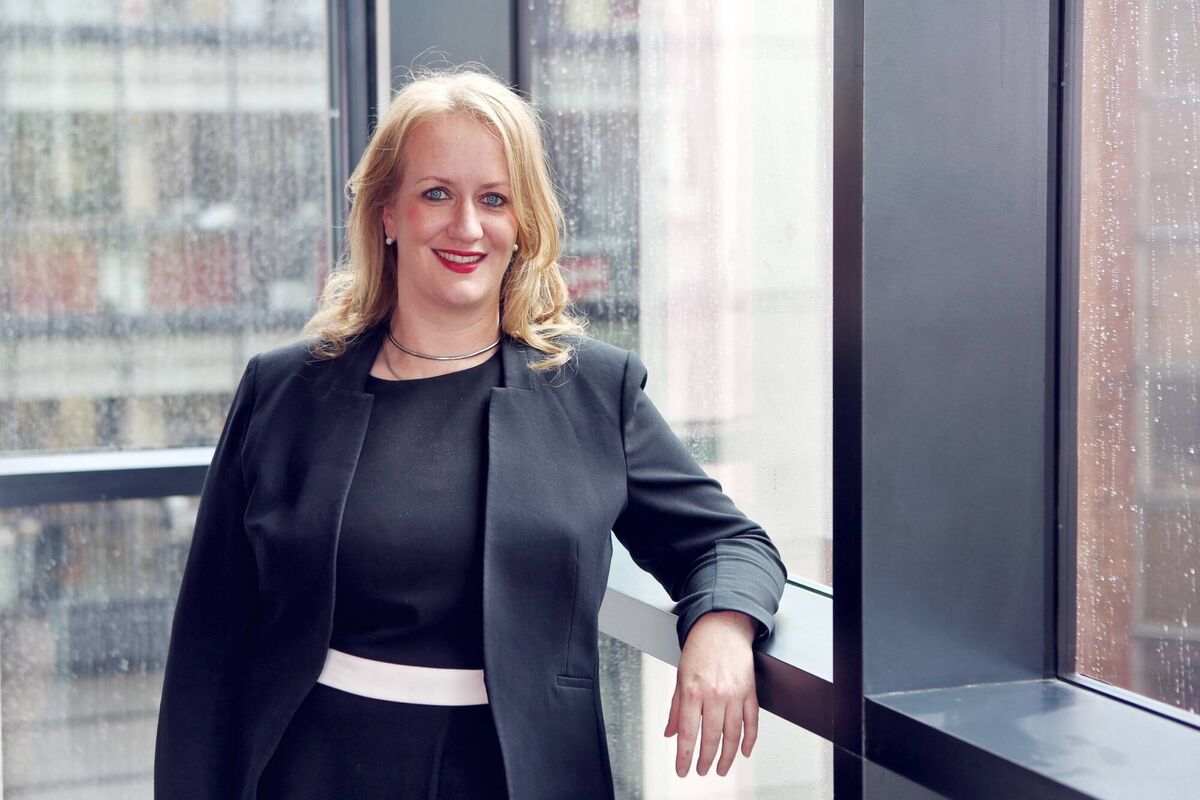
Trayc Keevans, global FDI director at Morgan McKinley Ireland, said: “The most striking finding is how few employers are fully prepared for changes that are already influencing recruitment and employee expectations.
"Publishing salary ranges is only part of the challenge. Businesses must also be able to explain how pay is determined, ensure comparable roles are rewarded consistently and provide clear routes for salary progression.
“For Irish employers, the immediate priority is to review pay structures, benchmark salaries against the market and identify any unjustified discrepancies. Being upfront about remuneration during recruitment will also help attract candidates whose expectations match the role, reducing unnecessary negotiations and improving the hiring process."
More than two-thirds (68%) of employees internationally believe pay transparency can help close gender and diversity pay gaps, rising to 71% in Ireland.
While employees said they strongly favour transparency, almost half (49%) of employers surveyed said they were concerned that greater visibility will prompt internal pay equity disputes.
If workers discovered their employer advertising their current role at a higher salary, 52% would raise the issue with their manager and 49% would seek a formal pay review. Almost half (48%) would also reconsider remaining with their employer.
“Greater transparency also gives employers an opportunity to strengthen relationships with existing staff. Clear progression criteria, regular salary reviews, and managers who can confidently explain pay decisions will be essential. Businesses that address these issues now will be better prepared for the new requirements and better positioned to attract and retain talent.”

BLACK FRIDAY
Already a subscriber? Sign in

CONNECT WITH US TODAY



Be the first to know the latest news and updates