'Pause before you pay': Top tips for consumers to avoid falling for shopping scams
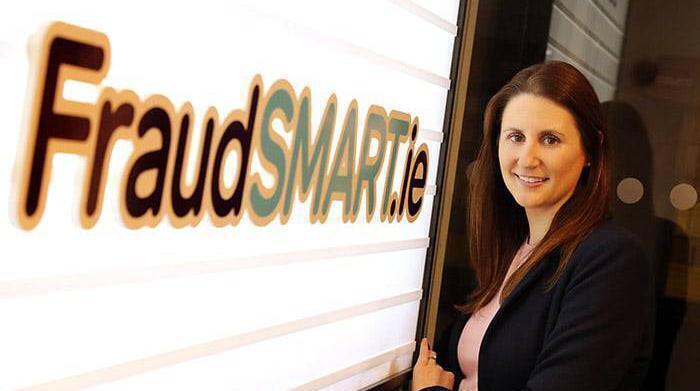
Niamh Davenport of FraudSmart.ie told consumers that 'taking a little extra time before making a payment or sharing personal information can help you avoid getting caught out'.
One in eight people have lost money through an online shopping scam, according to a survey issued by the Banking & Payments Federation Ireland (BPFI).
The rate rose to one in five among those aged 18 to 34, in the nationally representative survey of 1,000 people conducted by Amárach Research this month for BPFI's fraud awareness initiative.
Almost half (48%) of those surveyed encountered a suspect scam over the past year. Social media is the most commonly reported place for encountering suspected scams, at 51%, followed by text messages at 39% and email at 34%.
The research found the vast majority (94%) of adults in Ireland now shop online, with 60% of consumers expected to shop online in the Black Friday or Cyber Monday sales.
“During one of the busiest shopping periods of the year, we are urging consumers to stay alert as fraudsters look to exploit the pre-Christmas rush," said Niamh Davenport, head of financial crime at BPFI.
Read More
"Links in emails, social media posts and online adverts can direct shoppers to fake websites designed to look like familiar retailers or brands while promises of discounted deals can make these sites very appealing.”
BPFI's FraudSMART initiative aims to raise consumer and business awareness of the latest financial fraud activity and trends and provide advice on how best they can protect themselves. It has developed Scamchecker.ie to enable consumers to check the legitimacy of websites and links before making a purchase online.
“There are encouraging signs of awareness in relation to shopping safely in the research, with 89% of online shoppers saying they go directly to retailers’ websites and 86% checking reviews," noted Ms Davenport.
Riskier online behaviours were more common among younger shoppers; 57% of 18- to 24-year-olds said they shopped with unfamiliar retailers in search of bargains or hard-to-find items. Over 60% of people aged 25 to 34 clicked on social media links or adverts.
A third of those surveyed said they used the Scamchecker.ie tool, which Ms Davenport described as "encouraging".
“Our message to shoppers this Christmas is simple — pause before you pay. Whether you are buying from a familiar retailer or trying somewhere new, do not let an offer persuade you to skip the checks you would normally make.
"Taking a little extra time before making a payment or sharing personal information can help you avoid getting caught out,” Ms Davenport concluded.
- Pause before acting on a bargain. Be wary of deals that seem too good to be true and do not let pressure to buy stop you from checking an offer.
- Check who you are buying from. Stick to retailers you know and trust and check unfamiliar sellers independently before making a purchase.
- Go directly to the retailer’s website. Type the address into your browser rather than clicking on links in social media posts, adverts, emails or text messages.
- Avoid public Wi-Fi when making payments. Use your own mobile data or a trusted personal network instead.
- Make Scamchecker.ie part of your checks. Use it to help check a website or link before buying, alongside other online shopping precautions.
CONNECT WITH US TODAY



Be the first to know the latest news and updates