Oura Ring 5 review: Is the smaller, sleeker design worth the upgrade?

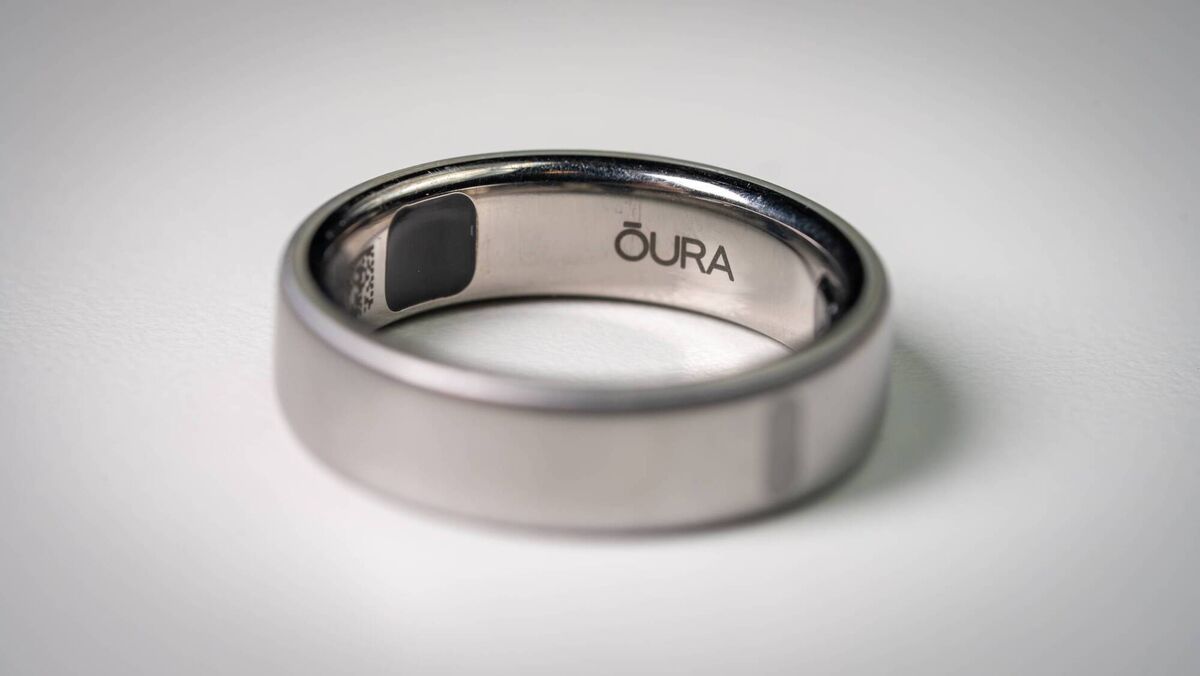
The Oura Ring 5 features a much more compact profile, appearing roughly 40% smaller than the previous Ring 4 model. Picture: Oura
For many people, wearable devices are a bit of a love-hate relationship. While you may love the data, a smartwatch can be a constant source of distraction. I get to test smartwatches all the time and enjoy the experience, but they’re not for everyone. Some people don’t want a screen strapped to their wrist, constantly demanding their attention. A good alternative is a smart ring, which offers a set-and-forget experience, while still providing deep health insights without the digital noise. A ring can sit quietly on your finger, collecting data as you go about your day.
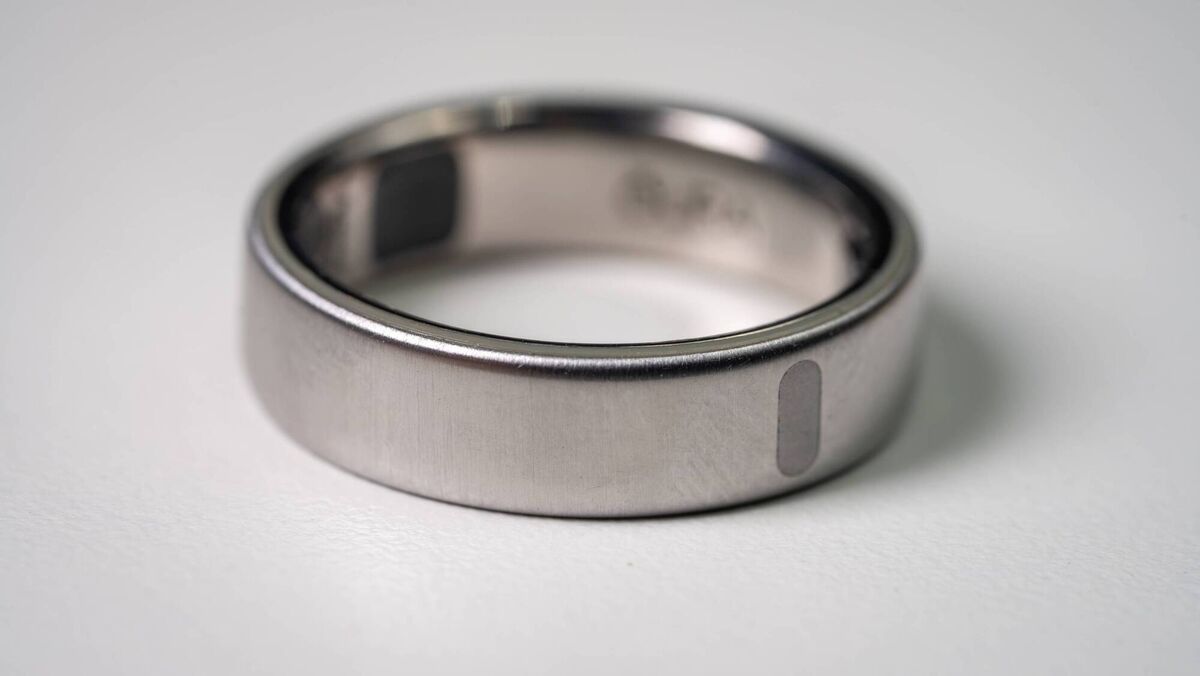
The most immediate difference between my old Oura Ring 4 and the Ring 5 is the sheer physical size. Oura has made it about 40% smaller than its predecessor. Although I loved wearing the Ring 4, its size meant I always felt like I was wearing a smart ring. I was frequently asked, "Is that a smart ring?" It was a minor but constant annoyance that broke the illusion of it being a normal ring. With the Ring 5, I have not been asked once if it is a smart ring. It simply looks like a piece of jewellery. I think this is one of the primary reasons to choose Oura over other competitors. It provides the data you need without announcing to the world that you are tracking your every move.
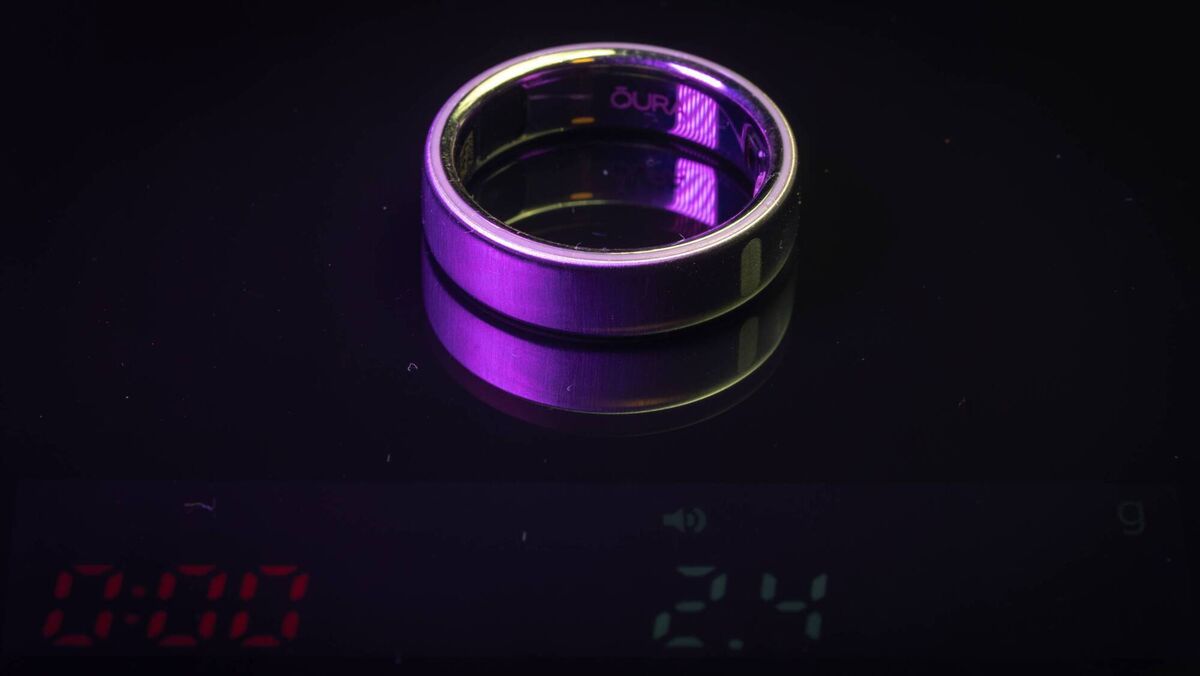
I opted for the brushed silver finish, and it’s stunning. It also hasn’t shown any signs of wear after three months of constant, twenty-four-hour wear. My previous Oura Ring 4 was the gold version, and frankly, it did not wear well. It looked beat up and lost its lustre after months of constant wear.
Oura Ring 5 is available in gold, silver, deep rose, stealth, and brushed silver finishes, all using a high-performance titanium exterior with a seamless titanium interior. The smallest size 6 weighs 2g. My size 10 is 2.4g, which is significantly lighter than my size 14 Ring 4 that weighed 5g.
Since you’re wearing this 24/7, that smooth, bump-free inner surface is ideal for long-term comfort. It also has an IP68 rating for dust and water resistance and is waterproof to a depth of up to 100 meters, so you don't have to take it off to shower, swim, or sweat.
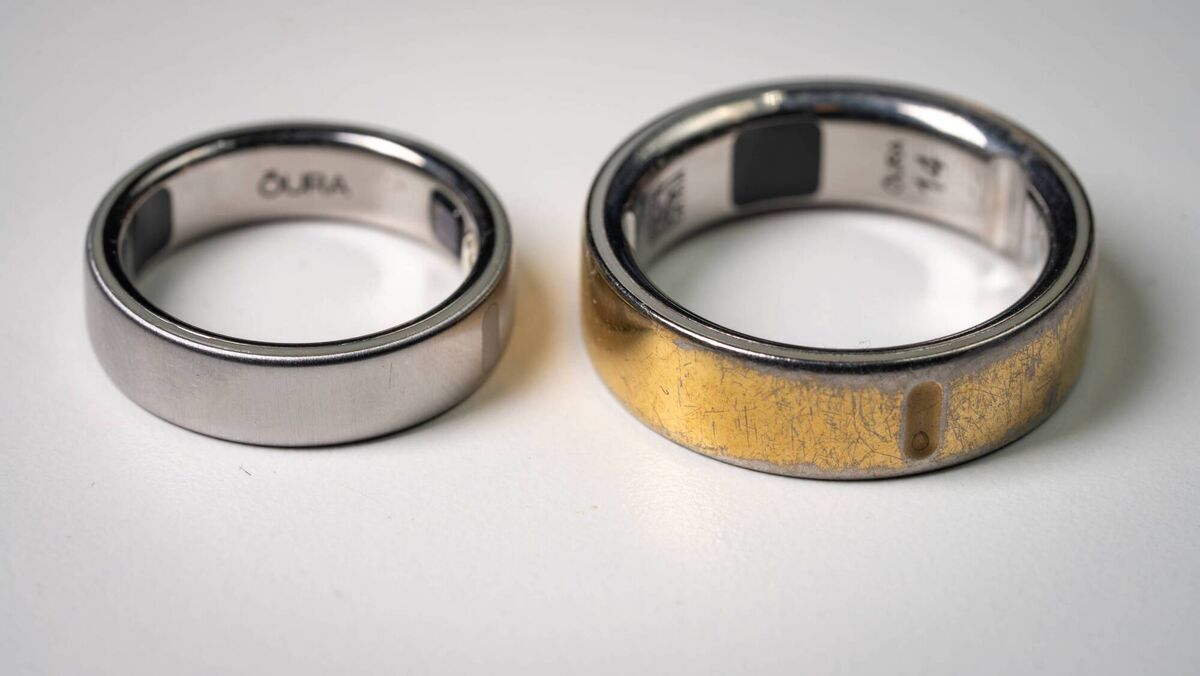
There’s a slight catch with the new range. Oura has dropped the smaller size 5 and larger sizes, specifically the 14 and 15. For some users, this is a real drawback. I previously wore a size 14 on my index finger, but even the largest size available in the Ring 5 (size 13) was far too small for that finger. Oura say the sizes are slightly different between the Ring 4 and 5, so you need to get the sizing kit to make sure you get the size that fits you best.
After testing various sizes on different fingers, I eventually settled on a size 10. This worked out well for me as it’s a direct replacement for my wedding finger. However, if you are upgrading from a Ring 4, you may face the same dilemma and have to change which finger you wear it on.
While the hardware has seen a massive leap in comfort for me, the software is why Oura stays ahead of the game. The app is intuitive and offers deep insights. You can glance at your key metrics for a quick overview, or dive deep into specific data points if you want to better understand your body.
The main reason I’d pick up the Oura Ring 5 is the sleep tracking. It feels much more natural than other wearables because you eventually forget it's there. I found the sleep analysis was very close to my Apple Watch Ultra, which I’ve always relied on for its precision.
Every morning, the first thing I check is my Sleep Score. It’s a pretty holistic metric; rather than just looking at how long you were in bed, Oura calculates your score based on total sleep time, Heart Rate Variability (HRV), nighttime movement, and overall sleep regularity.
Once you dive into the app, you get a granular breakdown of your sleep stages, specifically how much time you spent in Deep, REM, and Light sleep. It’s incredibly helpful for identifying why you might feel groggy even if you slept for eight hours.
Oura can flag potential breathing disturbances or irregularities in your nighttime breathing patterns. It’s not a medical device, but it’s a powerful way to catch trends you might otherwise miss.
The Bedtime Guidance feature actually nudges you to start winding down at the right time, helping you stay on top of your sleep quality before you even hit the pillow.
The company has gone to great lengths to validate its accuracy, with heart rate, HRV, and sleep-staging metrics tested against gold-standard laboratory measurements in several peer-reviewed studies. Because the ring maintains continuous contact with the finger, it captures a much cleaner signal than many wrist-based wearables.
It also includes stress tracking and a symptom radar, which can flag when your body is starting to struggle before you even feel the physical symptoms of being unwell.
Women's health features include updates to cycle insights and the new menopause insights. They use structured questions about sleep, mood, and cognition to track changes over time.
The passive workout tracking detects activity automatically. While it occasionally makes mistakes, it’s a helpful feature for those who want a tracker that works quietly in the background.
I play acoustic guitar several times a day, and the Ring 5 can detect that I’m playing a musical instrument. I appreciate that playing guitar, especially fingerpicking, isn’t exactly a workout, but I like that it can track it. Sometimes it detects my guitar playing as something else, but you can edit the activity and change it to what you were actually doing.
You can also start a workout manually, but keep in mind that if you want to track a run or a cycle, you’ll need to bring a smartphone since the Ring 5 doesn’t have built-in GPS hardware.
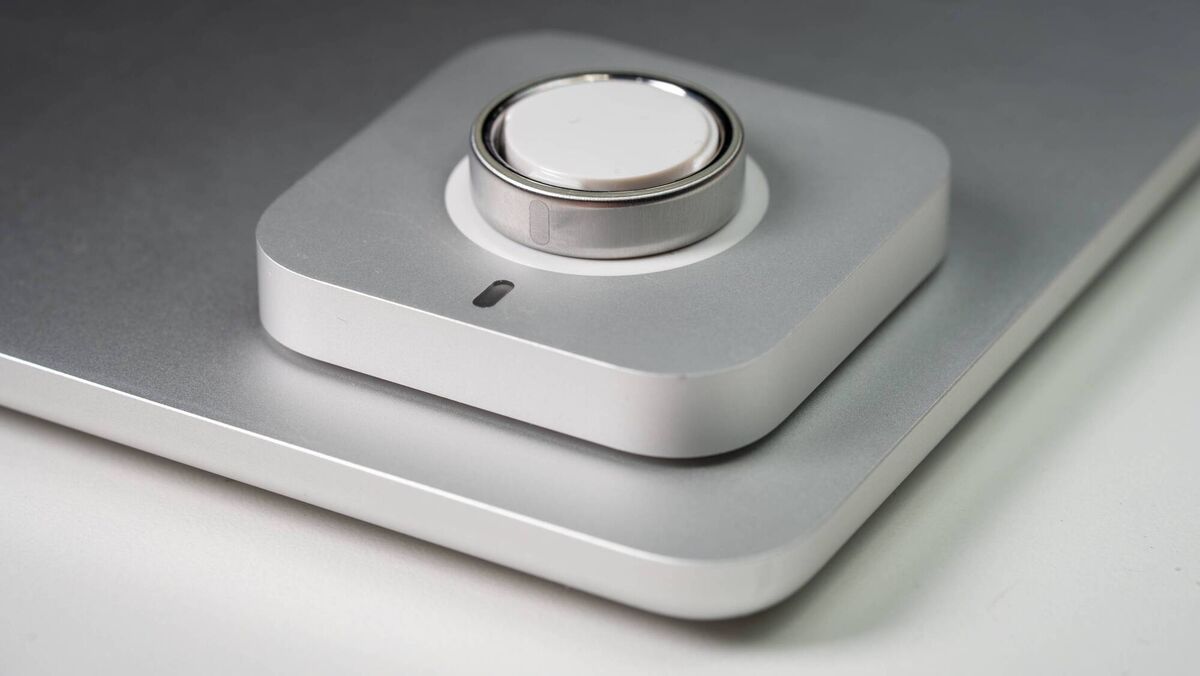
Because there’s no screen to power, you get 6-9 days of battery life. Even though the Ring 5 is smaller, the battery performance remains consistent with the previous generation.
If there’s a downside to the current Oura experience, it is the proprietary charger, which is specific to your ring size. It comes with a detachable USB-C cable, but the charger is so small, I regularly misplace it.
Oura relies on a subscription model to unlock its full potential. Without an active subscription, you aren't left with nothing, because you’ll still see your Readiness, Sleep, and Activity scores, as well as your basic step count and heart rate data. However, the deep insights are locked behind a paywall.
To get granular sleep-stage breakdowns, long-term trend analysis, and personalised wellness guidance (like stress and recovery coaching), you'll need to subscribe. It’s priced reasonably at €5.99 a month or €69.99 annually. While you can bypass the app's limitations by exporting raw data as spreadsheets from the web interface, the day-to-day user experience is much more robust with the subscription. You do get the first month free to test the waters, but there’s no option to pay once and be done with it for life.
I was struck by how much tech they managed to squeeze into the Oura Ring 5. Even the smallest model weighs just 2g, yet it still houses a full sensor array and a battery. While losing certain sizes might put some off, the improved comfort and incredible durability make it a significant upgrade. It’s the best option for anyone who wants deep health data without the distraction of a screen. If you're thinking about buying one, get the sizing kit first. You'll want to wear the dummy ring for a bit to confirm the size before you spend the money.
From €429 at Harvey Norman or Currys

BLACK FRIDAY
Already a subscriber? Sign in

CONNECT WITH US TODAY



Be the first to know the latest news and updates