Irish consumers 'bombarded' with scams from financial fraudsters
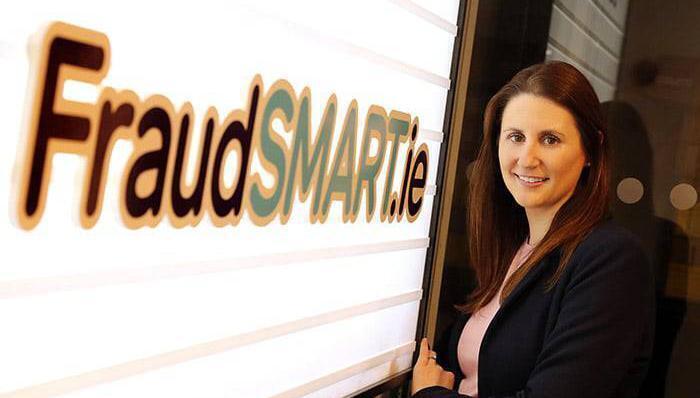
Niamh Davenport, Head of Financial Crime, BPFI. The overwhelming majority of Irish adults (85%) receive scam calls, texts, or emails at least once a month, the latest report on fraud awareness by the Banking & Payments Federation of Ireland said.
The overwhelming majority of Irish adults (85%) receive scam calls, texts, or emails at least once a month, the latest report on fraud awareness by the Banking & Payments Federation of Ireland said.
Scams are increasingly an unwelcome part of everyday life for consumers, according to the latest research of FraudSMART. More than half (51%) of Irish adults also believed they encountered more suspicious communications than last year, with fraudsters using social engineering tactics to build trust and trick people into transferring money or sharing personal or financial details.
Read More
Consumers most commonly encountered suspicious activity through mobile phone calls (61%), text messages (58%), and emails (51%).
One in 10 reported clicking on a link in a text or email before realising it was suspicious. The most common red flag for emails was an unknown sender (39%) followed closely by poorly written content (36%), and unexpected emails (32%).
One in four reported being suspicious of mobile phone calls, texts, or emails because the communication appeared computer-generated or artificial (AI).
Protective measures More than half of those who said they received suspicious mobile phone calls said they ignored the calls (55%), with 62% saying they blocked the number. Similarly, 65% of those who said they received suspicious texts deleted the texts while 55% blocked the number.
Two-thirds (66%) of those who received suspicious emails reported ignoring or deleting them, although less than half (44%) reported blocking a suspicious email address. Only 15% checked to see if the company or website referred to in a text or email was legitimate.
Niamh Davenport, Head of Financial Crime, BPFI warned it is becoming increasingly difficult to distinguish between genuine and fraudulent communications. "Fraudsters can impersonate trusted brands, while advances in AI are making it easier to create convincing content at scale. Through our FraudSMART awareness campaign, See the Scam behind the Screen, we want to encourage people to pause, question unexpected contact and look beyond how professional or familiar something appears before clicking, sharing information or taking action.”

CONNECT WITH US TODAY



Be the first to know the latest news and updates