Ireland is hooked on fitness, but can the gym boom survive rising costs?
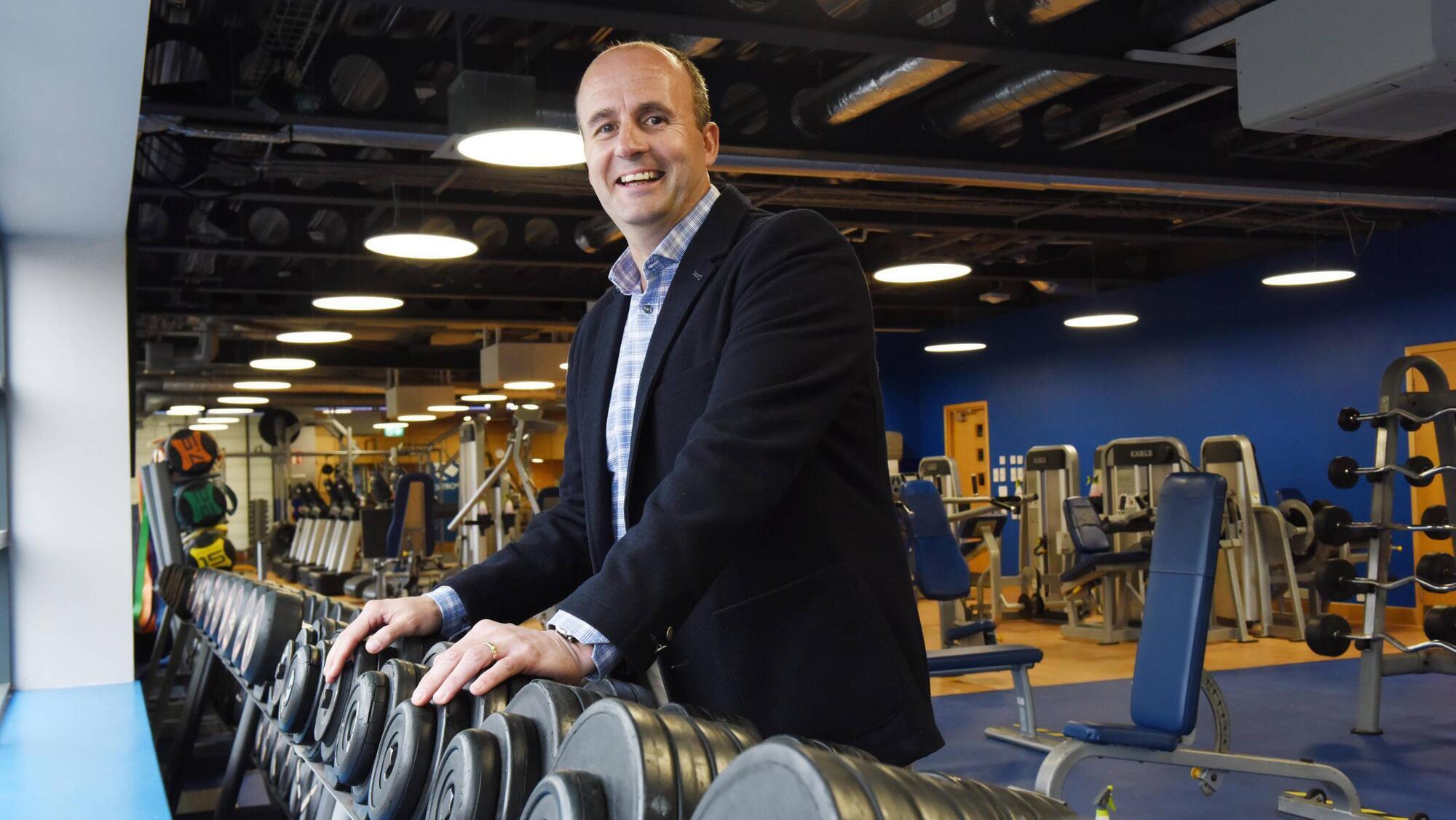
Karl Dunne, CEO of Ireland Active, the national association for the leisure, health and fitness sector. Picture: Moya Nolan
Ireland is in the midst of an exercise boom. You may have noticed. Or you may have been too busy doing your reps to pay heed.
Personal fitness is big business. Ireland's Fittest Family returns to TV screens next month for a 14th season but, increasingly, Irish people are getting moving even if they don't have Davy Fitzgerald, Donncha O'Callaghan, or Anna Geary roaring them on.
Over 2.12m people take part in physical activity every week, and the most popular sport in Ireland, according to Sport Ireland’s Irish Sports Monitor report, is personal exercise, now practised by one in five adults, and growing.
Read More
In such a climate, there was surprise this week with the news that F45 Elysian, the 3,150 sq ft fitness centre based at the landmark building in Cork city, was closing its doors. F45 Elysian’s directors Paul Buckley and former Munster and Ireland rugby star Peter Stringer said their company that operated the gym, Brisbane Fitness Investment Company Limited, was unable to continue trading and would be placed into voluntary liquidation, four years after its opening.
“This was not the outcome we had hoped for, and we are very sorry for any inconvenience this causes," the directors wrote. F45 Elysian is one of a number of F45 franchises in Ireland with other franchises unaffected by the Cork closure.
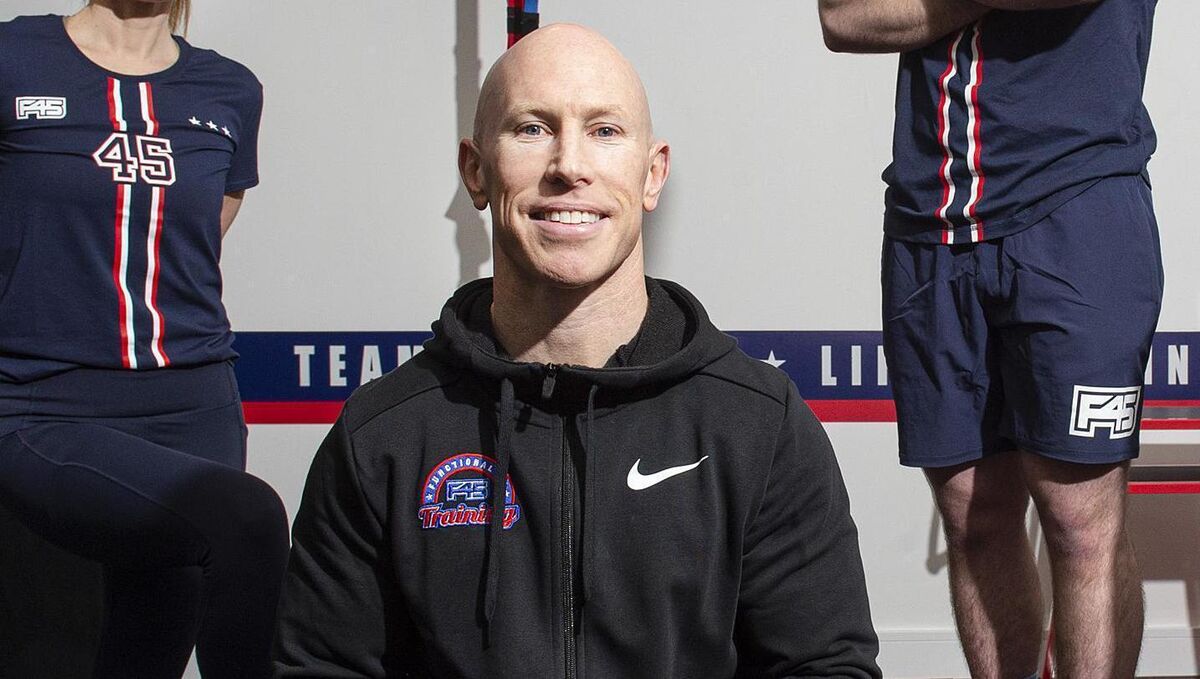
Globally, F45 has navigated troubled waters over the past five years. It was the world’s fastest growing fitness franchise five years ago and saw a high profile IPO in 2021, before values tumbled and the firm delisted from the New York Stock Exchange two years after going public. It remains a serious player, with 1,500 studios in more than 55 countries, and four franchises operating successfully in Ireland.
But it seems F45 Elysian may have sunk amid a perfect costs storm.
James Anderson, Deloitte Ireland Turnaround & Restructuring partner, said the fitness and beauty accounted for 15 of the 219 insolvencies in the services sector in the first nine months of the year. “Businesses across sectors in Ireland are continuing to face challenges, with rising energy costs being a significant cost. The minimum wage was also raised in the recent Budget, which while important for minimum wage employees, it is also another rising cost for businesses which is further reducing margins.”
Recruitment and retention of staff is a sector-wide issue, with low starting wages a factor. Nevertheless, the bigger picture would suggest the Irish fitness industry is in rude health. UK giant PureGym will open its first operations in this country in 2027. The sector in Ireland employs 12,000 people and is worth €600m annually, according to says Karl Dunne, chief executive of Ireland Active, the national association for the leisure, health, and fitness sector. Ireland Active represents over 450 publicly and privately-owned leisure centres, gyms, pools, and providers nationwide.
“Demand for fitness is very strong but costs are increasingly challenging,” said Mr Dunne. "Energy costs are up significantly for everyone, and gyms are open longer than most. Gyms are open typically from 6am to 11pm at night so that means bigger energy costs.
“But I don’t believe the industry is saturated. The offering has certainly changed. There’s many different models and price points, from independent operators to massive operations more like a boutique hotel, where you could pay €200 a month for high end clientele, and have a personal trainer.
“There are more facilities and that has led to greater consumer choice. Cost-wise varies. The average price for a gym alone is probably around €30 to €45 a month. Obviously, the more you use it, the cheaper it is: divide it down and it less than a cup of coffee. But if you join a gym and use it twice a year, well then it's expensive.” F45 Elysian was in the mid to high range, with monthly fees in the region of €120 per month.
Active Ireland is funded through Sport Ireland and its remit includes running Garda vetting for member associations as well as upskilling professionals in the industry and operating the National Quality Standard (NQS) awards. Other training skills programmes, like cardiac fitness rehabilitation following British Association for Cardiovascular Prevention and Rehabilitation guidelines, are also offered to fitness providers.
The post covid climate saw the massive growth in gyms, as clients came out of isolation and exited the virtual fitness environment which had seen operators like fitness streamer Peloton peak. Sharing goals, and community – which was a strong part of F45 Elysian experience – among enthusiasts is a big part of the experience.
“Online classes aren’t really a big thing anymore. People want to be in the real environment. You get to know other people in a class; the same faces are there at the same times of day. You build up relationships in the gym.
One of the big things these days to spring up is Hyrox travel, travelling to Rome, Malaga, making a weekend of it.” In an industry of widespread growth, the biggest booming area is fitness racing, best known through the ‘Hyrox’ brand, founded in Germany and now a global player. Fitness racing involves running, mixed with stops to complete exercise tasks at designated stations. It has massive popularity in Ireland, and across the globe.
“Fitness racing is exploding. I have no doubt that it will become an Olympic sport in the next few years,” predicts Karl Dunne.
Irish entrepreneur Brian Lee grasped the Hyrox trend and founded his own fitness racing brand, Tryka. Mr Lee was co-founder of the Freshly Chopped franchise in 2012, which was sold to private equity firm KnightBridge Group in 2024.
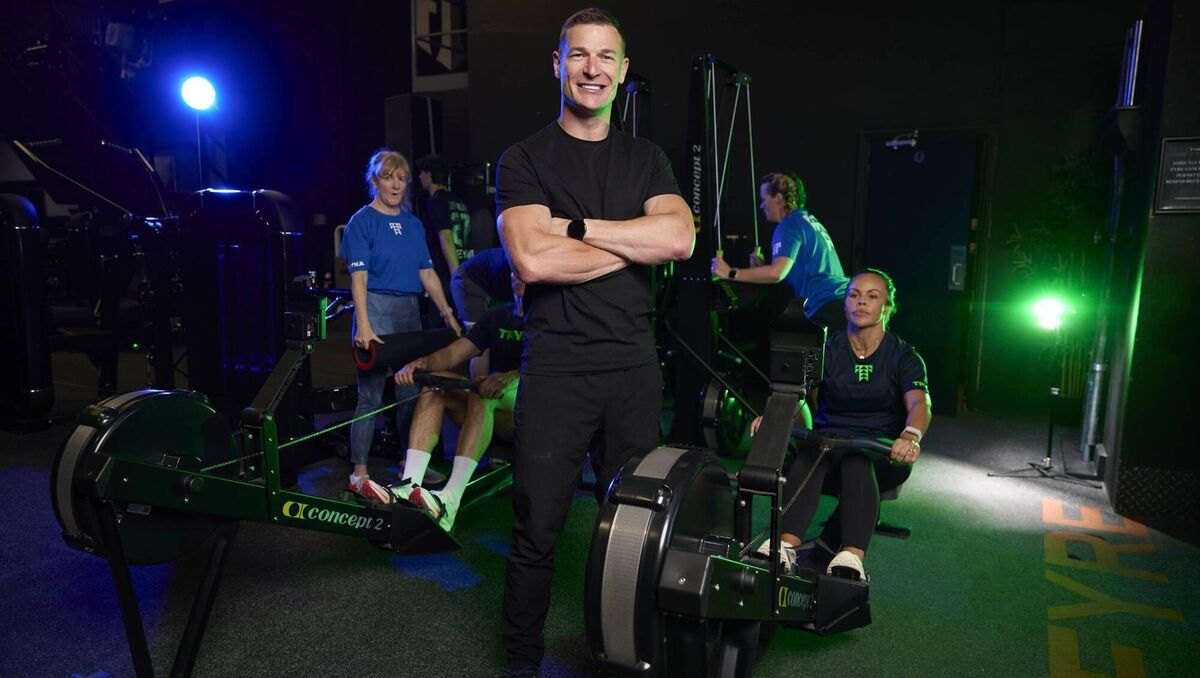
Last year, Mr Lee founded Tryka, Ireland’s first hybrid fitness race league. Since its first race in October 2025, more than 50,000 people have participated across six events, including four sold-out races in Ireland and two international events in London and Lisbon.
“More than 600 gyms in Ireland are now registered with Tryka and we’re continuing to grow our gym network internationally, where we’ve seen huge demand,” Mr Lee told the Examiner. “Following London and Lisbon this year, we already have confirmed events in Birmingham and Madrid in 2027, as we continue to bring Tryka to new cities and communities.” The second series runs at the RDS in Dublin from Friday October 30 to Sunday November 1, with 10,000 participants across three days and 10,000 supporters expected.
Tryka has managed to cross into the workplace, too, with a corporate league attracting teams from across the business space, including EY, Allianz, Microsoft, CPL, and Three Ireland.
"Companies are using Tryka as a platform to promote wellbeing, teamwork, and healthy competition among employees, while giving colleagues a shared goal to train for, compete in and celebrate together,” said Mr Lee. Plans are afoot for schools leagues next year.
A Cork fitness app has also captured new business based on the fitness racing boom. Revelate Fitness was created by Chris Kenefick, the co-founder of Obodo Gym on South Douglas Road in Cork. The Revelate Fitness app uses existing cardio machines in gyms like rowers, bikes, and ski machines to give users tailored workouts and targets.
Revelate saw its gym network increase from 10 to 30 locations over the past 18 months. Beyond gyms, the company is rolling out a platform designed to support large-scale Hyrox-style fitness racing events, allowing organisers automatically count reps through motion capture and record results during competitions, reducing the need for manual judging.
The system was used in high-profile events like Tryka at the RDS in Dublin and at the Metrix fitness race in London which had 3,000 competitors.
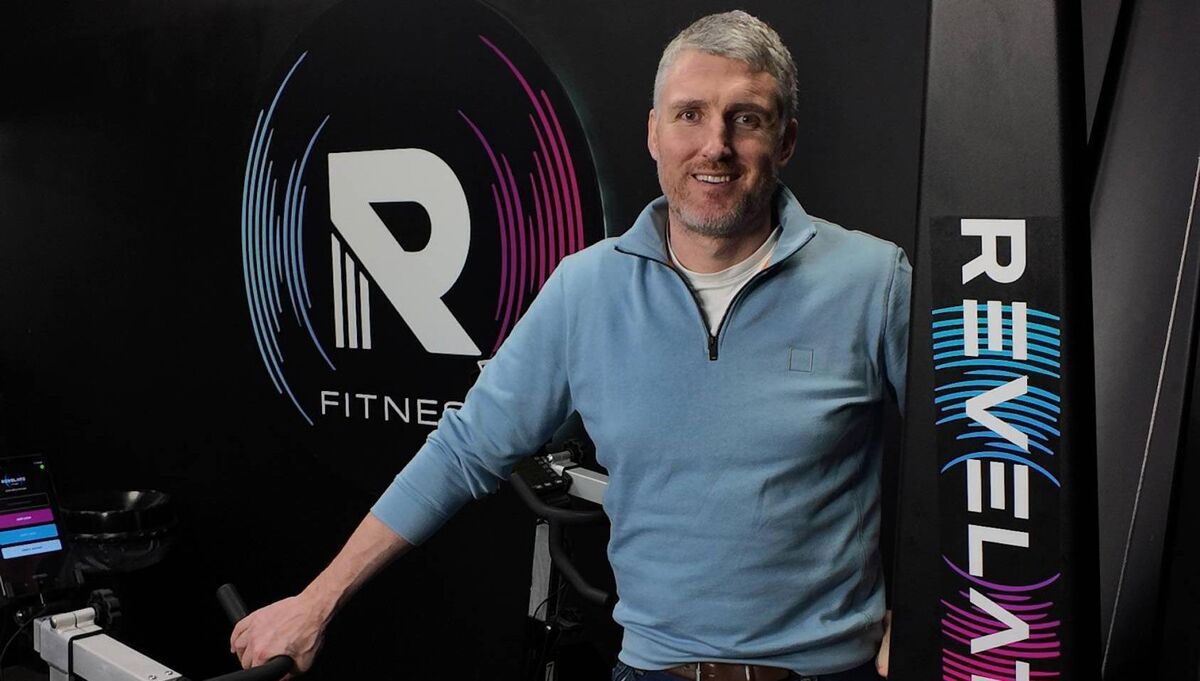
“Many events still depend on large teams of volunteers to count reps and enforce movement standards. Our system replaces that manual process, helping organisers deliver more consistent standards, instant scoring and faster results,” said Mr Kennefick. Revelate is now working with more than 20 racing companies worldwide as demand grows for more data-driven competition formats.
Meanwhile opportunity is emerging across the industry from a new user group through changing dietary and lifestyle trends. Weight loss drugs – like Ozempic and Wegovy from Novo, and Mounjaro and Zepbound from Eli Lilly - have seen unprecedented growth in recent years. In May, Eli Lilly chief executive Dave Ricks said that about 1,000 new patients a day were starting to use Foundayo, its oral weight loss pill.
Studies in the US place the proportion of lean mass in total weight loss at between 15% and 40%, and strength training is usually recommended to patients while using the drugs. Active Ireland is already developing a training course which will develop programmes for fitness professionals to offer to users of these GLP-1 drugs.
More than 6,600 patients are already approved for long-term use of the Novo drug Saxenda, according to Ireland's National Centre for Pharmacoeconomics, while the HSE confirmed this month it is continuing discussions regarding approval for other mediations.
Barriers to participation in fitness are falling, but cost remains a big one. Even with the array of offerings, spending €30 a month and upwards on a gym membership is a big consideration during a cost of living crisis.
The private gym sector receives a reduced rate of VAT of 9% on membership fees and the coaltion's Programme for Government in 2025 committed to exploring tax breaks for gyms. However, the Government’s Tax Strategy Group advised that further tax reliefs for gyms would have an additional Exchequer cost in the order of €65m. It also said there would be “a large deadweight cost element to the introduction of the tax relief” as it would merely benefit those who are already members of gyms as well as new members.
Active Ireland reiterated calls for tax reliefs in Budget 2027 earlier this month, which were rebuked by Tánaiste and finance minister Simon Harris. Mr Dunne said a poll by Red C on behalf of Active Ireland found 28% of respondents who do not currently have gym membership said they would be likely to take out a gym membership if there was a personal tax credit.
“I think the Red C research clearly shows that it is not just existing gym members who would benefit. We were very disappointed that the Government has not followed through on this,” said Mr Dunne.
A 2023 OECD and World Health Organisation report which showed investment in physical activity creating a positive effect for the economy, returning €1.7 in economic benefits for every €1 invested. Ireland’s National Physical Activity Framework 2024–2040 sets out Ireland’s ambitious vision to become the most physically active population in Europe by 2040.
Budget 2027 is signed off but Mr Dunne said discussions are already taking place regarding revisiting proposals for a medical tax relief for gym and pool membership. He urged the Government to reexamine the proposal. “This would be a positive step towards making physical activity more affordable and encouraging greater participation. We need to look at this as beyond people just going to the gym. This is not just something which would help the industry. Over a 15-year period, it would also benefit Physical activity is so important to the nation. This is an investment in healthcare.”
A collection of the latest business articles and business analysis from Cork.
CONNECT WITH US TODAY



Be the first to know the latest news and updates