Mortgage arrears fall to lowest level on record as families brace for higher interest rates
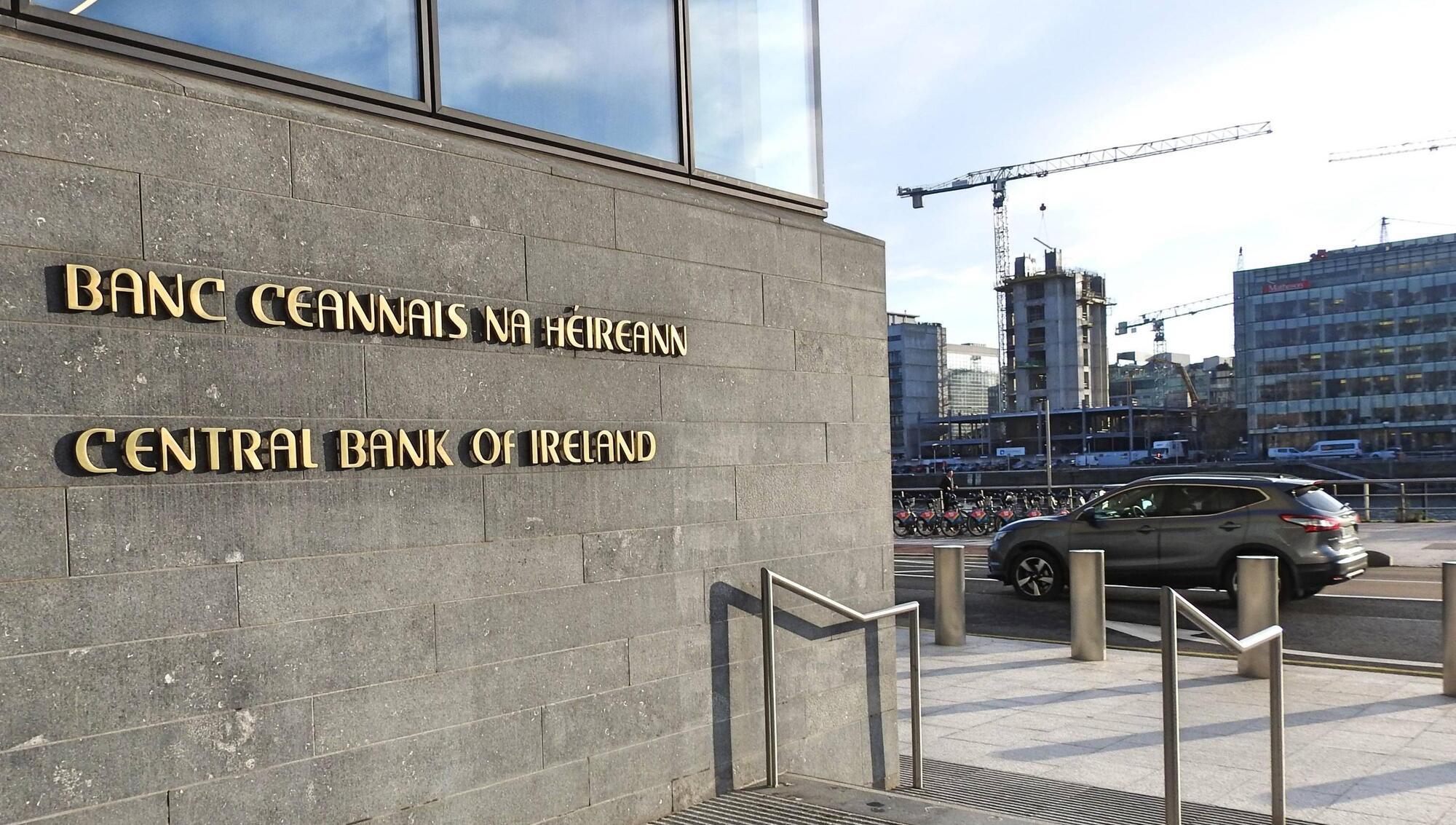
The Central Bank data shows that accounts in long-term arrears, defined as over one year, had an outstanding balance of €3.7bn. Picture: iStock
The number of family home mortgages in long-term arrears has fallen to 15,543, a decline of almost 14% in a year and remains at the lowest level on record.
According to new figures from the Central Bank, accounts in long-term arrears, defined as over one year, had an outstanding balance of €3.7bn.
Mortgage accounts in arrears for more than 90 days also fell, down 14.3% to 21,081. Early arrears of less than 90 days dropped sharply over the quarter, down more than 10% to 12,315 accounts.
The Central Bank's data shows there are just under 700,000 residential mortgage accounts in Ireland, with a total outstanding balance of €111bn. Non-bank lenders have just over 100,000 mortgage accounts while the pillar banks account for the remainder.
The figures show a concentration of deep arrears among loans held outside the retail banks. Non-bank entities, including funds that acquired mortgage books following the financial crisis, hold 104,344 mortgages. Yet they account for 15,854 of the accounts more than 90 days in arrears, roughly three-quarters of the total, and 12,959 of those in arrears for over a year, or 83%.
Read More
While overall arrears are falling, the number of accounts in legal process before the courts stood at 5,068, up 315 or 6.63% on the year, suggesting the remaining cases in long-term arrears are increasingly ending in litigation rather than resolution.
The Central Bank also tracks mortgage data in the buy-to-let market and said the overall mortgage market in that sector is shrinking. Total buy-to-let mortgage accounts fell by 5,635 over the year, a drop of 11.19%, leaving 44,729 outstanding.
Arrears of more than 90 days in the sector fell 9.6% to 4,461 accounts, broadly in line with the contraction in the overall book, indicating that much of the improvement reflects landlords exiting the market rather than borrowers returning to full repayment.
The overall drop in mortgage arrears comes as interest rates are set to increase in the short to medium term.
Separate Central Bank data from earlier this month shows the average interest rate on new Irish mortgage agreements at the end of July was 3.48%, down one basis point from June and down 12 basis points annually.
By contrast, the euro area average has increased by 24 basis points over the past year to 3.54%.
Ireland now has the 11th-highest interest rates in the eurozone.
The average interest rate on fixed-rate mortgages was 3.44%, while the average variable rate stood at 4.11%.
Last week, the European Central Bank raised interest rates for the second time this year, seeking to quell an energy-driven rise in inflation triggered by the Iran war.
The 0.25% increase is likely to be followed by a further increase before the end of the year.
CONNECT WITH US TODAY



Be the first to know the latest news and updates