Our solar power model isn't working — there's a fairer way
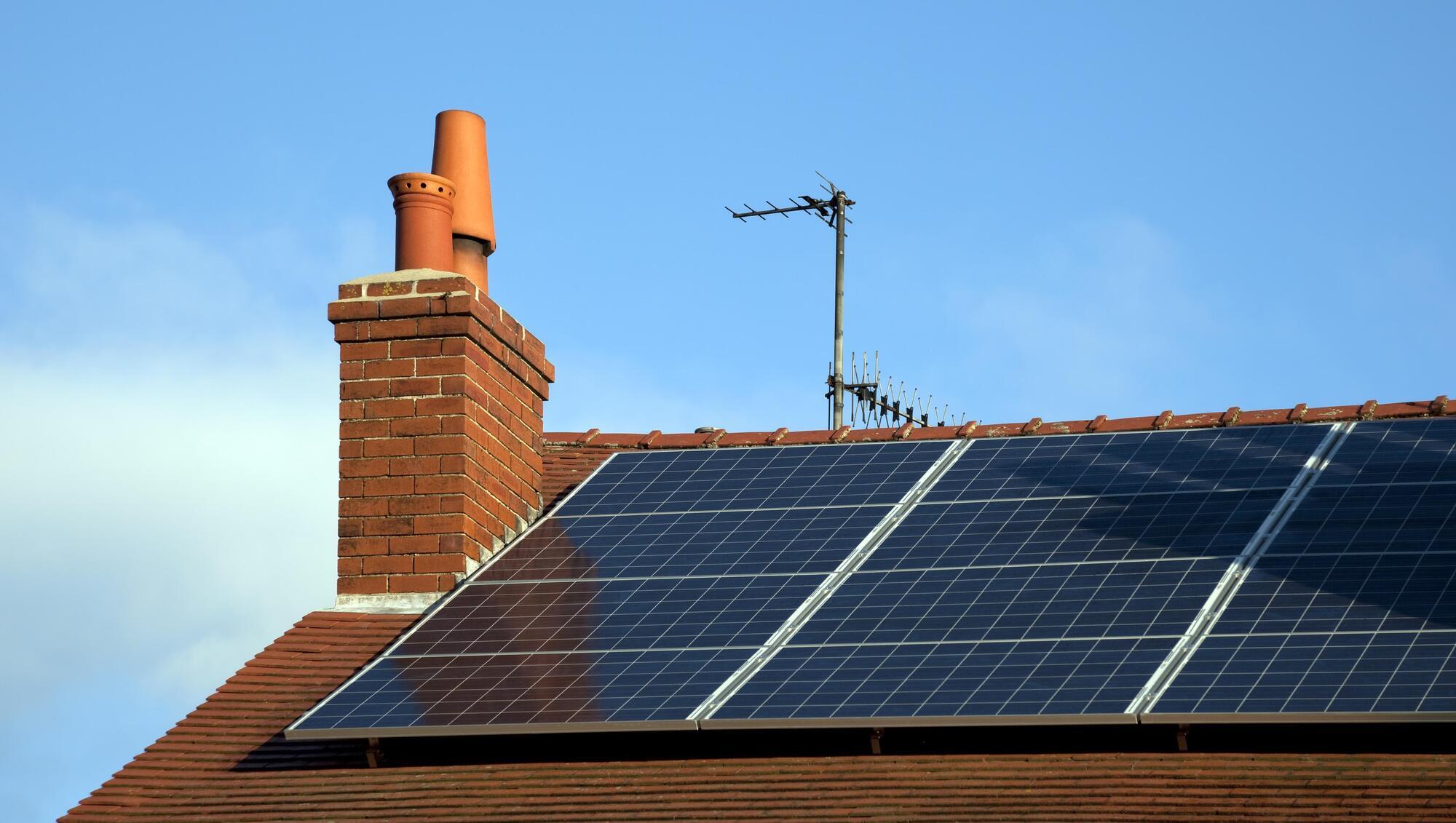
A standard residential solar installation in Ireland typically runs between €3,500 and €6,000, after grants and VAT savings. For a household already stretched, that's too much, even with a five- to seven-year payback on paper.
Imagine you wanted to buy a house but couldn't afford the deposit. You wouldn't just give up on having a home, you'd rent instead. In a lease-to-own model, over time those rent payments build toward something real. Eventually, the key turns and the house is yours. Apply that same thinking to solar panels and it could genuinely change how Ireland powers itself. So why isn't it catching on here?
Ireland's solar journey is a good news story. By the end of 2025, we had passed 2GW of installed solar capacity, with over 1GW of that coming from rooftops on more than 170,000 homes, farms, sports clubs and businesses.
By May 2025, solar was supplying 6.5% of the country's electricity. About 370,000 Irish homes have solar panels. The numbers are heading in the right direction.
Even with all of that, Ireland is wasting up to €2.7m worth of renewable energy every single night — an estimated €450m a year — because the grid doesn't have the storage to capture it. And at the very same time, more than 550,000 Irish households are living with the effects of energy poverty. Those two facts shouldn't be able to exist side by side. Yet here we are.
A standard residential solar installation in Ireland typically runs between €3,500 and €6,000, after grants and VAT savings. For a household already stretched, that's too much, even with a five- to seven-year payback on paper.
This is where the lease-to-own model, also called 'solar as a service', comes in. It's a bit like a phone contract — nobody pays €1,000 upfront for a smartphone any more. You pay a manageable monthly fee, you use the phone from day one, and eventually it's yours outright. Solar can work exactly the same way.
Read More
MySolar is already offering this in Ireland: zero upfront cost, a fixed monthly fee from as little as €29.50, guaranteed performance for up to 10 years, and full ownership at the end of the term. No loan. No grant paperwork headache. No gamble on where electricity prices go next.
On the commercial side, Pinergy has launched a €30m fund letting businesses access solar with no capital outlay at all, simply buying the electricity it produces at a fixed agreed rate. Power-purchase agreements, where a third party installs, owns and maintains the system and sells the power back at a discount, have been standard for large corporates and pharma for years.
The model works. It's just been stubbornly slow reaching the people who need it most: homeowners, renters in managed buildings, SMEs and communities.
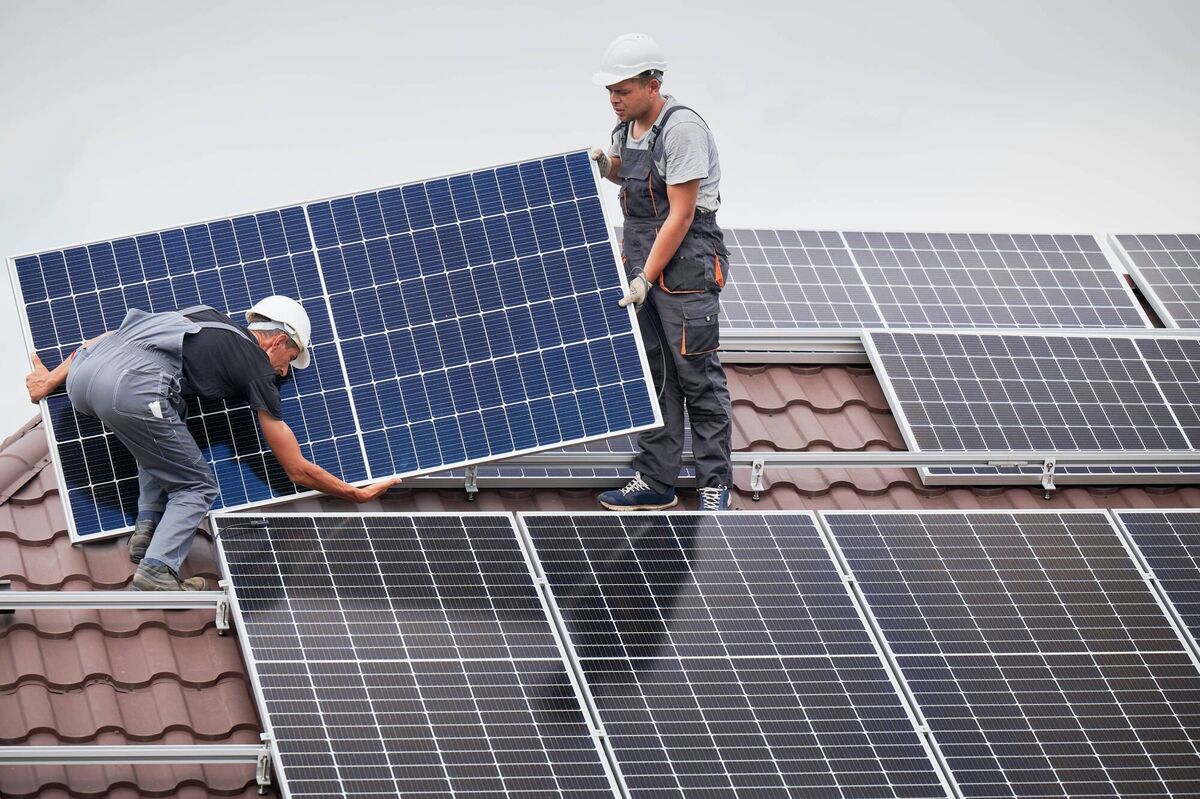
This works at scale in the UK already. The UK's Solar Together scheme, a group buying and financing initiative run in partnership between local councils and iChoosr, has helped more than 191,000 homeowners across the UK install solar PV and battery systems since 2015, through more than 200 council-backed schemes. It works because the council does the heavy lifting on trust and negotiation, and the household just has to say yes.
The UK generated 14.43 billion kWh of solar electricity in 2025 alone, and renewables overtook fossil fuels for the first time to supply 37% of UK electricity.
Germany has done this too, and it didn't lean on grants alone. Germany's Solarpaket 1 legislation, passed in 2024, made storage systems easier to operate and connect to the grid, while a temporary 0% VAT rate on home solar and battery systems, running through the end of 2026, cut the cost of going solar overnight without a single grant application.
What Ireland is missing is a funded, policy backed pathway that makes 'solar-as-a-service' the default offer for households who can't afford ownership today.
Bundling a battery into a solar lease is still the exception in Ireland rather than the rule, largely because storage remains the most expensive part of the system and insurance and planning treatment of batteries is still a grey area.
But the direction of travel is unmistakable. Global battery storage costs fell 27% year-on-year to a record low of $78 per megawatt hour in 2025, with BloombergNEF forecasting a further 25% drop by 2035.
Solar panel and battery prices already fell 22% and 25% respectively between 2020 and 2025. Lithium iron phosphate batteries — safer, longer-lasting and increasingly the standard choice for home storage — are expected to dominate the residential market through 2026.
Second-life EV batteries offer a genuinely circular and lower cost storage route that Irish innovators like Second Life Battery Services are already piloting. As battery costs keep falling and second-life supply grows from Ireland's expanding EV fleet, bundling storage into a lease-to-own solar package will stop being a premium add-on and start being the standard offer. That will make the whole proposition far more attractive for exactly the households this piece is arguing for.
This matters well beyond the electricity bill. Energy security, climate resilience and social equity are the same conversation. When Ireland can generate the renewable electricity and then wastes it for want of storage infrastructure, while still subsidising fossil fuels instead of redirecting that money to low-income solar access, we're failing on all three counts at once.
This isn't a uniquely Irish problem, but other countries have cracked it. Uruguay, with 3.5 million people, not unlike Ireland in scale, now generates 98% of its electricity from renewable sources. The architect of that transformation, former national energy director Ramón Méndez Galain, put it simply: "The key is not technology; it is institutions. Once the rules are fair and predictable, the system builds itself."
The Netherlands reached 3.5 solar panels per person, the highest rate ever recorded anywhere globally, largely by making the rules simple, predictable and financially accessible.
A SolarPower Europe study found families in Germany, Italy and Spain could save over €1,000 annually with rooftop solar. The EU's own Renewable Energy Directive explicitly requires member states to make renewable self-consumption accessible to low-income and vulnerable households.
The honest answer is a mix of poor awareness, clunky policy design and plain inertia. The SEAI grant scheme, capped at €1,800 and only available to homeowners in homes built before 2021, is well-intentioned but structurally skewed toward those who can already afford the balance.

There's no standalone battery storage grant for residential. Insurance and planning complications around battery installation remain a grey area. Apartment dwellers and renters are largely locked out.
The community Solar Meitheal model, pioneered by Sustainable Energy Communities around the country, is quietly brilliant, pooling local demand to negotiate competitive quotes and lower costs, but it still requires upfront capital from participants.
The lease-to-own solar model isn't a silver bullet. But it is a key. And right now it's sitting in the door, unused.
- Mary Teehan is co-founder of Circular Intelligence and is The Circular Economists Dublin Chapter lead

CONNECT WITH US TODAY



Be the first to know the latest news and updates