Bord Gáis Energy to raise electricity and gas prices by up to 10.6% from October
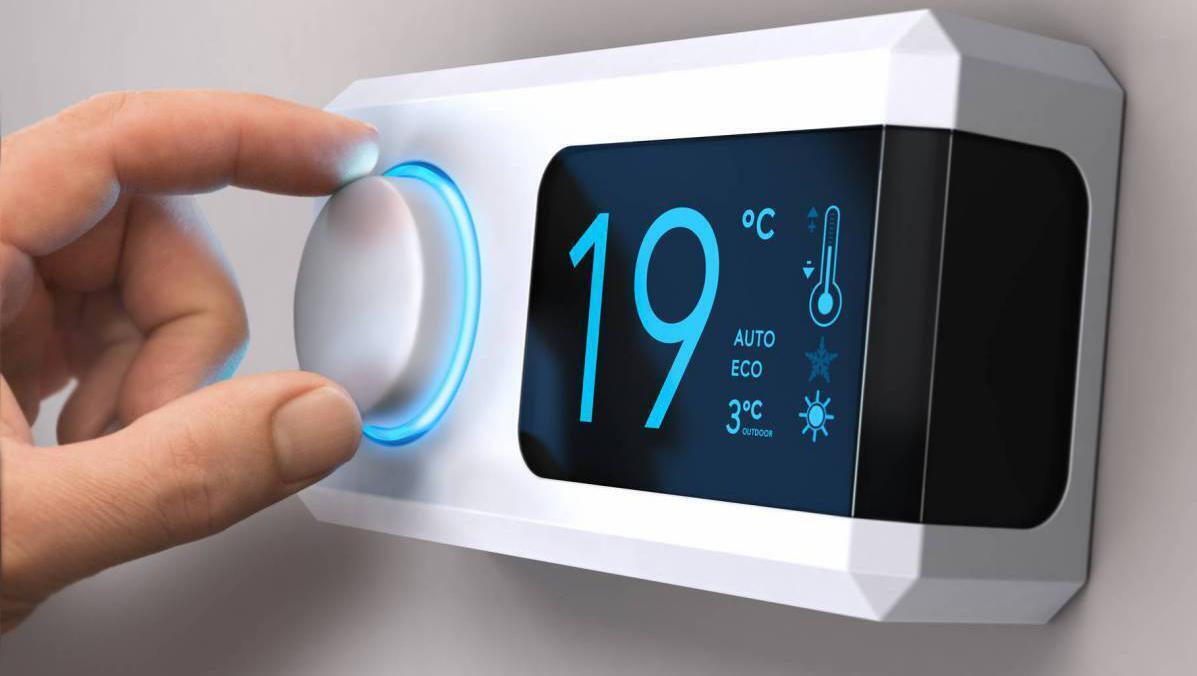
The increase, which will take effect on October 9, will add around €177 to the average household’s annual electricity bill and €140 to the average gas bill. Picture: iStock
Bord Gáis, Ireland’s biggest energy and gas provider, is set to raise its prices for electricity and gas.
The increase, which will take effect on October 9, will add around €177 to the average household’s annual electricity bill and €140 to the average gas bill.
The supplier will hike the unit rate of its gas by 10.6% and its daily standing charge by 7%.
The unit rate of its electricity will rise by 9.1% and its daily standing charge by 7.2%.
The price increases come amid higher energy prices exacerbated by continuing conflict in the Middle East.
It follows news that around 296,000 SSE Airtricity electricity and gas customers would see their prices increase from next week.
Wholesale gas prices have doubled compared with last year, while wholesale electricity costs for the past six months are up by around 30%.
“We recognise that this announcement will be unwelcome for customers and increasing prices is never a decision taken lightly,” said Catherine Lonergan, director of customer and commercial at Bord Gáis Energy.
“Global conflicts resulting in higher wholesale gas costs, together with rising network charges, mean a price increase is now necessary. This is our first gas price increase in four years, and we continue to offer the lowest gas standing charge in the market."
Read More
Head of communications at cost-comparison site Bonkers.ie Darragh Cassidy advised consumers to shop around for the most competitive rates.
He said the price increases will hurt many households squeezed by high energy prices.
“While the hikes that have been announced may not seem exceptionally high, they're coming on top of energy costs which are already at very high levels,” he said.
“Gas prices are already around 90% higher than they were four or five years ago while electricity prices are around 70% higher. So any further hikes to energy costs, however moderate, will hit many households hard.”
Mr Cassidy warned that Ireland’s existing reliance on fossil fuels that entail volatile pricing will be hard to move away from in the immediate to long term.
“While bringing more renewable energy onto the grid is the correct course of action, building a modern grid which can properly accommodate, transport, and then store this energy is difficult and expensive and will even add to bills in the short term.
"But the Government could also do more. I would call on it to reduce the rate of VAT on energy bills further and to consider pausing another hike in the carbon tax."
Calls to introduce energy rebates and measures to ease pressure on consumers during the cost-of-living crisis have been made ahead of the Government’s budget rollout in October.
Taoiseach Micheál Martin has dampened hopes of consumers receiving energy credits amid rising bills.
"Every time you do a one-off payment, if you have a billion or two billion (euro) in one-off payments, you're reducing your capacity to deal more substantively with issues that matter to people on an ongoing basis, not just on a one-off basis," he told reporters at Fianna Fáil’s party think-in in Tullamore, Co. Offaly.
"That's what informs our approach in respect of that. The sort of 'energy credits for everybody', I can't see the capacity being there to do that".

CONNECT WITH US TODAY



Be the first to know the latest news and updates