From the cradle to the grave: How Irish dairy is powering a booming medical nutrition and protein market
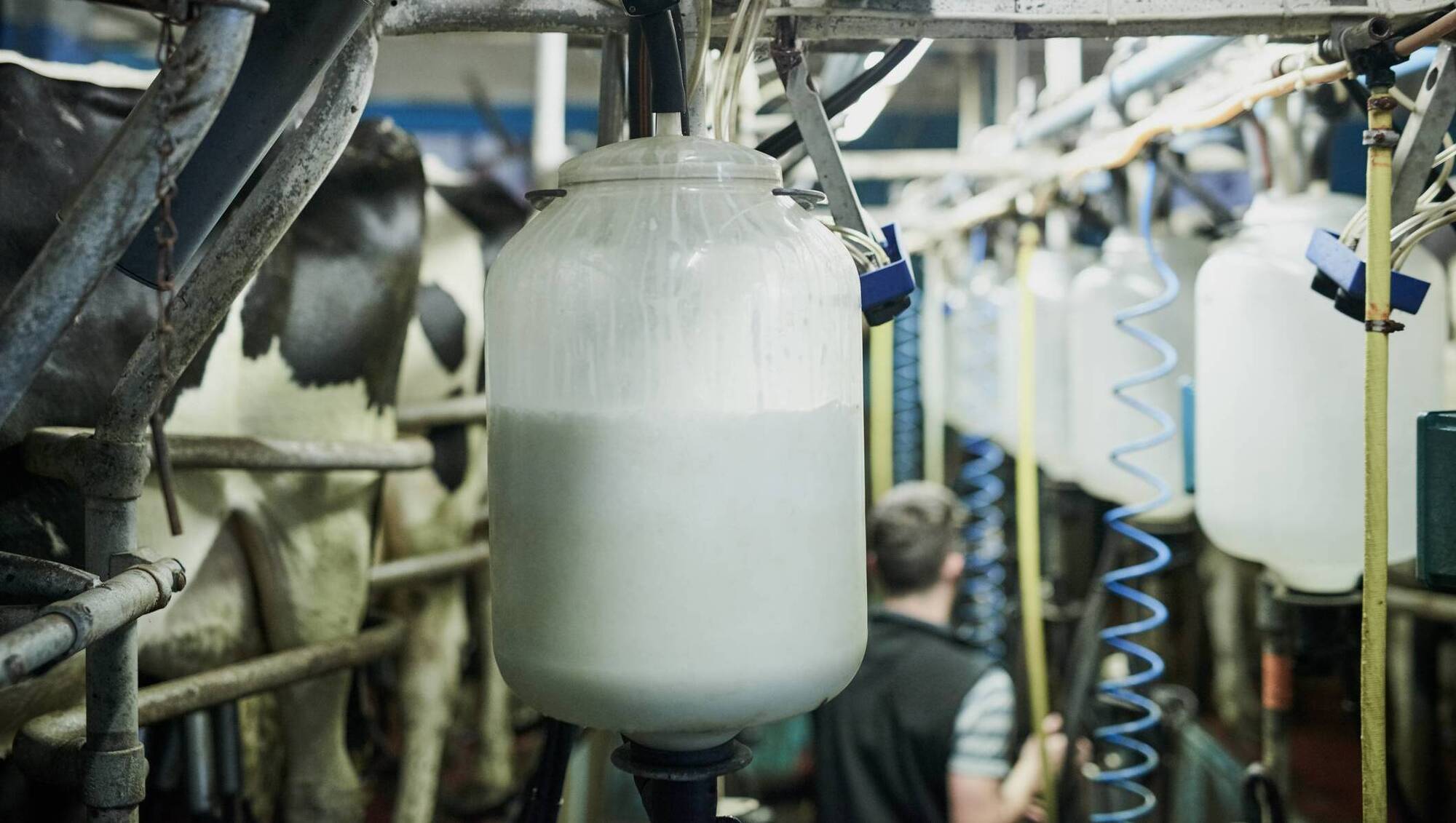
Ireland produced a record 8.8 billion litres of milk last year. Picture: iStock
Ireland's farmers produced a record 8.8 billion litres of milk last year, cementing our position as one of the world's top dairy countries.
However, only around one in every 18 litres ends up in cartons and bottles on supermarket shelves. The rest is transformed into butter and cheese, casein and skim milk powder. It was these base powders that made Ireland into one of the world's great producers of infant formula.
But a significant change is occurring in Irish and global dairy, with our milk production being increasingly turned into something else entirely: high-protein drinks designed not for babies at the start of life, but for cancer patients, stroke survivors, and the growing ranks of the elderly.
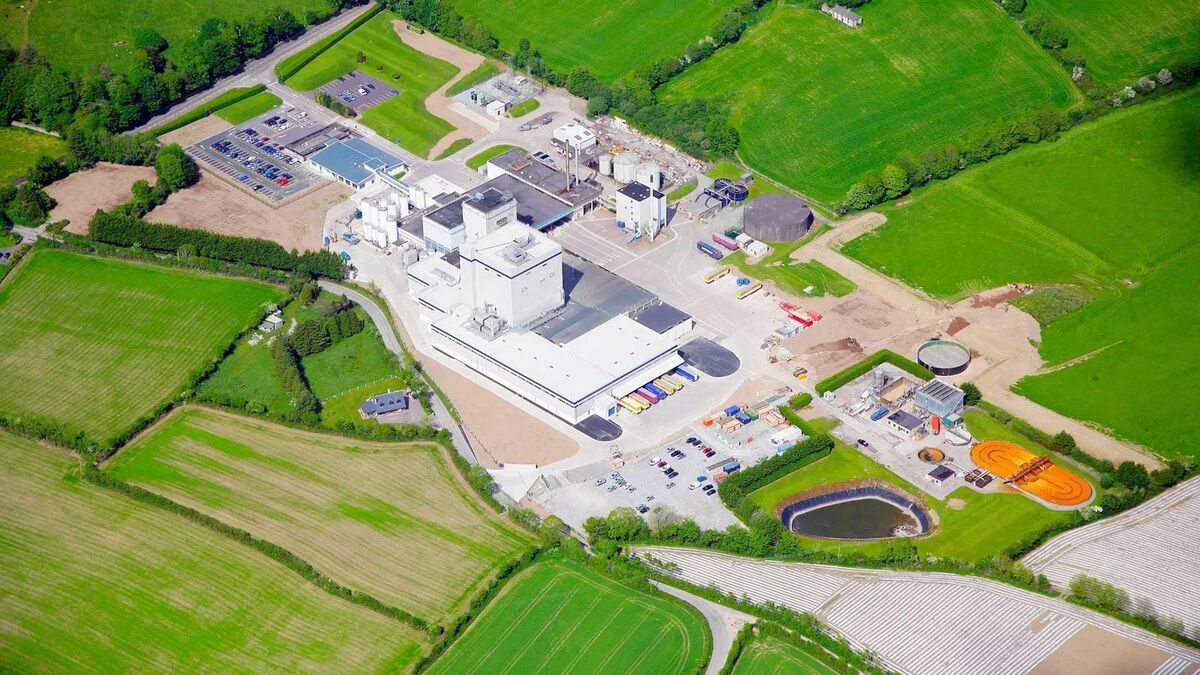
In May, French dairy giant Danone announced plans to invest in its Macroom operation, adding 230 jobs to produce specialised liquid nutrition and protein drinks. The multinational has lodged plans with Cork County Council to build an Advanced Medical Nutrition (AMN) facility, which is set to open in late 2028.
Danone already operates a significant baby formula production facility at Macroom for Danone's Nutricia network, producing brands like Aptamil and Cow & Gate.
However, in a shift, the company's planned new AMN will develop specialised liquid nutritional drinks for medical use, including for cancer patients, stroke recovery and frailty. It will be Ireland’s first liquid medical nutrition facility, marking a shift from powdered infant formula to higher-value healthcare products.
That change is being repeated elsewhere, and just 100kms away is the clearest evidence of just how that dairy shift is playing out.
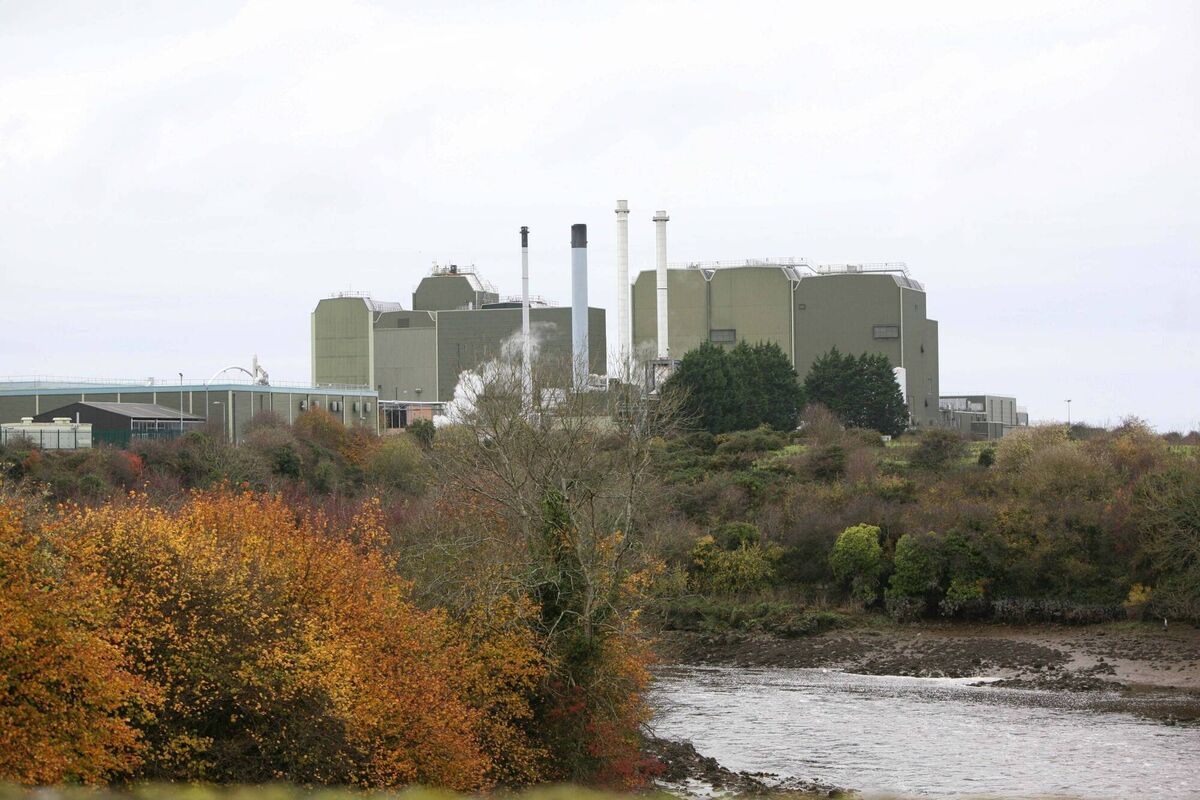
In March of this year, in Askeaton, Co Limerick, the final staff at Wyeth Nutritionals clocked out for the last time, bringing to an end 50 years of infant formula production at the site.
When Nestlé announced the closure in October 2023, it put 542 jobs at risk and blamed one number above all: births in China, the plant's almost exclusive market, had collapsed from around 18 million a year in 2016 to fewer than nine million by 2023.
Nestlé acquired the plant as part of its $11.85bn purchase of Pfizer Nutrition in 2012. By 2026, it had become a casualty of demography. The closure cost the Swiss giant €472.4m in exceptional charges. It also removed a buyer for roughly 50 million gallons of milk a year from farms across the mid-west, and close to €490,000 a year in commercial rates from Limerick's council.
The change is also visible across the sector's export figures. Bord Bia's report for last year shows Irish dairy exports hit a record €7.3bn in 2025, up 14%, with more than 1.6 million tonnes shipped to some 140 markets. But look inside the number and the shift is unmistakable.
Butter (€2bn, up 24%) and cheese (€1.7bn, up 19%) did the heavy lifting; between them they now account for half of all dairy export value, up from 41% two years earlier. Exports of specialised nutritional powders, the category that includes infant formula base, fell by around a quarter to €630m, dragged down by declining demand in Asia.
For an industry that at its peak produced an estimated one in 10 of every tin of baby formula sold in the world, it is a significant turn. Milk remains roughly 40% of Ireland's total agricultural output value, and more than 90% of it is exported.
The demographics that closed Askeaton are the same ones building Macroom. Fewer babies are being born in China and across the developed world. Meanwhile, populations are ageing, and older bodies fighting cancer, recovering from surgery, or losing muscle need concentrated, palatable, medically formulated nutrition.
That is the market Danone's new Macroom facility will serve. Medical nutrition, the small bottles of high-protein, high-calorie drink prescribed to patients who cannot meet their needs through ordinary food. It is one of the fastest-growing corners of the global food industry.
The worldwide market was valued at around $31bn in 2023 and is forecast to reach $52bn by 2033. Danone itself is more bullish, estimating the sector will hit €30bn by 2030, with the Chinese market, ironically, doubling over the same period.
The same country whose falling birth rate emptied Askeaton is expected to become one of the biggest buyers of nutrition for its elderly. Danone has been repositioning itself around this opportunity for years.
Its medical nutrition arm, built on the Nutricia business it acquired in 2007, generates around €3bn annually, an asset its deputy CEO has described as largely underappreciated.
Danone's flagship adult brands, Fortimel and Nutrison, now represent what the company told investors in February is a rapidly growing €1bn platform.
It has spent heavily on capacity, €50m in Poland, €70m in France and buying tube-feeding specialists Real Food Blends, Functional Formularies and Kate Farms in the space of five years.
Macroom, which already produces infant formula base powders for Nutricia, now becomes the group's Irish node in that network, and Ireland's first liquid medical nutrition manufacturing facility.
Danone is not alone. The category is effectively a three-way race. Abbott is another competitor with its Ensure brand. Abbott already employs some 6,000 people across 10 Irish sites, including a Sligo plant making the enteral feeding devices that deliver medical nutrition to patients.
Nestlé Health Science has been expanding its own medical nutrition capacity in the US and Europe even as it exited infant formula in Limerick. Nestlé's own capital allocation shows its path is out of the cradle and into the sickbed.
While the multinationals in Ireland are chasing the patients, our indigenous firms are chasing the protein, and have been for some time.
Glanbia saw this coming earlier than most. The Kilkenny-headquartered food group bought US sports supplement firm Optimum Nutrition in 2008 for $315m, when whey, once a cheesemaking byproduct, was just beginning its transformation into a global consumer category.
Optimum Nutrition's Gold Standard Whey now claims to be the world's best-selling whey protein, and the brand adorns McLaren's Formula One cars.
Glanbia's Irish successor co-op, Tirlán, Europe’s largest cheddar cheese producer and its second-largest whey protein isolate manufacturer, announced a €126m investment in a new whey processing facility at Ballyragget in November, due to be operational by mid-2027.
Whey protein isolate has risen roughly fivefold in value, to as much as €28,000 a tonne, as demand for high-protein products has surged. Part of that is the familiar gym-culture story with users seeking to add muscle.
But a newer force is accelerating it. Weight-loss drugs like GLP-1s have surged. As many as one in 10 American adults are now taking medicines like Ozempic, Wegovy and Mounjaro. Alongside them, an entire "companion nutrition" industry has sprung up to keep them fed.
Sports nutrition alone is estimated to be driving 45% of the global growth in demand for high-protein powders, and whey and casein account for over half of that market.
Carbery in West Cork, Dairygold with its new casein plant in Mitchelstown, Kerry's milk proteins business, Lakeland and Arrabawn are all investing along the same lines.
According to Carbery, the global sports nutrition market is growing by 10% annually, with almost 80% of that growth generated by protein-based products. The company says the market is evolving from sports nutrition towards active nutrition, targeting a broader audience of health-conscious consumers seeking energy, recovery, and everyday wellness.
Dairygold operates one of Europe’s largest casein production plants, commissioned in Mitchelstown in 2025, and is investing in diversifying its whey production.
The pattern is consistent: Irish milk is migrating up the value chain, from commodity powder to precisely engineered protein, whether the end user is a bodybuilder, an Ozempic patient, or an 80-year-old recovering from a hip operation.
The switch from baby powders to adult specialised protein still involves the same basic dairy input, along with the same skills and infrastructure to refine it.
For half a century, Irish milk fed the world's babies. For the next half-century, it may increasingly feed its patients and its pensioners.


CONNECT WITH US TODAY



Be the first to know the latest news and updates