How Ozempic and GLP-1 weight-loss drugs are driving a whey protein boom for Irish dairy
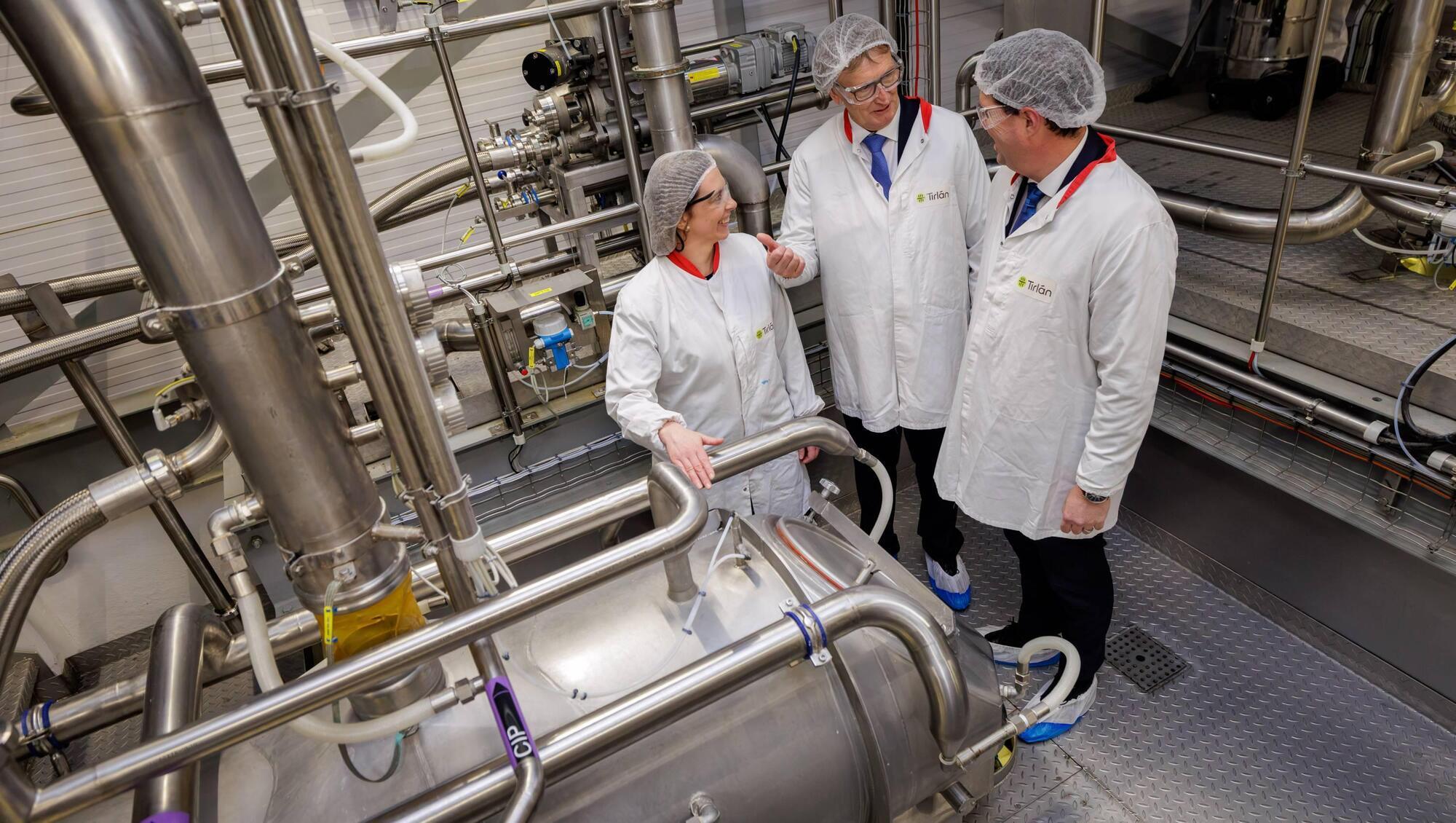
Tirlán director of research and development Michelle Collins with Tirlán chair John Murphy, and agriculture minister Martin Heydon at the announcement of plans for the co-op's €126m whey processing facility in Ballyragget, Kilkenny. Photo: Dylan Vaughan
It started out in Ireland in bygone days used mainly as pig feed. A leftover from the cheesemaking process. These days, whey has become gold for Irish dairy and nutrition companies.
Whey already had appeal as a lifestyle supplement but demand is now unprecedented, a consequence of the surge in demand for GLP-1 weight-loss medicines. It’s a global shift and the Irish dairy industry is riding the GLP-1 wave, as demand for whey-based nutrition booms.
At a time of huge pressure on global milk markets, whey production is proving a cash cow.
Read More
In the US, as many as one in 10 adults now take GLP-1 medicines like Ozempic and Wegovy produced by Novo Nordisk, and Mounjaro produced by Eli Lilly. The medicines reduce patient appetite resulting in the weight loss, but the weight loss includes a significant loss of muscle mass too.
In order to counteract this, most patients taking GLP-1s need to get more protein into their bodies.
“A food-first approach is what would be initially recommended, but whey supplementation can play an important part where the individual can’t meet their protein needs in specific circumstance - like rapid weight loss through GLP-1s,” said Diarmuid Duggan, dietician manager at the Bons Secours Hospital in Cork.
“As part of a multidisciplinary approach, protein and whey protein supplements can play a part in maintaining lean body mass, as weight loss is ongoing. The whey protein is one of the highest biological protein sources out there so it can help maintaining lean body mass through this weight loss as part of a healthful balanced diet.”
West Cork-headquartered dairy, nutrition, and ingredients company Carbery recently published its 2025 results, which showed operating profits of €52.3m, with revenue increasing 8% to €723m. The company noted whey protein demand increased significantly in 2025, driven by growth in the performance and active nutrition market and the expanding GLP-1 weight loss segment.
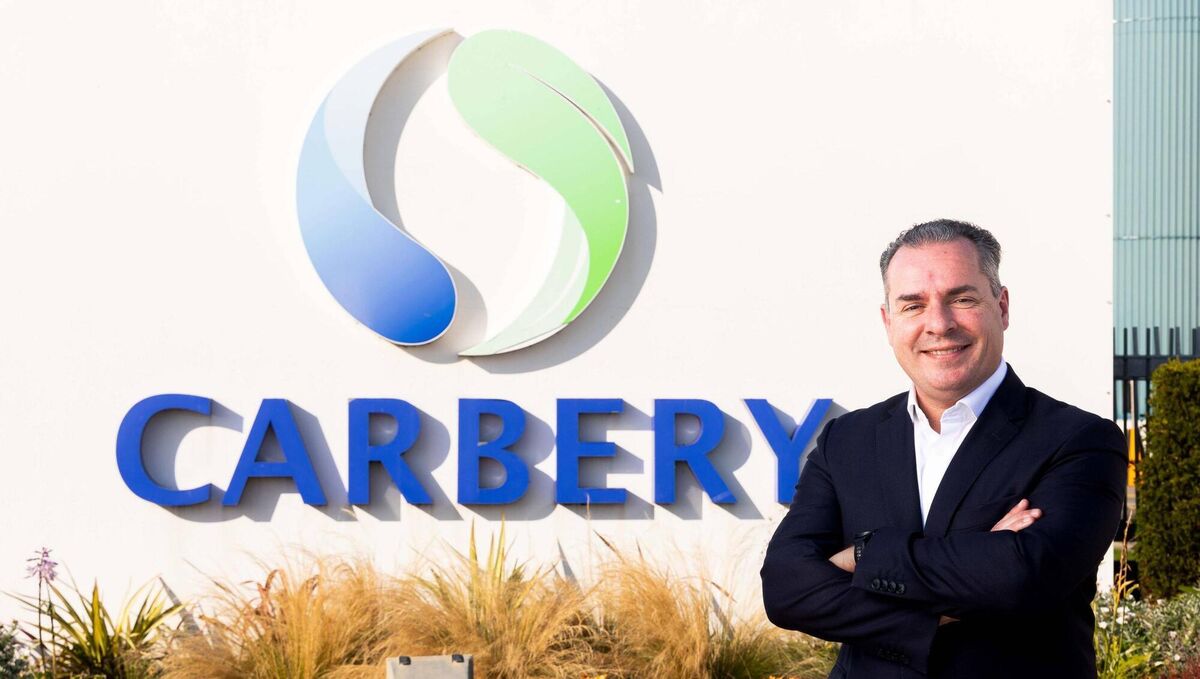
Carbery chief executive Jason Hawkins told the Irish Examiner that the growth of GLP-1 drug usage is proving a “gamechanger” for Irish dairy and ingredients products, particularly in the US, while the company is also developing its flavours business.
“At Carbery we're benefiting on both sides - we've a large nutrition customer base and we’re selling into a consumer that wants more protein and so we're seeing benefits both on the whey protein side of things as well as on the taste side of things, so for us iit certainly seems to be a gamechanger," said Mr Hawkins.
"Education is important, as even when people finish on GLP-1, people need to understand the importance of protein. We see that impact in the usage of GLP-1 in the US. Other regions are now starting to follow along as well, as availability is proliferated across all regions.” For Carbery, the biggest limit in the market on whey consumption currently is supply. “Whey is a byproduct of cheese and cheese making but there's only so much whey out there,” said chief financial officer Liam Buckley.
“There is some new cheese-making capacity into the US, but outside of that, whey protein from a material standpoint is actually a short supply discharge.”
On Wednesday, Tirlán held its AGM, where it was revealed the co-op paid out €1.7bn for milk in 2025 across its catchment area, including €300m in farmers in Kilkenny, €262m in Waterford, €229m in Tipperary, and €91m in Cork. The AGM heard how Tirlán is investing €126m at its Ballyragget site to expand capacity and flexibility to produce high-value whey protein ingredients, including fast-growing segments such as clear whey for lifestyle and performance nutrition.
The new facility is expected to be operational by mid-2027. “Ballyragget is already one of Europe’s largest integrated dairy processing sites, and this development will position Tirlán at the forefront of global nutritional protein innovation," said Tirlán chair John Murphy at the announcement of the Ballyragget expansion.
Irish dairy is grasping the opportunity. In April, publishing its annual results, Dairygold said it is investing in the diversification of a portion of its whey pool to meet growing global demand. The dairy industry here has “amazing” competitive advantages in the whey and dairy nutrition sectors, according to Conor Mulvihill, director of Dairy Industry Ireland, which represents primary and secondary dairy manufacturers, including the specialised nutrition sector in Ireland.
“Because of the cost, most of the people who are using GLP-1s right now have to be relatively wealthy, so they can afford to choose a nutrition product which is the best of the best. In Ireland, we are recognised for our quality. The product is being sourced off grass-fed cows – another unique selling point. You can’t source that quality from giant US farms.”
Mr Mulvihill noted the success of Ireland in whey production mirrors back to the success of the infant baby formula production industry in Ireland, where 10% of the world’s baby formula s now produced, at facilities like Nutricia in Macroom.
Internationally, the success of GLP-1 producers is affecting related food industries. Magnum Ice Cream Co., the maker of Ben & Jerry’s, has seen stock price tumbling 14% from in 2026 since its debut listing in December 2025, having spun off from Unilever. Some analysts predict GLP-1 use will hit sales of some its high calorie products.
However, Magnum points out that its Q1 2026 performance delivered 4.5% organic sales growth, with 2.9% volume growth "demonstrating continued resilience in consumer demand and reinforcing that we see no material negative impact from GLP‑1s on our business to date".
"We see that people using GLP‑1s still consume treats. When people eat less overall, ice cream remains a competitive and resilient choice within snacking as its calorie efficient compared to other snacking categories like chips or chocolate. However consumption tends to shift towards smaller portions and higher quality products," a Magnum spokesperson said. "As noted at our full‑year results, GLP‑1s are therefore likely to accelerate premiumisation in ice cream, which plays to the strengths of the category and our innovation pipeline."
A January study of in the US Journal of Marketing Research estimated that households with at least one GLP-1 user reduced their grocery spending by 5.3% within six months of starting on the drug. Spending declines were largest in calorie-dense, processed categories, including a 10.1% decline in savoury snacks, the researchers said. The study did show a handful of food categories showing increases in spending. Yogurt rose the most, followed by fresh fruit, nutrition bars, and meat snacks. This played out in reality last week, as US chocolate company Hershey said it saw a 17% increase in consumption of its protein bars in its latest quarterly results.
Magnum said that in the US, its brands such as Yasso, a higher‑protein frozen Greek yoghurt proved popular with GLP‑1 users.
The GLP-1 expansion is still growing. The US market is booming, despite GLP-1s currently being predominantly used by the wealthiest cohort. The drugs are covered for use in diabetes treatment by many US insurers but coverage for use to treat obesity is limited. That access is expected to widen, according to a JP Morgan report in February, which noted the Trump administration has signalled it will seek to lower costs and increase access to GLP-1s for Medicare and Medicaid recipients.
Ireland is clearly a few stages behind in terms of take-up of these weight-loss drugs but that too will change. “In Ireland, there is likely be an increased need for use of protein supplements to preserve lean body mass in situations going forward,” said Bons Secours dietician manager Mr Duggan. “Whey protein can be a useful aid in this complex intervention for management of people living with obesity using GLP-1 to maintain lean body mass. But it’s only part of the jigsaw. It needs the right supports and interventions, like dieticians, physios, GP, to meet the needs.”
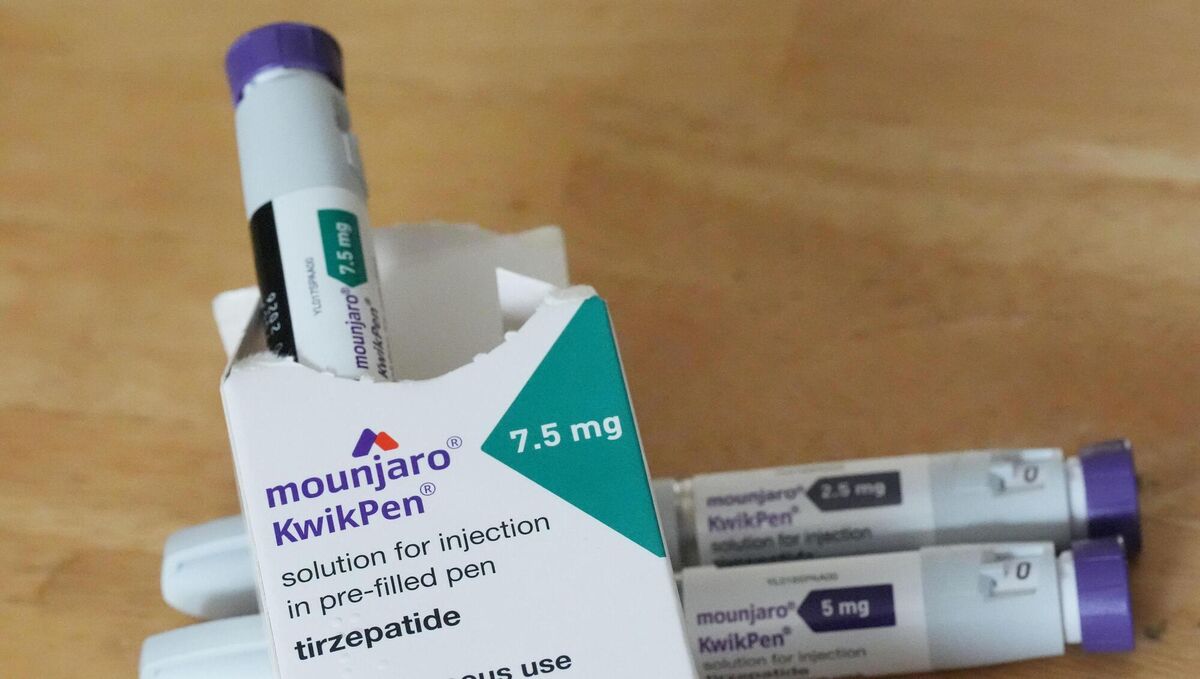
The so-called Ozempic boom has already seen a huge boost for Irish pharmaceutical exports. Exports of GLPs to the US rose from €14bn in 2024 to €51bn in 2025 and represented 20% of total Irish goods exports last year.
Last week, Eli Lilly hiked its full-year profit and revenue forecasts, amid surging demand for its GLP-1 drugs. Eli’s weight-loss pill Foundayo began selling in the US in April to compete with Novo Nordisk's oral product Wegovy, which launched in January.
Lilly chief executive Dave Ricks said that about 1,000 new patients a day are starting Foundayo. Last Wednesday, Ozempic maker Novo Nordisk - which is investing €430m in its expansion in Athlone - raised its full-year outlook, helped by stronger-than-expected sales of its new weight-loss pill.
Meanwhile Amazon said on Thursday its US pharmacy business will stock Novo Nordisk's pill at its kiosks and offer same-day delivery of the drug. It will also stock Eli Lilly's Foundayo pill. This will add another distribution chain for the drugs, with millions of new users coming on board, bringing increased demand for whey and protein products.
In an ideal world, Dairy Industry Ireland's Conor Mulvhill believes whey could become another Ireland brand, like Kerrygold became the gold standard did for Irish butter. “Realistically, in terms of structure, we are going to be ingredient providers,” he said.
Nevertheless, he believes Irish dairy stands at an important moment, and future-planning like Tirlán’s at Ballyragget, is key. “If we want to keep it going, we will need to continue to invest in innovation, and that should not be left just to multinationals,” Mr Mulvihill said. “That requires bravery from boards and from managers. It’s great we have this success story but there is no reason why the likes of Carbery and others can’t be the vanguard of this nutrition. Farmers need to be part of that. Or else they will be left on a low level commodity. “
CONNECT WITH US TODAY



Be the first to know the latest news and updates