Record number of start-ups founded in first half of 2026

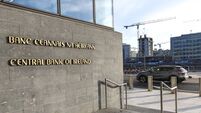
Together with a sharp decline in commercial and consumer judgments, the data signals Irish businesses are managing liquidity with remarkable agility despite global headwinds. Picture:iStock
A record number of Irish start-ups were established in the first half of the year, driven by IT, motoring, and manufacturing firms.
Together with a sharp decline in commercial and consumer judgments, the data signals Irish businesses are managing liquidity with remarkable agility despite global headwinds.
A report from Vision-net by CRIF shows 14,949 companies were established to the end of June, a 13% increase on the same period last year, with strong growth recorded across all geographic regions and various sectors.
IT company start-ups surged by 62%, with motoring companies rising 31%, and construction startups rising 22%. June was the busiest month for new company creation, with 2,744 firms registered in the month.
The data, based on information from the Companies Registration Office, shows 18 counties saw an increase in startups over 2025, notably Wicklow (31%), Kilkenny (26%), Louth (21%), Kildare (16%) and Donegal (12%). Counties with large urban populations, including Dublin (16%), Limerick (22%), Cork (13%), and Galway (18%), also saw a positive first half of the year in start-ups.
Read More
CRIF also reported a 45% drop in the value of commercial judgments to €15m, alongside an 18% year-on-year decrease in volume. There was also a substantial 15% decrease in the number of consumer judgments, along with a 58% drop in the value of consumer judgments.
CRIF analysis said stronger household balance sheets directly translate to robust consumer confidence, which is the ultimate fuel for domestic entrepreneurship and retail growth.
"The figures for the first half of 2026 paint a remarkably resilient picture of the Irish business landscape," Christine Cullen, the managing director of Vision-net by CRIF, said.
"Witnessing a 13% year-on-year increase in new company start-ups, totalling nearly 15,000 new businesses, is a clear indicator that entrepreneurial spirit and consumer confidence are holding steady, even against a backdrop of ongoing global economic uncertainty."
The data backs up a number of other recent reports pointing to a strong business sector led by improving consumer confidence, rising business orders, and steady business closures.
While the number of start-ups has risen sharply, the number of business closures has remained steady while sectors such as hospitality have seen a significant drop.
PWC reported last week that hospitality insolvencies during the first half of the year have declined by more than 26%, compared to the same period in 2025. Separate analysis from Deloitte reports that hospitality insolvencies have dropped by 14% compared to this time last year
It said the average company age across all insolvencies was 14 and a half years, but it was 10 and a half years in the hospitality sector.
Irish manufacturing also reported strong data last week. Despite firms facing increasing prices due to rising costs, the sector continued to see robust growth during June with companies reporting improving demand conditions in both domestic and export markets.
The AIB Purchasing Managers Index (PMI) for June recorded a reading of 54.9 — a slight easing from the 55.9 recorded in May. The Irish manufacturing PMI remains above the flash readings for the eurozone and UK at 51.3 and 53.1 respectively.
Chief economist at AIB David McNamara said: "Output rose strongly in June, albeit growth eased slightly from May, with respondents citing continued buoyant order books. This was also evident in solid growth in new orders and export orders, which reached multi-year highs in May, as firms reported a boost to sales despite the geopolitical uncertainty.”
Irish consumer sentiment also improved in June, building on the previous increase in May, according to the Credit Union consumer sentiment survey. The improvement in sentiment was broadly based, with four of the five main elements of the sentiment index posting month-on-month gains. Improvements were seen around economic outlook, financial conditions and expectations for the future.


CONNECT WITH US TODAY



Be the first to know the latest news and updates