Income taxes, Vat and corporation tax receipts all rise
The government's move to cut excise on fuel to ease the impact on motorists meant excise receipts dropped by 21.5% in June to €0.4bn.
An Exchequer surplus of €0.7bn was recorded in the first half of the year, with the state collecting €62.1bn in revenue, a drop of €0.6bn on the same period last year.
Tax revenues of €50bn were taken in over the first six months of the year, up €0.6bn on last year. However, last year's revenues were boosted by the once-off Apple tax case receipts. When those are excluded, the 2026 receipts are €2.3bn ahead of 2025.
In June alone, income tax receipts of €2.9bn were collected, a 2.2% year-on-year rise, and so far this year, the €13.7bn collected in 2026 is 4.7% ahead of last year.
Corporation tax receipts of €7.bn were collected in June, with €13.7bn taken in this year, up 4.7% on the first six months of 2025.
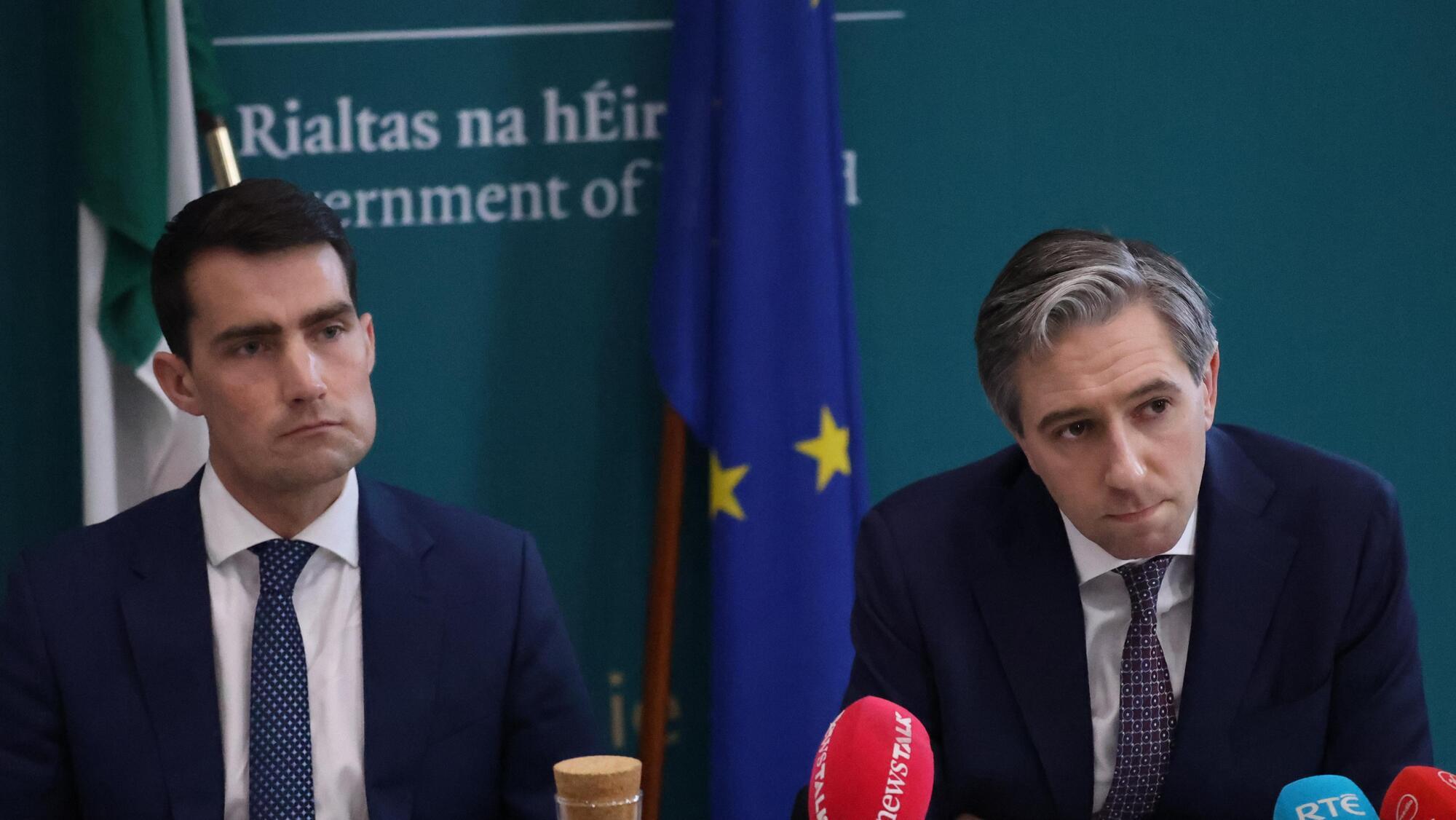
Tánaiste and Minister for Finance, Simon Harris said tax receipts in the first half of the year are positive and in line with expectations.
“In terms of the individual tax headings, income tax receipts remain solid, reflecting the ongoing strength of the labour market," he said.
June is a non-Vat due month with a modest €0.2bn in receipts in June but €2.9bn taken in on a cumulative basis, a drop of €0.2bn on last year.
The government's move to cut excise on fuel to ease the impact on motorists meant excise receipts dropped by 21.5% in June to €0.4bn. On a cumulative basis, excise receipts of €2.9bn are down on last year by €0.2bn.
“Earlier this week, the Government confirmed that the temporary excise reductions on fuel will remain in place over the coming months, directly lowering prices at the pump," Mr Harris said. "At the same time, we have established a pathway to gradually restore excise duty rates to pre-reduction levels, balancing the need to respond to the challenges of the moment with an approach to overall budgetary policy that remains safe and affordable."
Government spending to the end of June reached €54.5bn, up 7.6% on last year.
Orla Gavin, Head of Tax at KPMG Ireland, said the returns underline the continued strength of Ireland’s tax base.
"While the Irish labour market remains strong, there is no room for complacency. Budget 2027 should use this fiscal strength carefully and strategically to reinforce Ireland’s ability to compete for investment and talent, including through action on employment costs, housing delivery and infrastructure."
Alma O’Brien, Head of Tax, Azets Ireland, noted the yearly increase in Vat receipts of 7.5% and income tax of 2.2%, point to consumer spending and employment that are holding up despite geopolitical uncertainty.
AIB Chief Economist David McNamara said the data indicates the Irish economy remained resilient. "However, pace of spending growth remains faster than the trend growth rate of the economy, which remains a concern given the moderating growth in underlying tax revenues," he said.
CONNECT WITH US TODAY



Be the first to know the latest news and updates