Living costs jump 24% as lower income families left behind, SVP report warns
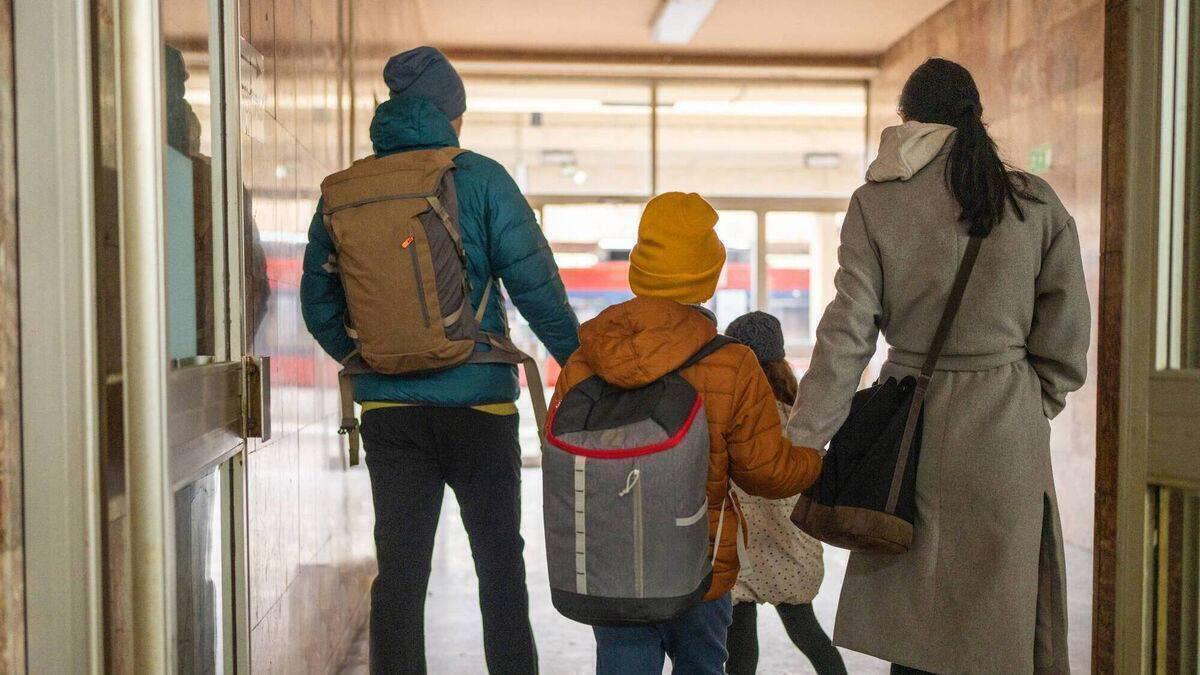
The income needed for a basic standard of living has risen sharply in recent years, with lower-income households struggling to keep pace with surging costs, a new report has found.
The income needed for a basic standard of living has risen sharply in recent years, with lower-income households struggling to keep pace with surging costs, a new report has found.
The annual publication from St Vincent de Paul suggested that essential living costs have risen almost 24% since 2024 but social welfare rates have not caught up, leaving families reliant on such payments in an even more precarious position than before.
And, ahead of Budget 2027, it said such research on the metric referred to as a “minimum essential standard of living” strengthens calls to provide targeted supports to those most in need as the cost-of-living continues to rise.
Read More
“The research tracks the actual cost of meeting everyday needs and participating in society with dignity,” said research manager Robert Thornton, from SVP’s Vincentian MESL Research Centre.
“While headline inflation may have moderated, the cumulative increase in essential living costs since 2020 continues to place significant pressure on households, particularly those relying on social welfare payments and fixed incomes. For many families, incomes have simply not kept pace with the rising cost of a minimum acceptable standard of living.”
According to the report, home energy costs increased by 24.9% in the year to March 2026 and have more than doubled since 2020.
Home heating oil, which spiked following the US/Israel war on Iran, rose 72.4% in the last year. Since 2020, the cost of it has almost tripled (up 186.8%).
Natural gas remains 84% above 2020 levels, despite dropping 3% last year, while electricity has increased 25.6% in the last year and by 77.7% in the last six years.
Further price hike announcements in recent weeks by the main energy suppliers are likely to put even more pressure on households in the months to come.
Food prices, meanwhile, increased by 2.7% in the last 12 months while a food shop now costs 20% more than it did before the Covid-19 pandemic.
SVP said that while overall inflation has eased compared to the peaks of recent years, its report highlights how households cannot avoid spending on essentials such as heating, electricity and food. So, when these prices go up, those on low and fixed incomes face significant pressure.
Considering a range of different household types, it said only about one in five households have an adequate income while more than third have a deeply inadequate income.
Single-parent households with teenagers who depend on social welfare were at the greatest risk of income inadequacy. But, it added that an increase in the child support payment this year has narrowed this gap and showed how needs-based and evidence-based measures can help those who need it most.
Among its recommendations for the upcoming budget is further targeted supports and a long-standing call from many campaigners to index social protection supports to the rise in the cost of living.
“As Government begins preparing Budget 2027, the evidence is clear that social protection rates must move closer to adequacy,” Mr Thornton added.
“Budget decisions should be guided by the real cost of meeting basic needs. Without sustained action to improve income adequacy and protect the value of social welfare supports, the gap between household incomes and minimum living costs will continue to widen for many of the most vulnerable people in our society.”


CONNECT WITH US TODAY



Be the first to know the latest news and updates