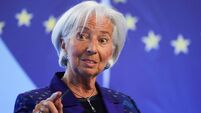
ECB officials can take heart as March inflation seen at 2% target
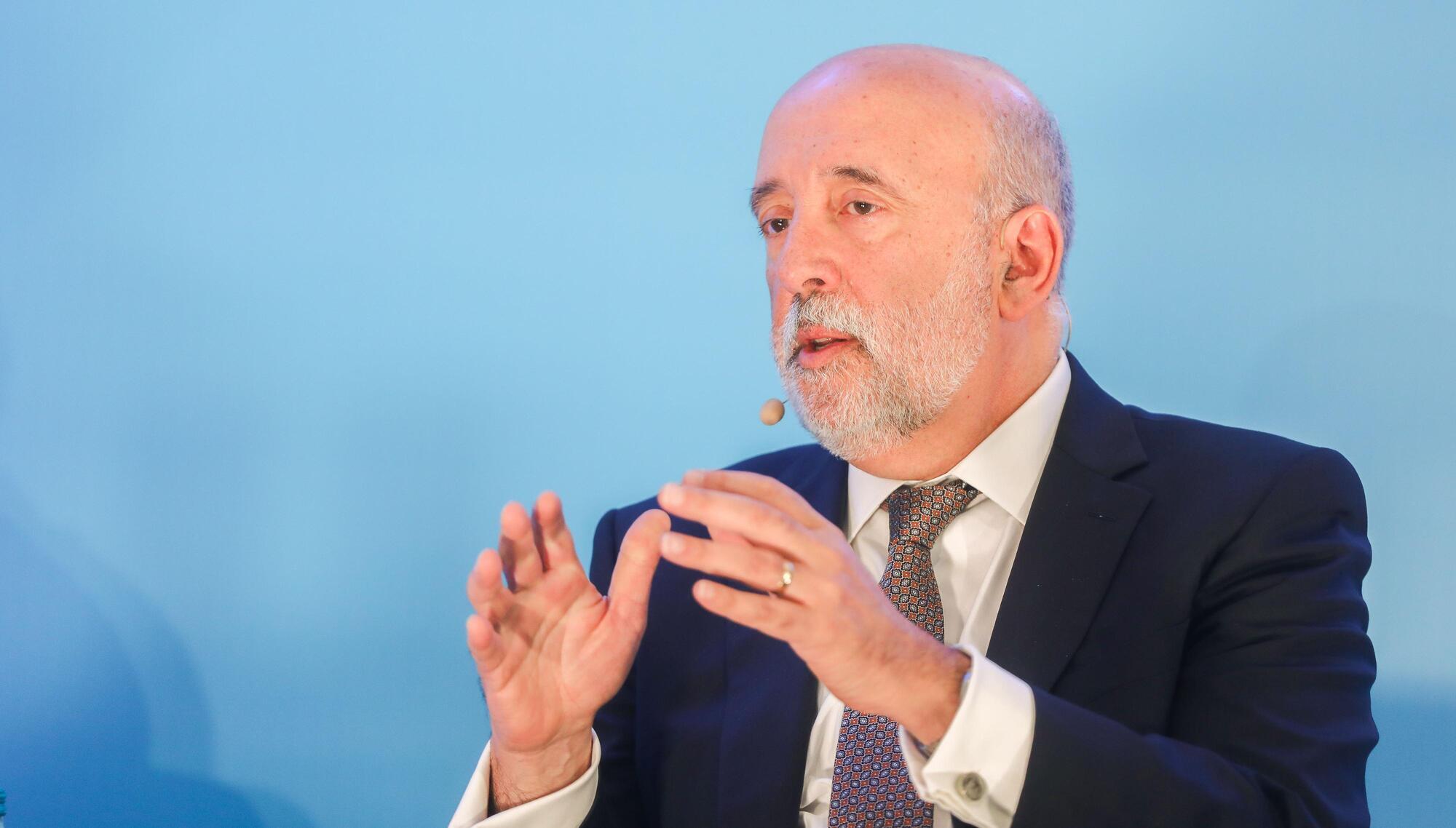
Gabriel Makhlouf, governor of the Central Bank of Ireland, will attend the ECB meeting in Frankfurt.
European Central Bank officials about to meet in Frankfurt this week can take heart over inflation: They’ve already got it down to their 2% target.
The gauge compiled by , incorporating 32 variables ranging from unemployment to energy costs, has just hit 1.95% — after a drop in January producer prices published this week fed into the model. Such a decline in the headline inflation rate for March, if it were to materialise, would mark a drastic change from February’s faster-than-expected 2.6% outcome.
The nature of the Nowcast forecast means that it’s still likely to fluctuate as further data inputs arrive in the coming weeks, and such measurements are also fraught with uncertainty. One element that can’t be captured directly is services — a part of the consumer-price basket that policymakers are watching closely.
Even so, the result illustrates how their judgment on when to cut interest rates is entering a more finely balanced phase. ECB officials are set to gather for Thursday's decision that will be scrutinised by investors for any clues on a possible move.
The producer-price data showed a 0.9% drop on the month — matching the pace of December — and an 8.6% decline from a year earlier.
Andrej Sokol of Bloomberg Economics, who developed the Nowcast, said that the drop that the measure reveals is noteworthy. “A move this big is fairly unusual, especially this early in the month,” he said.
Meanwhile, the price of gold jumped to an all-time high after speculation that US interest rates will be cut sooner than later.
However, US Federal Reserve chair Jerome Powell is expected to double down on his message that there’s no rush to cut interest rates, especially after fresh inflation data showed that price pressures persist.
Mr Powell is headed to Capitol Hill, where he’ll deliver his semiannual monetary policy testimony to a House committee on Wednesday and a Senate panel on Thursday. The US central bank chief and nearly all of his colleagues have said in recent weeks that they can afford to be patient in deciding when to cut rates given underlying strength in the US economy.
The “danger of moving too soon is that the job’s not quite done, and that the really good readings we’ve had for the last six months somehow turn out not to be a true indicator of where inflation’s heading,” Mr Powell said last month.
That cautious approach has been validated in recent weeks by data showing inflation picked up last month. But it’s not likely to satisfy the Democrats, who are anxious about how the path of rates could affect the November presidential election and down-ballot races.
They’re expected to press the Fed chief on why officials are keeping borrowing costs so high, risking damage to the economy, when they’ve made so much progress on inflation.
The data highlight for the week will be the monthly jobs report on Friday. Economists project payrolls growth moderated in February to 200,000 following a 353,000 surge a month earlier that was the largest in a year. The jobless rate is seen holding at 3.7%, while hourly earnings growth probably cooled.


CONNECT WITH US TODAY



Be the first to know the latest news and updates