Manufacturing sector sees sustained gains in October
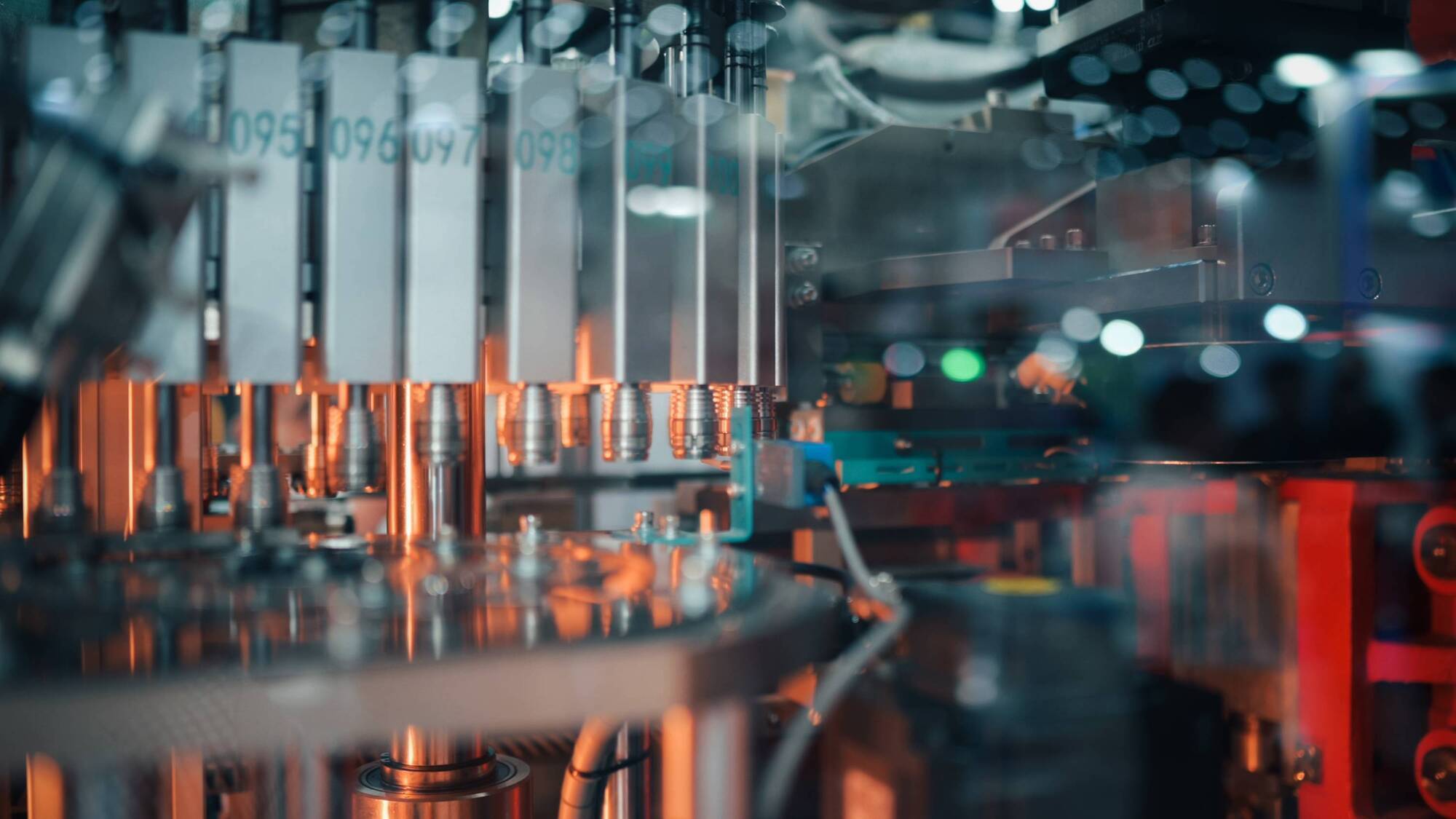
Supply chain disruption and elevated inflationary pressures continue to present challenges, the latest AIB Purchasing Managers Index (PMI) shows. Picture: iStock
The Irish manufacturing sector signalled improvement in business conditions during October, with strong rises in output, new orders, and employmentt.
However, supply chain disruption and elevated inflationary pressures continue to present challenges, the latest AIB Purchasing Managers Index (PMI) shows.
The PMI recorded a reading of 55.2 during October, down just slightly from the 55.5 recorded in September. The PMI is a composite single-figure indicator of manufacturing performance and is derived from indicators for new orders, output, employment, suppliers’ delivery times and stocks of purchases.
Any figure greater than 50.0 indicates overall improvement of the sector.
The Irish manufacturing PMI remains above the flash readings for the eurozone and UK at 52.4 and 52.8, respectively but below the US at 56.0.
Chief economist at AIB David McNamara said the manufacturing sector “maintained good momentum” last month with the index easing slightly compared to September.
“The expansion in the month was due to sustained gains in output, new orders and employment,” he said.
"Output rose solidly in October, although growth slowed from the four-and-a-half year high reached in September, with respondents citing continued robust order books. This was also reflected in a sharp rise in new orders and continued export orders growth.”
The PMI showed that new order volumes increased at a “sharp and accelerated pace” last month which was reflected in improving sales to both domestic and overseas clients export orders have now increased for nine consecutive months.
“Some firms noted sales headwinds from intense cost pressures and subdued consumer confidence.”
In terms of employment, the seasonally adjusted employment index recorded growth for the 23rd month in a row during October.
“Moreover, the latest reading signalled a solid pace of job creation that was the fastest since July. Manufacturers mainly noted additional staff recruitment to meet rising demand and support long-term business expansion plans,” the PMI said.
Good producers signalled an accumulation of unfinished business for the fourth month in a row with some reports that supply shortages and capacity constraints led to the increase.
There was also a “marginal increase” in the post-production inventories across the manufacturing sector.
Mr McNamara said that the rate of input price inflation accelerated last month, compared to September, but “remained below the near four-year peak reached in May”.
“Higher input charges were mainly linked to higher energy, fuel and raw materials. With demand still robust, many firms were able to increase selling prices and protect margins, with output price inflation rising in October,” he said.
Around 43% of the companies surveyed reported an increase in their input costs during October, while only 1% noted a reduction.
“The resulting seasonally adjusted Input Prices Index signalled a sharp rise in overall cost burdens across the manufacturing sector, with the rate of inflation accelerating to its fastest since June,” the PMI said.
Factory gate charges rose at the strongest pace since June as manufacturers sought to pass on higher transportation costs.
Purchasing activity by manufacturing firms continued to grow and was linked to stock building efforts and increased order books.
“Existing stocks grew rapidly for an eight consecutive month, as firms maintained precautionary stockpiles in the current inflationary environment,” Mr McNamara said.
In addition, the PMI said international shipping delays and constrained transportation capacity resulted in longer wait times for supplier deliveries in October.
Business confidence among manufacturing firms improved during October with companies surveyed noting that new export opportunities and planned marketing initiatives could support growth in the next 12 months.
“Around 41% predict an increase in output over the next year, up from 38% in September, while just 8% forecast a reduction. Manufacturers cited inflationary pressures as weighing on confidence,” Mr McNamara said.
Some manufacturers commented on headwinds from elevated cost inflation.

CONNECT WITH US TODAY



Be the first to know the latest news and updates