Residential construction sector sees contraction
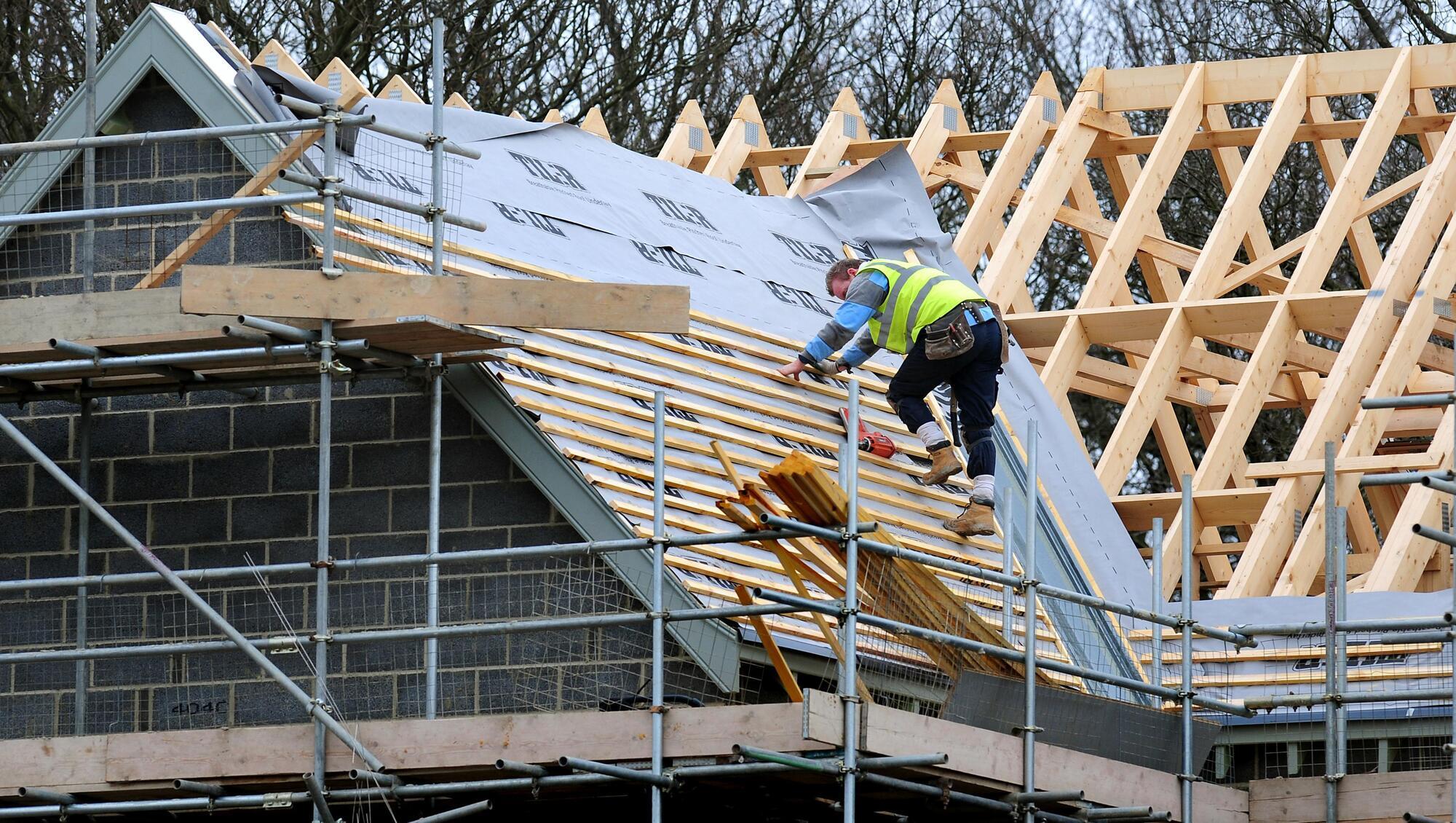
According to the latest data from the Central Statistics Office, during the first six months of this year there have been 16,679 homes completed which an increase year-on-year of nearly 11%.
The construction sector saw slight growth in August largely driven by commercial activity, while the residential activity was “unable to maintain its momentum”, falling back into a contraction, the latest AIB Purchasing Managers Index (PMI) shows.
In August, the sector recorded a PMI reading of 50.7, down from 53.0 in July, indicating the pace of growth slowed midway through the third quarter.
AIB senior economist John Fahey said the expansion in activity levels was less broad-based than in July, with commercial activity retaining its position as the top performer, and was “the only sector to record growth during the month”.
“The residential sector was unable to maintain its momentum from July, falling back into contraction territory last month. Meanwhile, civil engineering activity levels were broadly unchanged in August,” he said.
Output in the commercial sector rose for the sixth time in the past seven months, while civil engineering activity was broadly unchanged, and housing activity decreased solidly.
According to the latest data from the Central Statistics Office (CSO), during the first six months of this year there have been 16,679 homes completed, an increase year-on-year of nearly 11%.
The firms that reported an increase in activity during the month linked it to efforts to complete projects quickly as well as an improvement in demand.
Read More
Mr Fahey said some other key metrics in the August survey provided some “encouraging signs”.
“The new orders index, which is viewed as a leading indicator, increased for the second month in a row, with the pace of growth accelerating. At the same time, the construction sector continued to record an expansion in staffing levels, with employment numbers rising for a 10th successive month,” he said.
“However, price pressures remained a key challenge for the sector, with the rate of increase in input costs accelerating.”
Companies faced “intensifying supply-chain delays and a sharper rise in input costs”, according to the PMI.
Inputs such as oil and metals were mentioned in particular by firms when it came to the issue of rising prices. The rate of inflation ticked up from July, but was still much weaker than April's recent peak.
Input buying rose for the first time in three months, while the pace of job creation eased to a marginal rate that was the slowest in the current 10-month sequence of increasing staffing levels.
“Suppliers' delivery times continued to lengthen in August. Moreover, the rate of deterioration in vendor performance was the most pronounced in four months. Panellists reported a lack of stock at suppliers and shortages of couriers,” the PMI said.
Firms also increased their usage of sub-contractors for the ninth straight month, albeit at a slower pace, while the availability of sub-contractors continued to decline.
Construction firms’ level of confidence in the prospect of higher activity levels over the coming 12 months strengthened for a fourth consecutive month in August.
“The improvement in sentiment was underpinned by rising new orders and a healthy pipeline of new projects,” Mr Fahey said.
According to the PMI, optimism hit a six-month high in August.

CONNECT WITH US TODAY



Be the first to know the latest news and updates