Just 21% of firms have taken significant steps to prepare for pay transparency rules
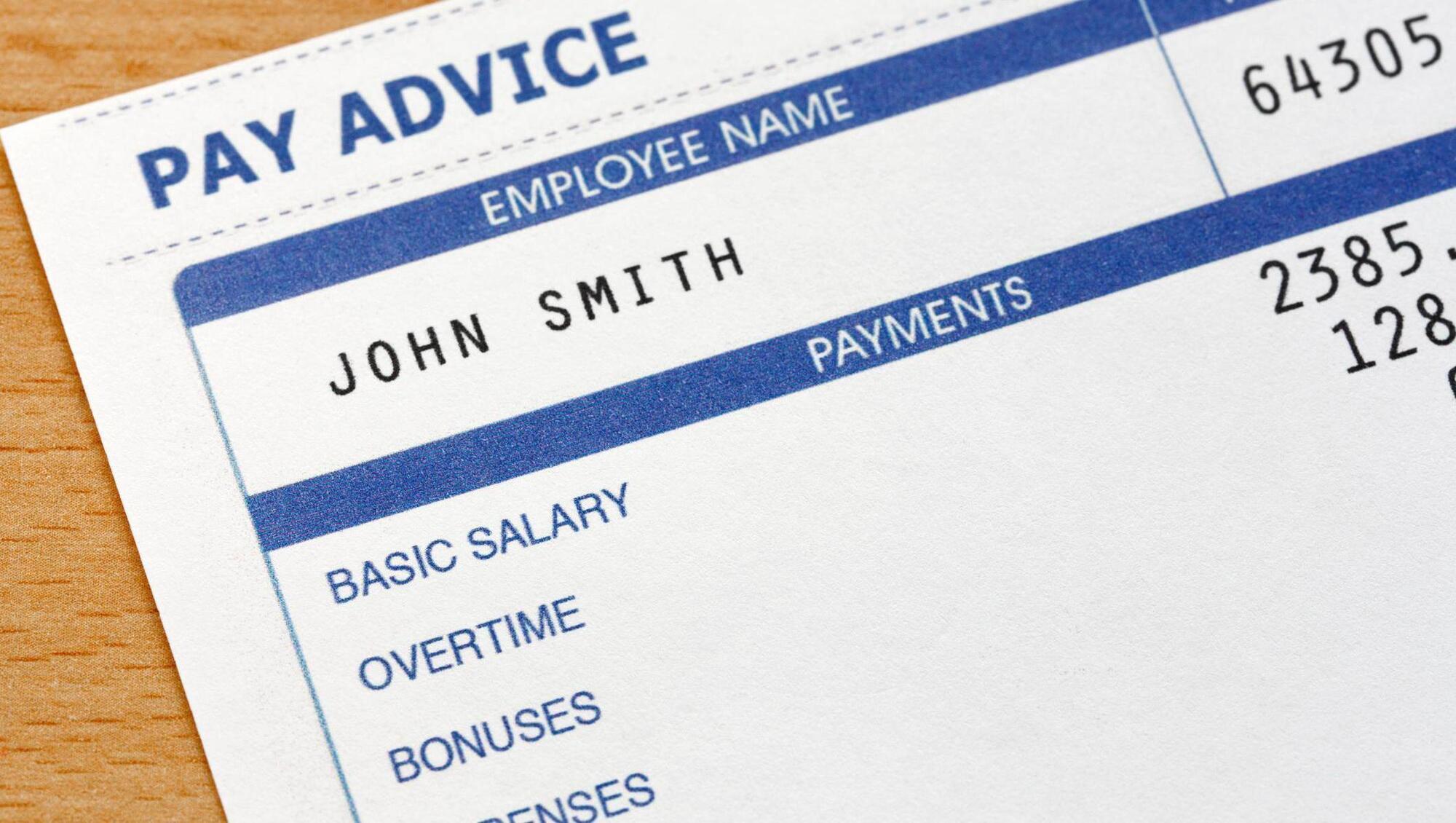
Workers also can request information on their individual pay level and the average pay levels. File picture
Just 21% of Irish employers have taken significant steps to prepare for the incoming EU pay transparency rules, new research from Mason Hayes & Curran shows.
Despite the rules being mandated, Ireland has already missed the deadline for their implementation.
EU pay transparency rules means that companies have to inform job seekers about the starting salary or pay range in the vacancy notice or ahead of the interview and are no longer allowed to ask about their pay history.
Workers also can request information on their individual pay level and the average pay levels.
The directive was supposed to be transposed into law in EU member states by June 7 but Ireland missed the deadline.
Of the firms surveyed, 61% said they have taken “some” steps on the matter while 19% said they have not yet taken any action.
Partner at Mason Hayes & Curran, Catherine O’Flynn, said the legislative timeline for rules implementation in Ireland has slowed but the “compliance requirements haven't changed, and employers will face significant internal restructuring once domestic law lands”.
“Organisations that start that work today will avoid a last minute scramble once the legislation is published."
The survey also found that nearly half of firms, 48%, say job evaluation and grading is their biggest challenge while 53% say that they are not comfortable with employees discussing salaries with colleagues.
It found that 54% of firms do not currently disclose salary information in job advertisements. Just 20% said they always publish pay bands, while 26% do so occasionally.
Director of business and people consulting at HR Path, Sarah McDonough, said publishing pay bands is a “big change to how most organisations currently approach recruitment”.
“External visibility instantly exposes internal pay gaps. Without documented job structures, businesses are exposed to equal pay challenges and risks. Employers who do the groundwork now, before publication becomes mandatory, get to fix gaps on their own terms."
The incoming rules have dampened employer enthusiasm, according to Mason Hayes & Curran. Only a fifth now expect the rules to exert a positive impact on their organisation, down from 31% in April.
A quarter see the rules as an unnecessary administrative burden, compared with 21% previously. The research surveyed more than 200 human resource professionals.

CONNECT WITH US TODAY



Be the first to know the latest news and updates