My Job: Why manufacturing in Ireland is critical to solving the housing crisis
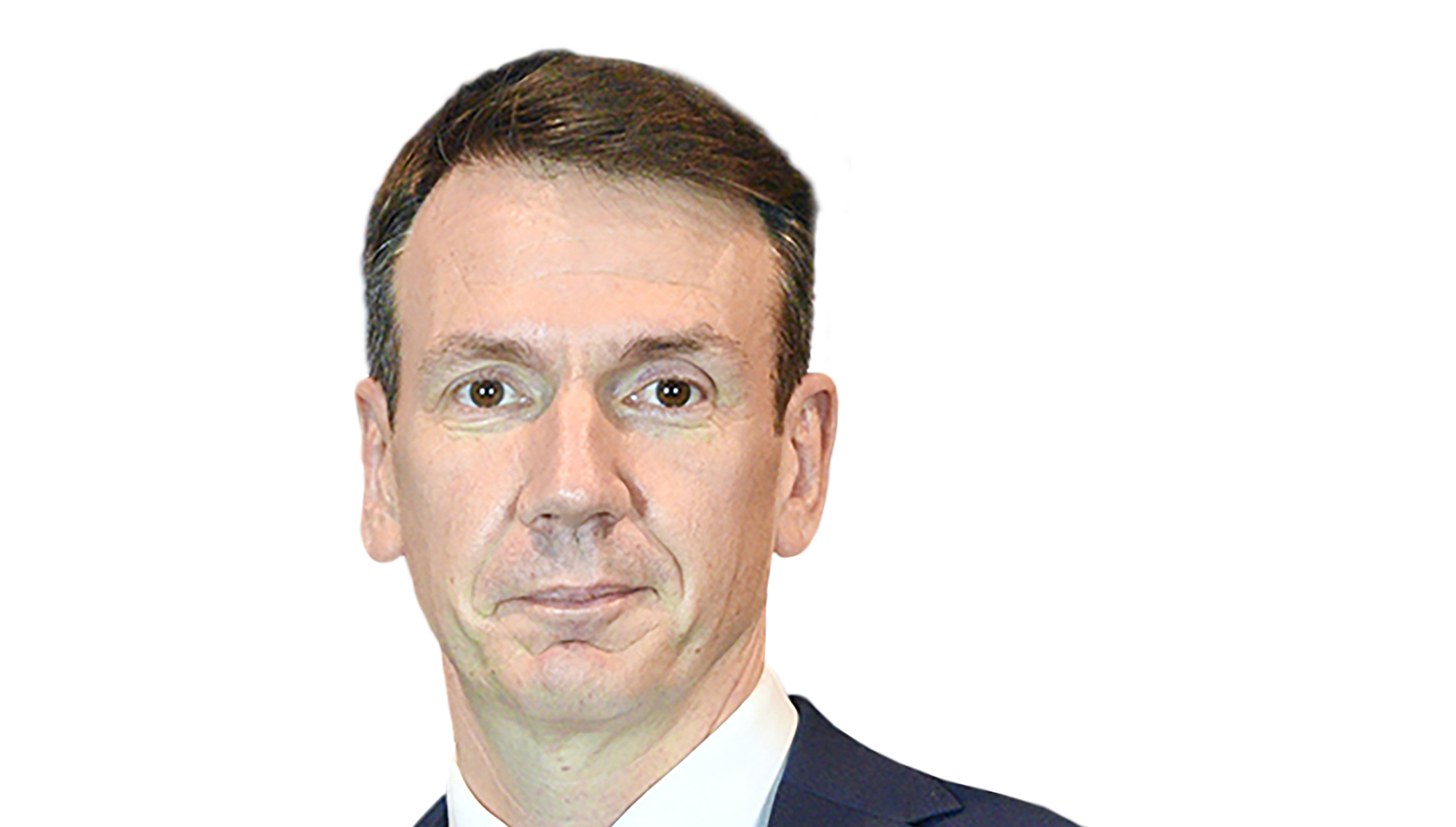
Managing Director Pipelife
: Conor Manning
: Managing Director, Pipelife
: Ireland’s leading manufacturer and provider of plastic piping systems to sectors across heating & plumbing, water pressure, electricity, gas and agriculture.
Pipelife, through its manufacturing base in Cork and its wider network, supplies a range of piping and building solutions for residential housing, apartments, commercial developments, and civil projects, thereby playing a significant role in housing and infrastructure delivery across Ireland.

“What is particularly important at the moment is the role of reliable local manufacturing,” says Conor Manning, Pipelife managing director.
“Ireland is under real pressure to accelerate housing delivery and invest further in infrastructure, so having strong indigenous manufacturing capability and responsive local supply chains becomes increasingly important.”
Pipelife sees itself not simply as a product supplier but as a long-term partner to merchants, contractors, developers, and infrastructure providers who are delivering critical projects in a challenging environment.
“The current environment is probably one of the most volatile we’ve seen in recent years.”
A major factor is raw material inflation and volatility, particularly in polymer markets that are influenced by global energy and oil dynamics.
Read More
Mr Manning says: “Those movements can happen very quickly and create significant pressure right across the supply chain. The challenge is not just around pricing: It’s also around forecasting demand, maintaining supply continuity and ensuring projects remain commercially viable.”
With demand in housing and infrastructure strong, businesses are trying to balance high expectation on delivery with a market that can change month to month. “I think the key for companies in this environment is agility, communication, and strong partnerships across the supply chain.”
There has been a significant investment at the company’s production base in Little Island over recent years, resulting in one of the most modern facilities within the Pipelife group.
“The significant investment in new equipment, personnel, and services is without parallel in our sector in Ireland, and will position our Irish operations as a world-class manufacturing facility for many years to come.
“This very visible investment shows Pipelife’s long-term commitment to the Irish market, and there is no doubt that the scale, modernity, and product portfolio of the new operations will be very attractive as a supply chain partner for the major merchant groups, builders, and installers in the country.”
Pipelife employs 3,000 workers in 28 manufacturing locations, and is a wholly owned subsidiary of Wienerberger, which has group revenues of €4bn per year and 16,000 employees worldwide. With supply lines impacted by global conflict, Pipelife’s approach has been focused on collaboration, planning, and close communication with customers and suppliers.
“We are engaging continuously with customers to give them as much visibility as possible around supply, lead times, and market developments. We are also working closely with our wider supply chain to ensure continuity of material flow into our manufacturing operations.”
One advantage of local manufacturing is that it gives greater responsiveness and control, instead of relying entirely on imported finished goods.
“We’ve also invested heavily over time in our people, operations, and product portfolio, so that we can remain flexible as market conditions evolve.
“Ultimately, our focus is on supporting customers through periods of volatility rather than simply reacting to short-term market movements.”
Despite the challenges, Manning remains confident about the Irish construction sector: “I believe the long-term outlook remains positive, although there are certainly short-term pressures. Ireland still has very significant housing and infrastructure requirements. The need for new homes, water infrastructure investment, energy transition projects, and modernisation of the built environment is not going away.”
The difficulty is ensuring the industry has the capacity, planning framework, infrastructure, and supply-chain stability needed to deliver at the pace required.
“So while there are real challenges around inflation, costs, and market uncertainty, there is also strong long-term underlying demand. From our perspective, continued investment and confidence in the sector remain critically important.”
The construction sector is evolving rapidly, Manning says, particularly around energy efficiency, sustainability, and apartment design.
Mr Manning says: “As a business, we are continuously adapting our product offering to align with those changes.
“That includes areas such as heat-pump solutions, modern apartment building- services systems, and more sustainable piping solutions. Customers increasingly want integrated systems that support both performance and sustainability objectives, so innovation and product development are becoming increasingly important.”
Pipelife employs up to 220 people in Ireland and is conscious of the responsibility that comes with being a long-established manufacturing employer in Cork. “The business has had a manufacturing presence in Little Island for many decades and over that time has become an important part of both the local economy and the wider Irish construction supply chain.”
Many employees have spent a significant part of their careers with the company, resulting in a wealth of experience, technical knowledge, and commitment across the organisation.
Mr Manning says: “Manufacturing businesses like ours play an important role not only economically but also in terms of skills development, apprenticeships, engineering capability, long-term careers, and supporting local communities. What is particularly important is that we continue to retain and develop manufacturing expertise locally.”
Ireland needs strong indigenous and locally based manufacturing businesses that can support housing, infrastructure, and broader construction delivery in a reliable and sustainable way, he says.
“Over the years, the company has continued to evolve alongside the market — adapting product ranges, investing in manufacturing capability, and responding to changing customer and regulatory requirements — while still maintaining a strong local operational footprint in Cork.”
Being part of Wienerberger gives Pipelife access to significant international expertise, technical development, and long-term investment capability, while still maintaining a strong local identity and close connection with the Irish market and customer base.
“That combination of local manufacturing presence, backed by international scale and expertise, is extremely important, particularly at a time when resilience, sustainability, and supply-chain reliability are becoming increasingly critical within the construction sector.”
Communication is hugely important during periods of volatility, Mr Manning says, when teams need clarity, customers need transparency, and organisations need to remain adaptable.
“There is a strong responsibility on leadership teams to continue investing through difficult periods, whether that is investment in people, manufacturing capability, sustainability initiatives, or future product development. The businesses that remain focused on the long-term, while managing the short-term pressures, are generally the ones that come through strongest.”