Just 18% of small firms have incorporated AI into their businesses
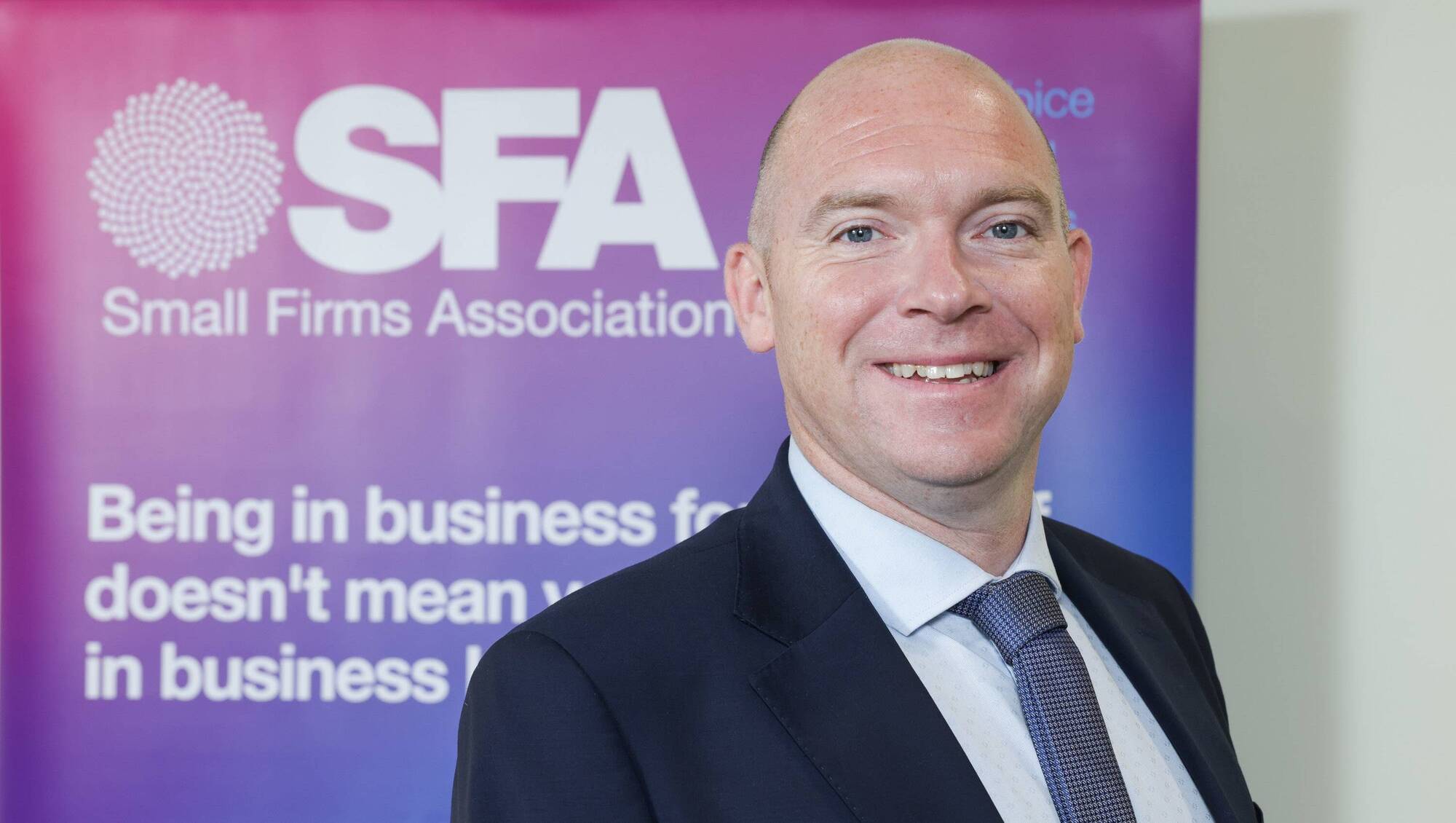
David Broderick, director of the Small Firms Association, said many small firms have stuck with off-the-shelf tools for basic usage, such as basic administration and file storage.
Only 18% of small firms have already incorporated AI into some of their business, with most usage of the technology limited to basic processes across “low-risk” areas, a survey from the Small Firms Association (SFA) has found.
According to the survey, of 404 SFA members conducted by Amarach, just 5% of businesses said they have “already incorporated AI into most/all business areas it can be applied” while a further 13% said the technology is incorporated into “some business areas”.
A further 18% said they are starting to experiment with AI in some business areas, while another 12% have started investigating its potential uses but it is not currently deployed.
Of the remaining, 11% said they have not started using the technology but will consider it in the next six months — while 31% said they have not yet started to look into it.
Another 4% said they have no plans to use the technology or it is not relevant to their business.
Of those companies that have either incorporated AI or are actively investigating its potential uses, 92% use generic off-the-shelf generic tools such as ChatGPT and Microsoft Copilot — while 30% of companies surveyed use customised AI models tailored specifically to their distinct business needs.
The survey found AI is being deployed in “low- risk operational areas”, with 63% of small firms saying they use it in sales and marketing content generation and 63% said they use it administration, and 37% said customer service chatbots.
Only 27% of these companies said they use it for recruitment and employee retention, while 26% said the technology is used in product or service development.
Retail and hospitality show the largest percentage of non-adoption of the technology, with 38% and 41% respectively saying they have not investigated AI use at all. A further 7% in both retail and hospitality said they have no plans to introduce the technology or it is not relevant to their business.
The sector with the highest adoption is financial/ professional services, with 51% of firms saying they have already incorporated the technology.
According to the survey, of those who do use customised AI, 65% report a boost in business efficiency, and 45% said it improved the speed of service delivery to customers.
SFA director David Broderick said a “significant majority” of small businesses have not yet used AI in the development of “customised tech and building stand-alone software”, with many sticking with off-the-shelf tools for basic uses such as basic administration and file storage.
He said: “Those businesses that have adopted more advanced AI systems have seen benefits in terms of efficiency and cost.
“Small businesses are feeling the squeeze of spiralling operational costs. AI has the unmatched potential to dramatically boost productivity and lower overheads, but owners simply do not have the hours in the day, technical staff, or finances to figure out how to deploy it strategically.”
Mr Broderick added that the SFA is calling on the Government to use existing funding channels from the National Training Fund to address technical skill deficits among small businesses.
The research also found barriers to AI adoption remain, with 31% citing a lack of technical expertise and 28% blaming a
lack of time to investigate the technology, while 17% say it is a lack of finance that is the problem.
This report comes as some of the largest corporations in the world restrict their employees’ use of AI over soaring costs. Microsoft has reportedly implemented new limits on AI token use while Uber has capped their employees’ use of the technology as well.
A token is a basic unit of data or text that AI models analyses, processes and generates.Companies such as Amazon, which previously encouraged their employees using as much AI as possible or “tokenmaxxing”, have reportedly pulled back on those efforts due to spiralling costs.
Earlier this year, AI-developers such as Anthropic and OpenAI moved from a flat subscription model for enterprise users to usage based billing which caused AI costs to surge for companies.