WRC orders horse trading firm to compensate former employee over unpaid wages
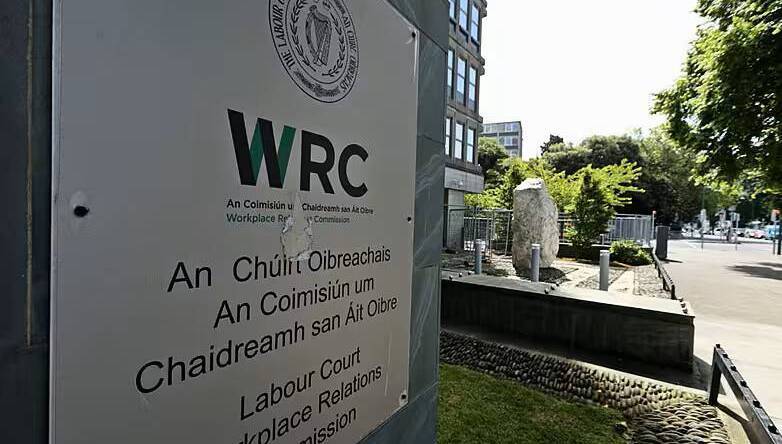
Valentine Jevardat De Fombelle took a case against TG Sporthorses Ltd where she worked as a yard rider/groom last year.
A horse trading firm based in Sligo has been ordered to pay a former staff member €4,565 over unpaid wages and excessive working hours, the Workplace Relations Commission (WRC) has ruled.
Valentine Jevardat De Fombelle took a case against TG Sporthorses Ltd where she worked as a yard rider/groom between the dates April 24 and August 15 last year.
According to the WRC, the complainant said she was not provided with payslips, despite requesting them from her employer so she could work out her hourly rate, and that she worked on average 60 hours a week including Sundays without receiving the requisite payment.
The complainant said her wage was €1,200 every four weeks, but the company said it could not keep up the payments on a four-weekly basis and instead moved to a monthly payment.
“She states that over three months, she was paid for 12 weeks work instead of 13 weeks,” the WRC said.
“The complainant submits that she is owed €2,815 in wages due to her by the respondent.”
The WRC said the respondent, TG Sporthorses Ltd, did not attend the meeting.
The WRC said the complaints relating to the minimum wage, Sunday working claim, payment of wages, and excessive hours under the organisation of Working Time Act to be well-founded.
It ordered the company to pay €2,815 in relation to unpaid wages, €750 in compensation relating to the breach of the Working Time Act, and €500 in compensation in each of the breaches of the minimum wage and Sunday working claim.
Read More
WRC adjudication officer Valarie Murtagh said based on the “uncontested evidence”, the complainant “did not receive the minimum hourly rate for the hours she worked”.
The WRC said the complainant provided evidence to substantiate her claim in respect of non-payment of wages owing to her.
“Based on the uncontested evidence of the complainant, I find that the respondent is in breach of the Payment of Wages Act,” Ms Murtagh said.
On the Sunday working claim, the complainant said she worked seven Sundays during her employment, but did not receive the requisite payment.
“I find that the complainant has demonstrated that the respondent is in breach of the act in respect of non-payment of premium for working Sundays. I find that this complaint is well-founded,” Ms Murtagh said.
On the excessive working hours claim, Ms Murtagh cited the legislation, which stated an employer shall not permit an employee to work, in each period of seven days, more than an average of 48 hours.
“Based on the uncontested evidence of the complainant, I find that the respondent is in breach of the act. I find that this complaint is well-founded,” Ms Murtagh said
CONNECT WITH US TODAY



Be the first to know the latest news and updates