AI tech giants hide dirty energy with outdated carbon accounting rules
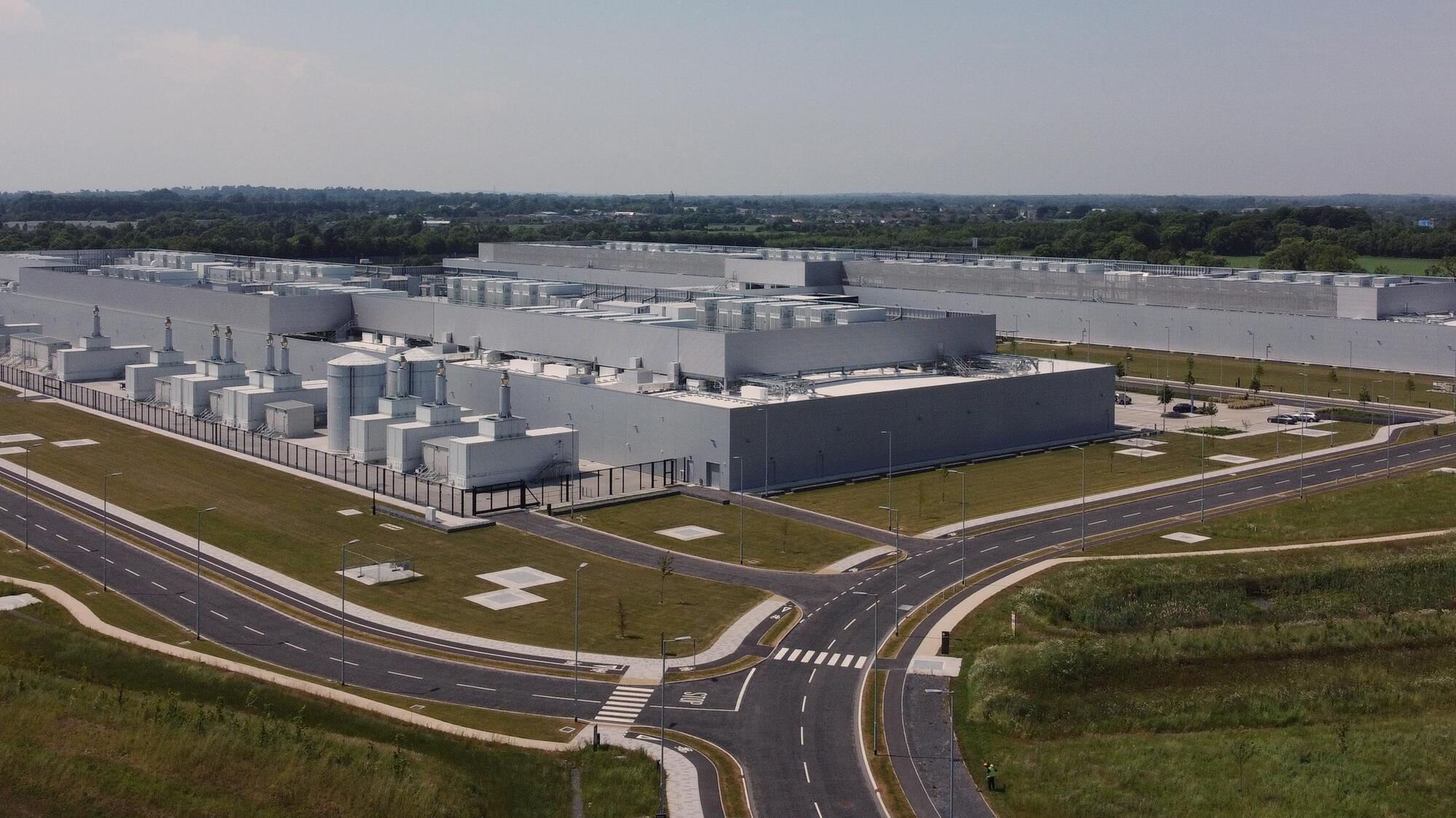
A spokesperson for Meta, which relied on unbundled RECs and power from utilities labelled 'green;' for 18% of its renewable energy, said the 'majority' of the company’s 'renewable energy efforts' are focused on projects that 'would not have otherwise been built'. Picture: Niall Carson/PA Wire
Tech companies’ relentless push into artificial intelligence (AI) is coming at an undisclosed cost to the planet.
Amazon, Microsoft and Meta are concealing their actual carbon footprints, buying credits tied to electricity use that inaccurately erase millions of tons of planet-warming emissions from their carbon accounts, a Bloomberg Green analysis finds.
Recently Microsoft reported that its emissions are 30% higher today than in 2020, when it set a goal to become carbon negative. Other tech companies’ emissions are rising, too.
However, Microsoft and other AI leaders insist that the increase is because of the carbon-intensive materials used to build data centres — cement, steel and microchips — and not because of the massive amount of energy AI requires. That’s because they have said the power is mostly or all from zero-carbon sources, such as solar and wind.
Is AI being powered exclusively by clean energy? “There is no physical reality for that claim,” said Michael Gillenwater, executive director of the Greenhouse Gas Management Institute.
Companies are buying credits — called unbundled renewable energy certificates (RECs) — that can make it seem that power consumed from a coal plant came from a solar farm instead.
Amazon, Microsoft and Meta rely on millions of unbundled RECs each year to claim emission reductions when making voluntary disclosures to CDP, a nonprofit that runs a global environmental reporting system.]
The current carbon accounting rules allow for the use of these credits for calculating a company’s carbon footprint. However, work that many academics have done shows the accounting rules need to be updated in order to accurately reflect greenhouse-gas emissions.
That’s because these carbon savings on paper are not actual emissions reductions in the atmosphere. If companies didn’t count unbundled RECs, Amazon could be forced to admit that its 2022 emissions are 8.5 million metric tons of CO2 higher than reported—that’s three times what the company disclosed and matches Mozambique’s annual impact.
Microsoft’s sum could be 3.3 million tons higher than the reported tally of 288,000 tons. And Meta’s reported footprint could grow by 740,000 tons from near zero.
“Companies shouldn’t be allowed to use unbundled RECs to claim emissions reductions,” said Silke Mooldijk, who focuses on corporate climate responsibility at the nonprofit NewClimate Institute. “It’s misleading to consumers and investors.”
Not all tech companies have gobbled up unbundled RECs to obscure the rising emissions that have resulted from the hotly-contested AI race. Alphabet’s Google phased out its use of unbundled RECs several years ago after acknowledging that it doesn’t amount to real emissions reductions.
“Studies have raised legitimate questions about whether [these credits] displace fossil-powered generation,” said Michael Terrell, senior director of energy and climate at Google.
A spokesperson for Meta, which relied on unbundled RECs and power from utilities labelled “green” for 18% of its renewable energy, said the company takes “a thoughtful approach” and that the “majority” of the company’s “renewable energy efforts” are focused on projects that “would not have otherwise been built.”
It’s a powerful marketing tool for these big tech companies, helping to allay concerns of potential customers who are themselves likely under pressure from users and investors to lower their own carbon footprints. In reality, it’s creating a cascading impact of misreported emissions and growing demand for energy-intensive AI products.
CONNECT WITH US TODAY



Be the first to know the latest news and updates