Cork boss of Tesco sees pay rise to £10.8m
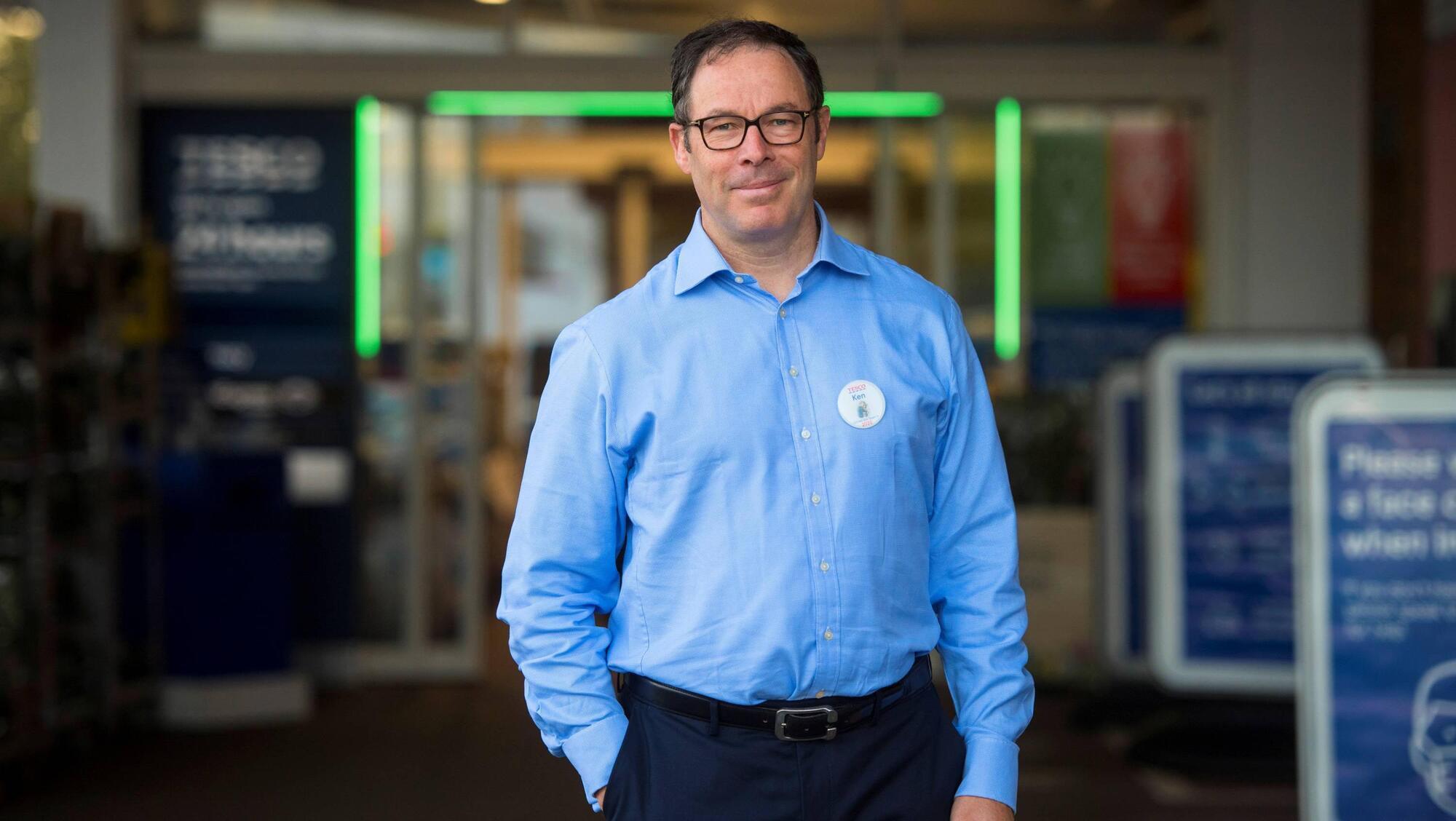
Tesco chief executive Ken Murphy could make even more this year after being handed a 3% rise in basic pay to £1.54m (€1.77m).
The boss of Tesco made £10.8m (€12.4m) last year, about £1m (€1.15m) more than the year before, as the UK’s biggest supermarket hit its highest share of the market in a decade.
Ken Murphy could make even more this year after being handed a 3% rise in basic pay to £1.54m (€1.77m), and cutting food waste was scrapped as a target for his long-term bonus, according to Tesco’s annual report.
Last year’s pay included £1.51m in basic pay, a £3.4m annual bonus and a £5.7m long-term bonus, which includes shares in the company.
Tesco takes more than £1 in every £4 spent on groceries in Britain, and has been helped by the weakness of rivals Asda and Morrisons.
Murphy’s long-term bonus was almost a quarter lower than the maximum possible as he failed to hit Tesco’s food waste target — which was to cut food waste by 50% by December. He was also awarded just one percentage point out of 8.3 on offer for diversity, equity and inclusion measures.
He did get the full amount linked to carbon reduction measures, such as introducing electric vehicles, and most of the reward that was linked to cashflow and earnings.
Tesco’s pay committee said it was removing the food waste target from the bonus scheme this year and replacing it with a target for market share.
The company is aiming to cut food waste across its own operations by 50% by 2030 against a 2017 baseline. By the end of last year it had cut waste by 24%.
Tesco said the target was “missed primarily following an internal review which showed that food in the UK we believed was being processed for animal feed, was in fact going to anaerobic digestion.
“While food waste continues to be an important part of our strategy, we feel confident that we will achieve our targeted 50% reduction (versus a 2017 baseline) by the completion of the 2025 [three-year long-term bonus] cycle,” wrote the committee.
“This gives us the opportunity to evolve the 2026 [three-year bonus] scheme to align to future strategic priorities, which will run to 2029.”

CONNECT WITH US TODAY



Be the first to know the latest news and updates