Workers cheer up as ‘Big Stay’ replaces ‘Great Resignation’
Employees are starting to see the positives in their current jobs and realise that faraway grass isn't as green as they'd thought
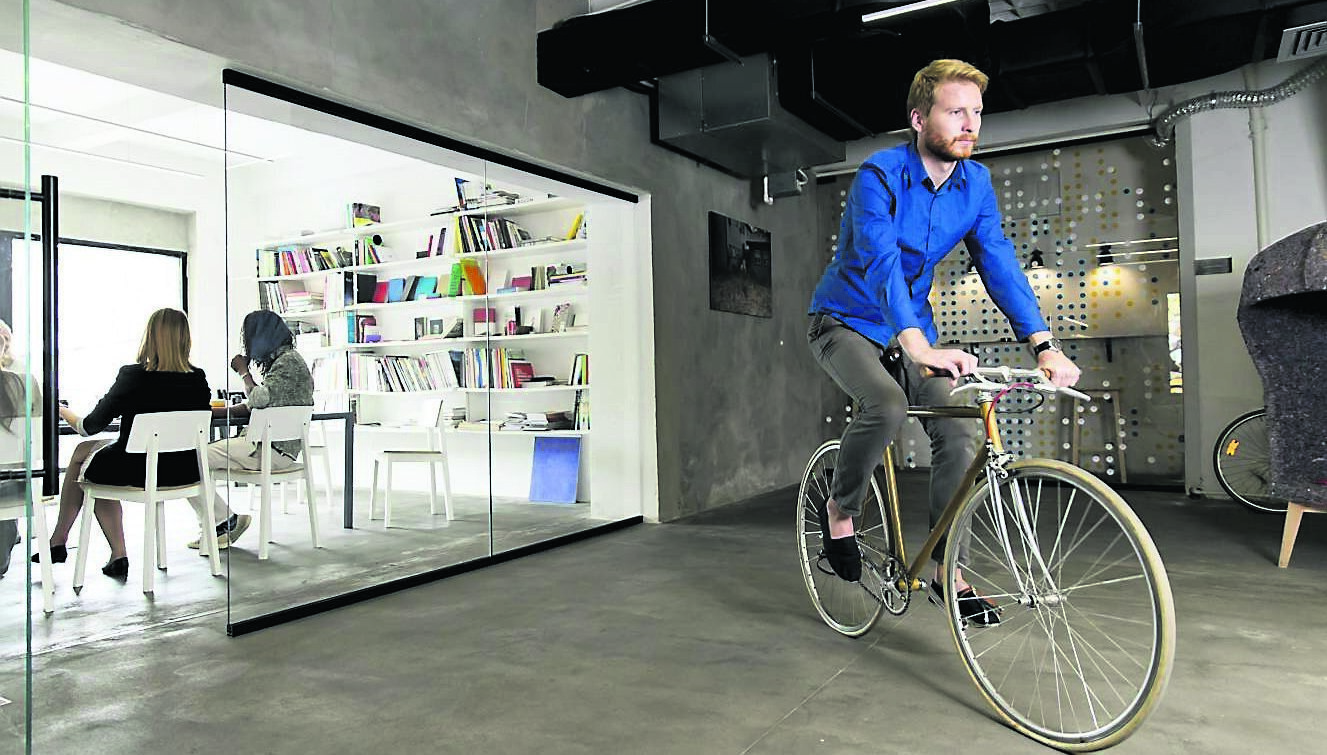
Business leaders are doing everything they can to promote work-life balance for staff, a significant benefit to emerge from the Covid-19 pandemic. Irish employers spend an estimated €100 to €200 per employee on wellness initiatives and benefits every year. Picture: iStock

Business leaders are doing everything they can to promote work-life balance for staff, a significant benefit to emerge from the Covid-19 pandemic. Irish employers spend an estimated €100 to €200 per employee on wellness initiatives and benefits every year. Picture: iStock

Suzanne Feeney, of recruitment firm Robert Walters, says want-away workers are settling back into their jobs after the disruptive Covid years. She talks to John Daly

Suzanne Feeney, country manager with recruitment firm Robert Walters.

For some professionals, the ‘Great Resignation’ that occurred post-Covid has become the ‘Big Stay’ as 36% of professionals admitted to  considering exploring new job opportunities.

A survey earlier this year of 2,000 professionals by global recruitment consultancy Robert Walters Group found that 69% were open to returning to their previous workplace, with 45% of this cohort saying that their current employer was no longer meeting their needs.

A third of these so-called ‘boomerang workers’ cited the cost-of-living crisis for changing how they feel about their employment situation, while a quarter of respondents blamed hybrid-working fatigue.

“Across 2021, we saw record pay rises offered to professionals, with promises of a flexible and hybrid culture,” said Suzanne Feeney, country manager Ireland at Robert Walters. “It appears that workers are realising the grass may not have been greener after all.”

Elaborating on the situation as 2023 winds down to year-end, Ms Feeney said that there will always be professional movement in the market.

“Last year was unusual in being very much a rebound year off the back of the pandemic. There was just so much hiring going on as many companies hadn’t had the opportunity to hire for a number of years. There was a lot of pent-up demand in the market.”

The post-pandemic bounce-back saw record numbers of employees leave their job in what was billed the ‘Great Resignation’. However, the research indicated the first signs of the ‘Great Regret’ — with a number of professionals stating that they would be willing to return to their pre-Covid employer, 18 months after leaving.

The ‘Great Resignation’ was a trend first noticed in the US, where so-called ‘quit levels’ rose in 2021 amid the disruption caused by Covid, with workers ditching unfulfilling jobs, seeking new challenges, and pursuing long-deferred dreams.

To some extent, what has been experienced this year is a levelling off and stabilising from the rebound factor that pertained in 2023.

“Everything points toward quarter one being quite active in terms of the jobs market, lots of new hiring as budgets are revised, devised and signed off at the moment.”

The workplace changes brought about by the pandemic, mainly in the form of hybrid working, remain part of the business landscape: “It gave everybody the experience of working from home, which in many cases hadn’t previously been an option on offer. What we are seeing now is the fact that most professionals want an element of that, that there is still some flexibility.

“We are seeing employers in a lot of sectors pushing for a minimum of three days back in the office. The hybrid-flexible conversation is still a very topical one, but the bubble might be beginning to burst a little bit on home working as companies try to maximise productivity in a different climate.”

While factors such as global turbulence and the rising cost of living play into career decisions made by professionals, the traditional ‘new year, new career’ mindset does still hold in certain cases.

“Anything to do with job moves and career change has to be a personal, individual decision, and so many different factors play into that. There will still be people that, come new year, want something new. After a Christmas break with family and friends, they may reflect on whether their current employer is fulfilling their needs.

“I think we will see professionals looking at what the market can offer them — and one trend that we are seeing is ‘purpose before profession’ for a lot of people.”

She does anticipate more sideways moves or professionals leaving for near enough the same salary, just depending on the actual nature of work that’s on offer.

“For Gen Z, there is a higher interest in organisational values — environmental, political and so on. For millennials, there may be greater interest in enhanced in leave and benefits — paternity and maternity. And then for older workers, maybe good health insurance and more remote working where they have a really good record.”

Despite Irish employers spending millions on wellness initiatives every year — increasing their spend by 20% since the pandemic - over half of professionals believe their employer is not doing enough to combat stress in the workplace.

When asked about what causes workplace stress, concerns over job stability were the most common trigger (45%), followed by more pressure from management (23%), lack of a pay rise (19%) and taking on a heftier workload this year (13%).

When asked whose responsibility it was to manage workplace stress — 45% of professionals said it was down to HR and senior leaders, followed by line managers (34%) — with only a fraction (20%) thinking it was down to the individual.

“Irish employers spend an estimated €100 to €200 per employee on wellness initiatives and benefits every year — but our survey indicates they may only be applying a band-aid. Employers must strike the balance between not breaking the bank or piling pressure onto managers to solve workplace stress, but still being proactive and listening to the needs of their employees.”

Long work hours, heavy workloads, tight deadlines, unclear job expectations, job insecurity, and conflicts with colleagues or supervisors are all factors that contribute to workplace stress.

“Workplace stress is something everyone in a business has a hand in creating — however it is down to senior leaders and HR to set the tone for how it is handled. Simple interventions such as making sure workloads are manageable, setting realistic deadlines and making sure employees have access to support, safe spaces and relevant resources, can all help to alleviate pressure in the workplace as well as professionals’ day-to-day work life,” she said.

x

More in this section

The Business Hub

Newsletter

News and analysis on business, money and jobs from Munster and beyond by our expert team of business writers.

Cookie Policy Privacy Policy Brand Safety FAQ Help Contact Us Terms and Conditions

© Examiner Echo Group Limited