Stocks hit as tensions escalate in Middle East
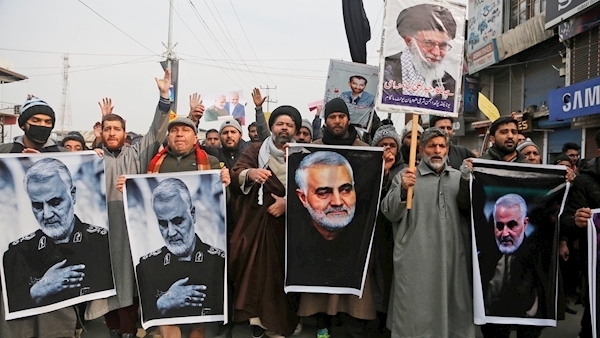
European shares slipped from near-record highs after the US airstrike in Iraq that killed a top Iranian commander increased tensions in the Middle East

Stocks hit as tensions escalate in Middle East

European shares slipped from near-record highs after the US airstrike in Iraq that killed a top Iranian commander increased tensions in the Middle East and spurred moves out of risk assets, while an oil-price surge hammered airline stocks.

Iran’s supreme leader Ayatollah Ali Khamenei vowed harsh revenge after Iranian Major General Qassem Soleimani, architect of the country’s spreading military influence in the Middle East, was killed in the airstrike at Baghdad Airport.

Leaders from many other countries urged restraint. Ken Odeluga, market analyst at City Index said: “As such, chances that a further escalation of tensions with Washington can be avoided, appear to be low.”

The pan-European Stoxx-600 index was down 0.3%, with German shares having their worst day in a month as Lufthansa slumped 6.5%.

Along with losses in airlines Air France and EasyJet, Europe’s travel and leisure sector shed 1.6%, on fuel price concerns as oil prices jumped by more than 3%. This lifted the regional energy sector index to seven-week highs, which tied in with a weaker pound to help London’s Ftse Index buck the trend.

“Even if we hear nothing over the weekend, the events have shown that this is a complex geopolitical situation and the ongoing uncertainty will have to be dealt with for a while,” said Ingo Schachel, head of equity research at Commerzbank.

Global financial markets had started the new decade on a high note on improving US-China trade relations, further monetary easing in China, and a brightening economic outlook.

But new data showed that unemployment in Germany rose more than was forecast expected in December, while US manufacturing for the same period suffered a larger dip than was expected.

The yen strengthened, gold hit its highest level in four months, and the yield on 10-year treasuries looked poised for a big drop as government bonds rallied.

The escalation of tensions could “dash market hopes for a rebound of the global economy that is still to emerge from under the cloud of the US-China trade war,” said Credit Agricole analyst Valentin Marinov. “Risk sentiment should remain fragile also because central banks may be slow to respond or simply no longer have the arsenal to respond in an adequate way.”

Wei Li at BlackRock said: “Within the space of 24 hours, sentiment took a 180-degree turn. This very much characterises the sort of year we expect 2020 to be — on the one hand, fundamentals are getting a bit better, trade headlines are getting a bit better, but on the other hand, bouts of volatility will be frequent.”

Societe Generale analyst Kit Juckes said: “Gold’s a winner as tension increases, and oil prices are higher too. Bond yields are lower, the equity rally which was under way in the US has stalled, but not gone dramatically in reverse, and in the foreign exchange market, safe havens and oil-sensitive currencies benefit but it’s the yen which is the clear winner... Given the scope for tension to persist in the Strait of Hormuz, a protracted period of higher oil prices has to be a risk.”

Colombo Wealth’s Alberto Tocchio said: “The ‘severe retaliation’ aspect is possibly what is scaring the markets as it could mean that there will be a counterattack versus American diplomats. Markets could use this excuse to take some profits as sentiment and positioning are possibly too high."

Reuters and Bloomberg

x

More in this section

The Business Hub

Newsletter

News and analysis on business, money and jobs from Munster and beyond by our expert team of business writers.

Cookie Policy Privacy Policy Brand Safety FAQ Help Contact Us Terms and Conditions

© Examiner Echo Group Limited