Booking a holiday? Here's how to avoid scam websites, lost deposits and missed flights
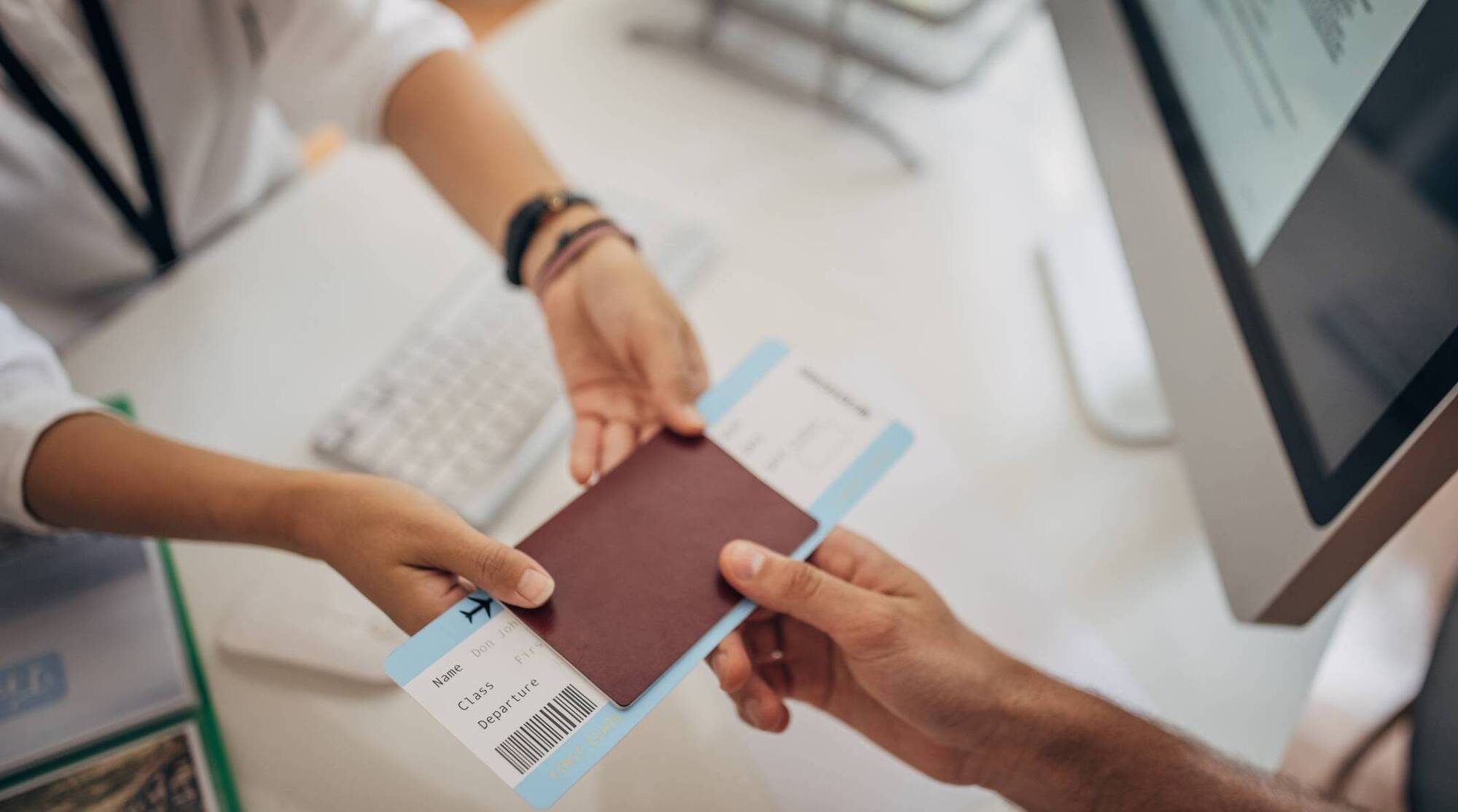
If something goes wrong on your trip, the package holiday provider must fix the problem. File photo
There’s nothing like booking your summer holiday to help lift the January gloom, but new research from the Competition and Consumer Protection Commission (CCPC) reveals that 16% of Irish holidaymakers experienced issues with foreign holidays between May and August last year.
The research also showed that holidaymakers spent almost €2,500 on flights and accommodation, so it pays to know your rights, just in case something does go wrong. Because this is such a popular time to plan a holiday, the CCPC is warning consumers to expect the unexpected — not just while away — but also in the period before their holiday.
Just to put all this in context, in 2025, the CCPC helpline received almost 2,700 contacts about travel related issues. Here’s a sample of the kinds of things that came up:
“When I picked this hotel there was a photo with a beautiful beach which was the only reason I booked it – it was a 4-hour round trip from the beach to the hotel!”
“My son and his friends decided to rent a villa in Ibiza through what looked to be a legitimate website. He ended up paying over €4,000 to secure the booking. It turned out to be a scam.”
“The airline lost my suitcase for my skiing trip in Switzerland. I paid for two lessons, but I couldn’t go because I didn’t have my ski gear.”
“I booked a package holiday to Spain and had been paying it off in installments. I missed a payment and now my holiday is cancelled, and my deposit is gone.”
“I booked a flight to Wales to attend an event. My flight has been rescheduled to a later time meaning that I will miss it.”
It’s also interesting to note that one in three holidaymakers travelled without insurance, and almost half of under-35s were not covered by travel insurance. Just one in 10 bought insurance after they bought their holiday.
Orla Delargy, deputy director of communications at the CCPC is particularly concerned about the under-insurance issue. She points out that the average spend of €2,500 is no small amount of money.
“Travellers should think about potential pitfalls that could ruin their plans. Three in five of those who travelled abroad either have insurance or buy it with the holiday. If you’re travelling uninsured you need to expect the unexpected, and bear in mind that late insurance purchase may not cover you for some events.”
Here’s the key piece of advice: time spent on research is time well spent and could save you money. Check up on who you are booking with. Is that holiday letting website legit? Have you heard of that travel agent? Check online reviews before you pay anybody anything.
Be particularly careful if you’re booking an apartment or house to rent abroad. Don’t make payments directly to the landlord — make sure you pay through the booking website only. Also don’t make payments through bank transfer — use your credit or debit card instead.
Holiday accommodation scams usually follow this pattern:
- You spot a property you like on a rental platform or online and get in contact about renting the property.
- The scammer will tell you that it’s in high demand and you need to send a deposit quickly to secure it.
- They’ll often ask for money to be paid outside of the booking website’s platform.
- Once payment goes through, the ‘landlord’ disappears with the money and all communication ends abruptly.
Often, the victims don’t find out they’ve been scammed until they get to the destination and find that the keys in the lockbox don’t work, or there are people already living in the place they’re supposed to have booked for the week.
Contact your bank or credit card company immediately if you have transferred money online or given your bank details to someone you shouldn’t have. Your bank can cancel your cards and secure your account.
You may also be able to get the transaction reversed through a chargeback from your card provider.
You have enhanced protection if you book a package holiday, which is a booking that includes at least two different travel services (transport, accommodation, car hire, guided tours etc).
The two or more travel services must be quoted as a single price. It must be at least 24 hours long or involve at least one overnight stay.
If something goes wrong on your trip, the package holiday provider must fix the problem. If they don’t and you’re forced to make alternative arrangements at your own expense, the package provider should refund your expenses.
Failure to do so within a reasonable amount of time gives you the right to terminate the package holiday contract. You’re also protected if the company goes out of business.
Next on the list? Travel insurance. Shop around to get the best deal and the right cover. If you already have health insurance, check if it covers getting sick abroad.
If you’re travelling in the EU, be sure to bring your European Health Insurance Card. Don’t have one? Do a search online and apply. It’s free, and though it’s not a substitute for travel insurance, it does allow you to access free or reduced-cost healthcare in the EU.
Note too that it’s particularly important to have travel insurance if you are travelling outside the EU/UK.
Travel insurance may cover you if you need to cancel your holiday or become sick while you’re away. It may even compensate you for lost luggage. But policies vary, so you need to check what is covered.
If you have a pre-existing health condition, or you plan on taking part in risky activities like skiing, be sure to double check whether or not you’re covered.
Travel agents and tour operators often sell travel insurance as part of a package. You don’t have to take this insurance, but they can insist on you having a certain level of cover in place to take a package holiday.
You may be able to get better value by buying your travel insurance from another provider. This is worth considering if you will need travel insurance again later in the year.
When you’re booking your holiday, whether it’s a package holiday or separate flights and accommodation, take some time to read the terms and conditions of your booking. Pay particular attention to cancellation policies. What happens if you cannot go, or have to change your booking?
Also, check any terms that give the company the right to make changes to the details of your booking. If you are being charged a deposit, find out what conditions apply to it.
CONNECT WITH US TODAY



Be the first to know the latest news and updates