Exports grow despite cost concerns over UK's Brexit vote
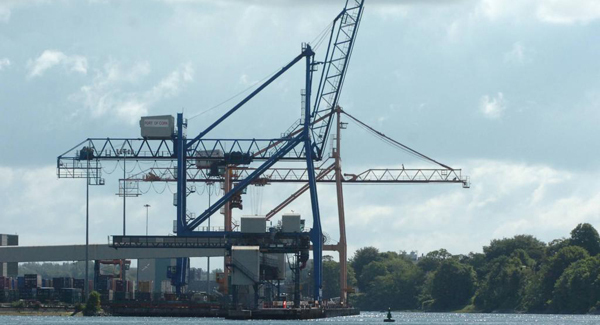
Figures provided by the Irish Exporters Association (IEA) show 62% of exporters increased their sales into overseas markets while 50% of companies also increased their workforce in the opening months of the year.
A third of businesses saw no change in exports while just 8% reported a drop.
The positive results contained in the IEA’s quarterly report come despite the lingering uncertainty ahead of the UK’s Brexit vote, a period of political uncertainty domestically and a strengthening euro.
IEA chief executive Simon McKeever said negative foreign exchange movements are just one factor to be wary of in terms of rising business costs.
“The underlying problem that we see throughout this review is cost competitiveness. Firstly, the impending referendum in the UK is having an impact, 63% of respondents are transacting in sterling and 50% have said that sterling fluctuation has negatively impacted their financial performance in the last quarter, yet 73% are not hedging this risk.
“Secondly, the rising costs of doing business in Ireland were cited by 15% of members as one of the biggest challenges currently facing them.
“Looking closer at where increased costs were felt, we specifically see that insurance, exchange rates, labour, and regulatory costs are the biggest offenders,” Mr McKeever said.
More than two-thirds of businesses identified rising insurance costs as the biggest contributor to the cost of doing business in Ireland, followed by exchange rates (64%) and labour costs (56%).
Attracting suitable talent is another area of concern for exporters with many claiming to have had difficulty in this area.
Some 44% of those surveyed by the IEA reported difficulty in finding candidates that met the minimum criteria for vacancies.

CONNECT WITH US TODAY



Be the first to know the latest news and updates