The 'just do it' model of leadership isn't delivering for patients or consultants
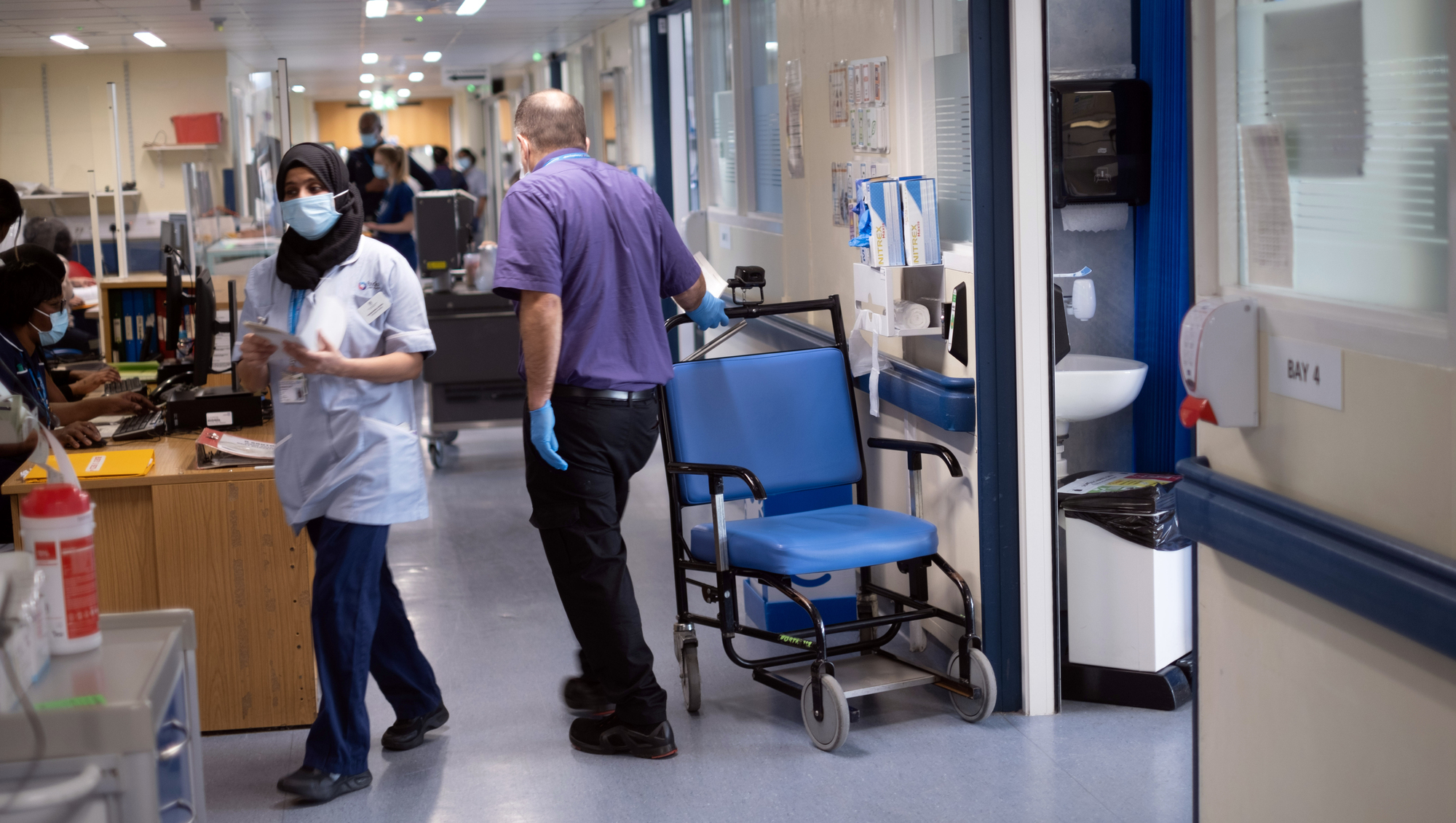
The Nike “just do it” model of leadership demonstrated by the Department of Health in the past 18 months has had a very negative impact on morale across our HSE hospitals. File picture
Our ageing population is a triumph of the impact of our increasing wealth as a nation over the last four decades.
Unfortunately because we have not invested adequately in public health prevention measures, we face a very high burden of chronic disease in the group of people approaching later life at this time.
For current generations we face the double cost of needing to fund the expensive care of chronic disease while also investing in prevention of these same conditions across the younger generations. It is against this background that our historic lack of consultants impacts our ability to provide care to meet need.
Ten years ago we had half the number of consultants of the European average. We now have one third less. In real terms this means that where most EU countries have approximately three consultants for every 1,000 people, we have just under two.
This impacts everything from how we provide emergency care and how we staff our outpatient clinics to how we train the next generation of doctors.
The Nike “just do it” model of leadership demonstrated by the Department of Health in the past 18 months has had a very negative impact on consultant and executive morale across our HSE hospitals.
Our surveys, similar to those of the Irish Medical Council workforce intelligence report launched last week, demonstrate that far from under working their contractual commitment, 41% of consultants are working an extra seven hours each week and one in four are doing in excess of 10 extra hours per week.
This adds up to much additional care for patients but at the risk of excess workloads and burnout.
Stating that consultants providing elective/routine care on Saturday is the key to addressing our capacity deficits is a simple solution to a complex problem that simply doesn’t deliver.
Lazy commentary that this “isn’t about consultant work life balance” miss the very real negative impact of consultant burnout on quality of patient care and safety. We cannot roster our way out of a deficit of consultants.
What we can do, and what is happening, is that we are progressively recruiting more consultants over time and we can work together to deliver that capacity in the best way for the patients of a particular hospital and community.
I am clearly stating here that for those additional consultants to deliver every day of the week, we need capital investment in capacity in both people and infrastructure as well as immediate delivery of the electronic health care shared care record.
We in the IHCA agree wholeheartedly with the minister that consultants' onsite presence at weekends has a huge impact on patient experience and patient flow. We want to see more consultants rostered on Saturday.
For this to be effective for patients and productivity there needs to be a replacement for those consultants on Monday, when the Saturday consultant will be rostered off. Otherwise we have robbed Peter to pay Paul and our patients are worse off.
Some departments are staffed to do this additional Saturday work and are doing it. This is progress. It may be slower than we would like, but it is happening. For someone in my speciality (radiology) to be effective at weekends, there must be a team of specialist radiographers and nurses as well as consultants.
Some colleagues in specialties such as dermatology and ophthalmology inform me that a consultant with an appropriate clinic room and an administrator to support them can deliver excellent care.
The key is collaboration; consultants, like all healthcare workers, want to deliver for our patients and we are very well placed to provide the solutions to the blockages to care we see on a daily basis.
Weekend ward rounds have a significant positive impact on patient care but in our smaller hospitals, some with as few as four or five medical consultants, without additional consultants this is simply not possible without reducing capacity during the week, where the presence of the full multidisciplinary team enables more productivity.
This is where we box smart and use the levers we have not yet optimised such as criteria-led discharge. Simply put; not all patients need to be deemed fit for discharge by a consultant.
Forward planning provides set criteria that, if met, allow for patient discharge to optimise patient flow and use of consultant capacity. This should be rolled out across all our hospitals with immediate effect.
Where to now? Healthcare is complex. Changing it for the better requires all of us charged with delivering it to listen, collaborate and deliver together. The IHCA stands ready to play our part.
So what is winning for us? No consultant burning out from excessive workloads and no patient waiting longer than six weeks for excellent care.
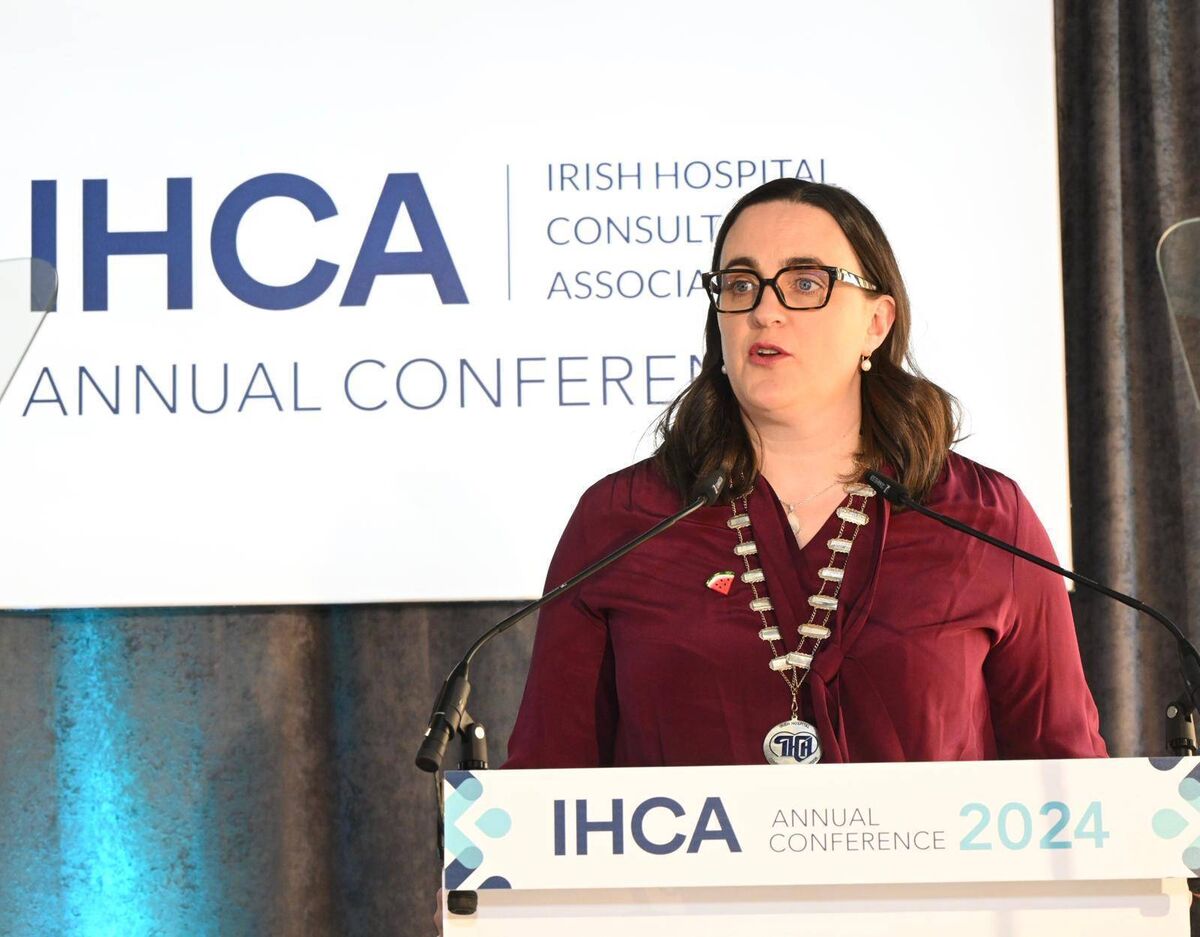
- Professor Gabrielle Colleran is president of the Irish Hospital Consultants Association.
CONNECT WITH US TODAY



Be the first to know the latest news and updates