Asylum fingerprint matches in Ireland rise sharply despite 30% drop in applications
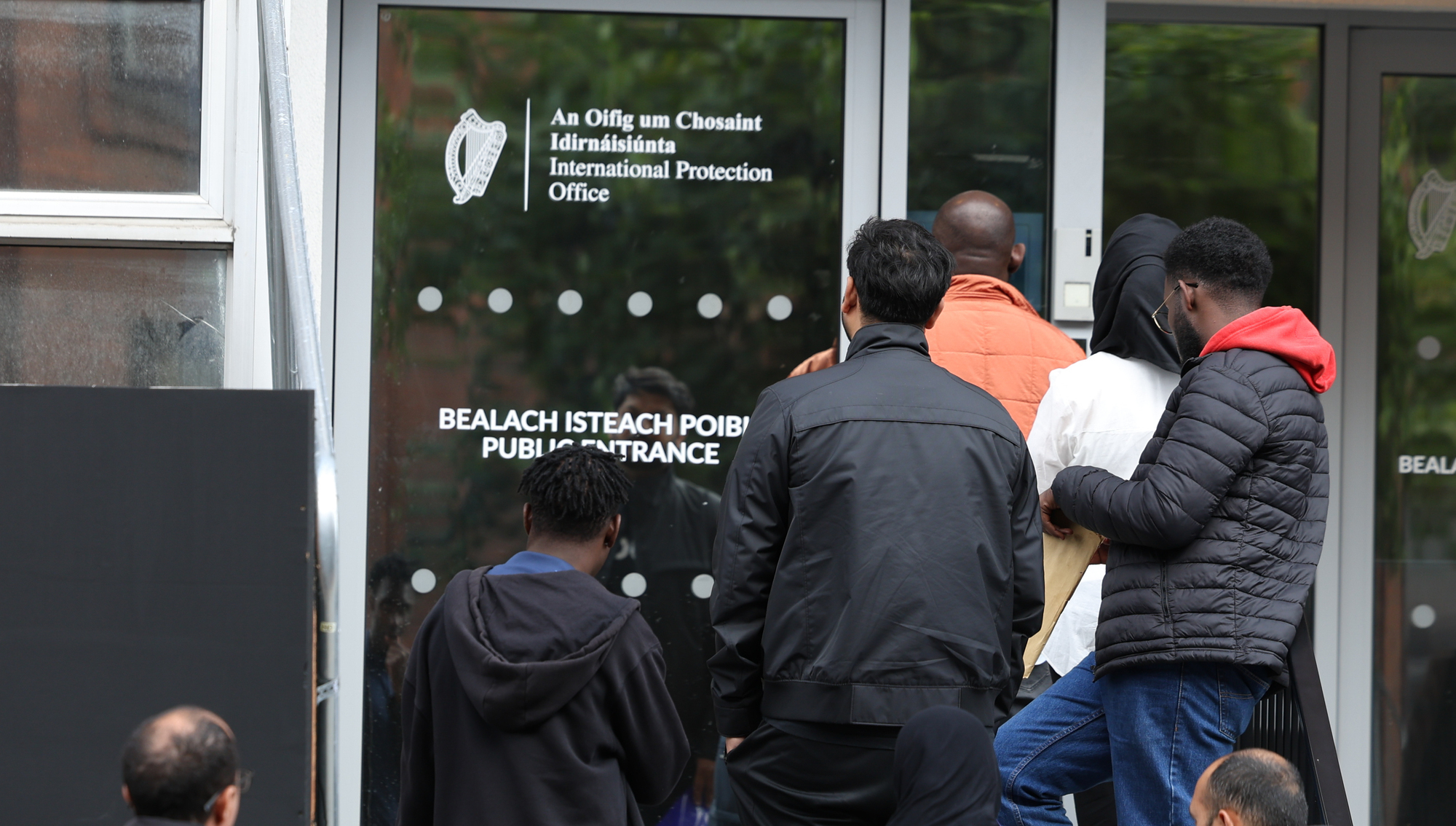
Numbers seeking asylum here last year dropped to 13,160, from 18,561 in 2024 File picture: Leah Farrell / RollingNews.ie
The number of asylum applicants in Ireland flagged on a European fingerprint database surged by almost 50% last year, despite a sharp fall in the numbers seeking international protection.
Figures from the Department of Justice show there were 2,315 ‘hits’ on Eurodac last year, compared to 1,558 in 2024.
A ‘hit’ on the database shows an applicant previously applied for international protection elsewhere in the EU, or crossed irregularly into another member state.
It can lead to an asylum application being deemed inadmissible or discussions with another EU state over who should deal with the case.
Of last year’s total, 384 had a “marked” hit, showing they had already been granted international protection elsewhere in the EU.
That figure was up from 297 in 2024.
Successful applicants will sometimes seek asylum in a different country to be reunited with family, because of poor accommodation or homelessness, or in the hope Ireland might offer a better life for them.
The department said there had been 1,527 matches on the Eurodac database in the first half of this year.
Of those, 257 were ‘marked’, where the person already had asylum status in another EU state.
For 2025, about 17% of the 2,315 total fingerprint ‘hits’ involved individuals who had successfully applied for international protection elsewhere.
In 2024, the proportion was even higher — with about 20% of matches involving people granted asylum.
Read More
The Department of Justice said it could not provide a breakdown of the data by nationality.
The large increase in matches on the EU fingerprint system came against the backdrop of a decline in overall numbers seeking asylum.
In 2024, there were 18,561 applications, but that dropped almost 30%, to 13,160, in 2025.
Separate figures from the Department of Justice show there were 311 cases of what are called “inadmissible decisions” in the first half of this year.
These are cases where the person has already been granted international protection in another member state and the Irish authorities do not need to examine the substance of the asylum claim.
There were a further 390 inadmissible decisions in 2025 and 158 in 2024.
Asked about the figures, a Department of Justice spokesperson said establishing a person’s identity and nationality was a key part of the Irish immigration process.
They said: “All applicants who enter the international protection process are fingerprinted and photographed.
“These fingerprints are checked against Eurodac, an EU database which stores the fingerprints of asylum applicants and those who have been found to cross borders illegally.”
The spokesperson said the increase in the number of inadmissible decisions partly reflected the introduction of “an expedited inadmissibility process” in 2024.
They said this had significantly reduced processing times and led to a substantial increase in the number of decisions being made.
The department’s spokesperson also said the Dublin Regulation system for dealing with a person who made asylum applications in more than one member state was “challenging.”
They said: “Member states have found significant problems with the Dublin Regulation, including the lack of consistent implementation across the member states and … shortcomings with the design of the regulation [that] have made it difficult to achieve its objectives.”
CONNECT WITH US TODAY



Be the first to know the latest news and updates