Slow growth of UK wages could delay interest rate hike
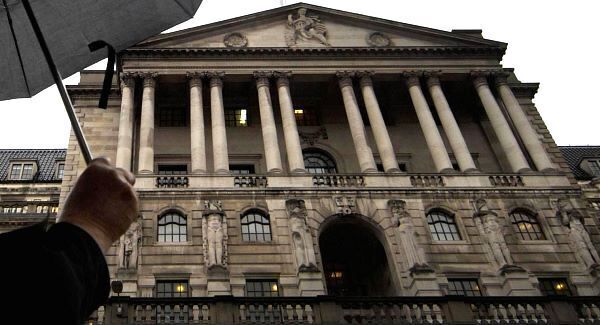
Investors took the weak wage data as a sign that the Bank of England would not be matching the US any time soon as the Federal Reserve started on its rate-hiking cycle.
The UK Office for National Statistics said regular earnings of workers — excluding bonuses — rose 2% in the three months to October, its slowest since the three months to February.
It was weaker than a median forecast of 2.3% in a Reuters poll of economists.
Including bonuses, earnings growth also slowed to 2.4% down from 3% in the three months to September, the statistics office said.
The slowdown contrasted with strong job creation and a surprise fall in Britain’s unemployment rate and added to the mixed signals coming from the labour market that have puzzled Bank of England governor Mark Carney and his fellow policymakers.
In Ireland, Investec Ireland chief economist Philip O’Sullivan said after the crisis here that average weekly earnings, led by the private sector, have risen at a year-on-year rate of 2.7%.
Some areas, including information technology, haulage and financial services have risen strongly.
Next year, wages here are likely to continue to grow, he said.
“The [UK] economy is robust, jobs growth is strong, but there is no wage inflation,” Alan Clarke, an economist at Scotiabank, told clients.
Dominic Bryant, an economist at BNP Paribas, said the slowdown in wage growth meant the Bank of England might not start to raise interest rates in May, as he has been predicting.
The Bank of England said last week that if wages were slowing because near-zero inflation was helping employers to give only small increases, this drag was likely to be short-lived with consumer prices expected to start rising again soon.
Mr Carney has said he would like to see earnings growth moving above 3% a year before he would support a rate hike.
In the month of October alone, regular wages rose by 1.7%, the slowest increase since January. Investors paid little attention to other, stronger-looking details of yesterday’s data.
Britain’s unemployment rate fell to a new seven-year low of 5.2%, the statistics office said. Joblessness had been expected to remain at 5.3%.
The statistics office also said the number of people in employment rose by the biggest amount since the three months to February, jumping by 207,000 and taking the employment rate to 73.9%, the highest since records began in 1971.
The number of unemployed people fell by 110,000, the biggest fall since the three months to September of last year. n Reuters and Irish Examiner staff
CONNECT WITH US TODAY



Be the first to know the latest news and updates