German policy has ‘double standards’
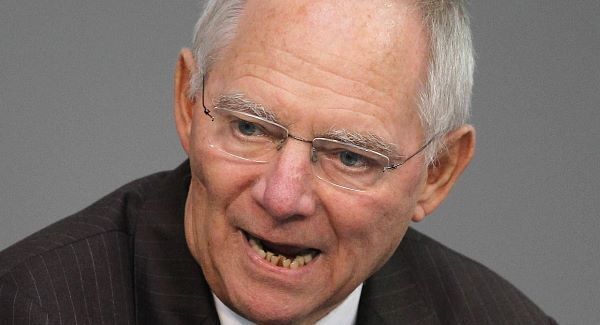
“Germany was the role model for the ECB but this is no longer the case because we have stepped back from reforms. German policy making is now contrary to what other countries have to do,” said Benjamin Weigert, Secretary General of the German Council of Economic Experts.
In the early part of the last decade, the German government introduced a series of painful reforms, particularly in the labour market. This included deregulating many parts of employment law.

Speaking at a conference organised by the Institute of International and European Affairs (IIEA) in Dublin, Mr Weigert said a sizeable cohort of German citizens and politicians now believed that these reforms had nothing to do with the improved economic performance in the second half of the last decade.
Moreover, they blame these reforms for growing inequality. But this view is not supported by facts, said Mr Weigert. Income and household inequality have been broadly stable over the past decade, he said.
The German Council of Economic Experts, also know as the Council of Wise Men, is a very influential independent body set up to advise the government on policy.
The German government is now rowing back on many of the reforms it introduced. Yet these are the reforms Berlin wants France, Italy and other eurozone countries to implement, said Mr Weigert.
At the weekend G20 Summit in Australia, members urged the eurozone to boost demand. ECB president Mario Draghi at the bank’s last monthly meeting, pleaded with member states with room for fiscal expansion to do so.