Government discipline and consumer confidence ‘key to Irish growth levels’
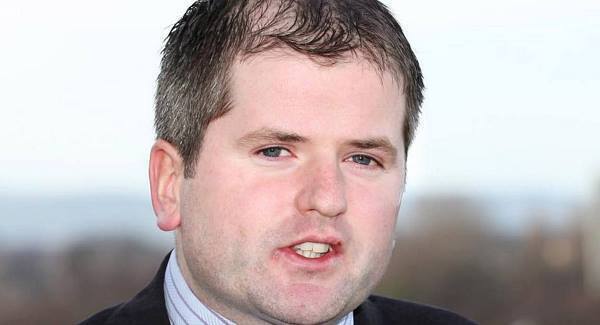
Chief economist Dermot O’Leary said Irish GDP data is failing to tell the story of the Irish recovery due to the distortions of multinational exporters based here.
“This does not tell the full story,” said Mr O’Leary. “It is true to say that Ireland’s recovery is slow and protracted, but the GDP data hide some more encouraging trends in 2013. We are seeing a broad-based recovery in investment in the domestic economy.”
Goodbody’s highlighted seven indicators for investors to monitor to see if the Government can maintain the trend towards growth.
They are: Can Government stick to the reform without scrutiny from the troika?; Economic growth developments; Continued debate about Ireland’s corporate tax regime; Banking issues such as Europe-wide stress tests, mortgage arrears, lending growth, and selling off of the bank stakes; the property cycle; the sovereign’s return to bond markets; and can the consumer make a return?
Goodbody’s said the Government will require discipline to tackle the opening up of sheltered sectors across the economy, particularly in the run-up to the general election in 2016.
In terms of growth, Mr O’Leary said the country has been “quite uncomfortable” with being picked out as a poster child for states in the EU/IMF programme. The unease was due to the growth coming purely from net exports.
Net export figures are set to be hit by the patent cliff, which will have a disproportionate impact on GDP figures. However, services exports have quietly expanded to account to more than 53% of Irish exports and should grow further.
A concern that remains is the state of the Irish banking system and whether or not it has recovered from the financial crisis yet.
“The real ties of whether the banking system is back to full health is whether is has got a handle on its non-performing loans and that gross lending has returned to somewhat normal levels,” said Mr O’Leary. “Both statement cannot be made at this point, so banking will remain a key issue in 2014,”
The property cycle will feed into the health of the banks, with a recovery in prices helping iron out some of the problems presented by negative equity.
If more people were willing to sell, it may alleviate the shortage of supply in the system. As it stands, there is insufficient stock to maintain pace with household formation. Goodbody’s believe there will be a need for 20,000 houses a year between 2016 and 2021.
Despite the other factors, a key question is whether consumers will be confident enough to loosen the purse strings. While confidence is rising, an number of factors, including austerity and high levels of debts, will only lead to a 1% increase in consumption in 2014.