David McNamara: UK showing signs of life amid moribund European economy
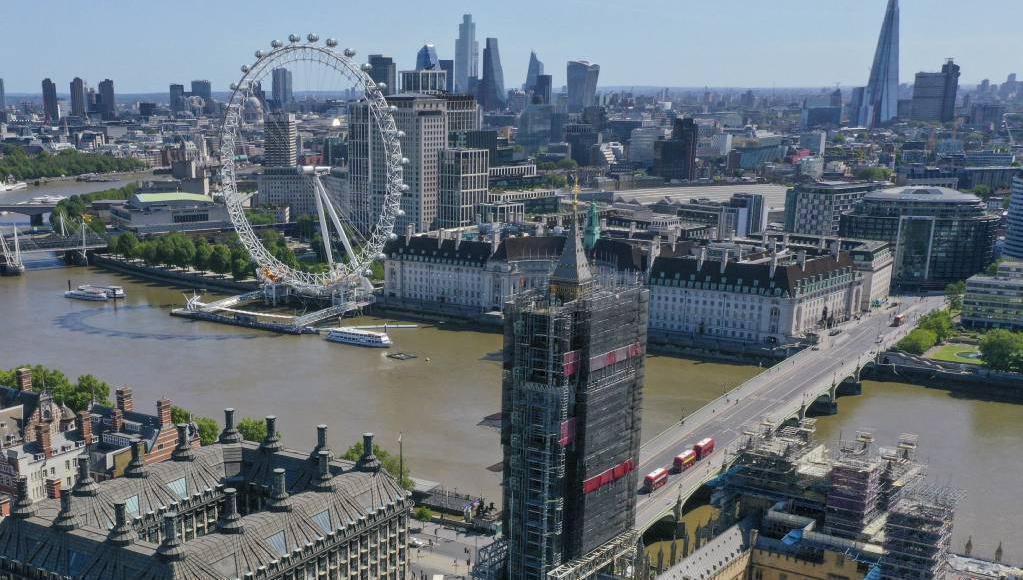
The latest GDP data put the UK towards the top of the G7 growth tables in 2026.

In the 1970s, the UK was often referred to as the “Sick Man of Europe”, as low productivity, industrial unrest and a cost-of-living crisis crippled the economy.
By the 1990s, the label had been passed to Germany, amid a prolonged economic downturn caused by industrial stagnation. A dose of privatisation and deregulation proved to be a painful but successful remedy for the UK in the 1980s, while labour market reforms are often cited as curing the German economic malaise in the 2000s.
However, Europe’s two largest economies have struggled once again in recent years. Nonetheless, of late, while Germany continues to flatline, recent UK data suggest the economy there has been more resilient than expected in 2026.
Growth has been moribund across Europe since the pandemic. UK GDP is roughly 3% larger now than it was at the end of 2019, with Brexit and the pandemic dealing blows to the economy.
The German performance has been even worse; the economy has grown by just 0.3% since 2019. Industrial production has been battered by the cessation of access to cheap Russian gas and competition from China, which has upended the business model of Germany’s exporters.
For comparison, the US economy has grown by roughly 13.0% in size. Worryingly, the recent spike in energy prices amid the war in the Middle East is expected to raise inflation, dampen consumption and weigh on growth in both countries this year.
The OECD is forecasting that GDP will expand by around 1% this year and in 2027 in both economies.
Furthermore, the uncertain political environment in both has acted as a headwind. The UK is now onto its sixth prime minister in 10 years with the Labour government continuing to underperform in the polls.
German chancellor Merz is also facing pressure, with his CDU party behind the populist-right AFD in the opinion polls.
In Germany, the CDU initially pushed through significant constitutional changes to enable investment in infrastructure and defence in 2025. However, the pace of rollout has been criticised, creating a sense that the government has over-promised and under-delivered.
New UK PM Andy Burnham has promised a renewed focus on devolution and cost-of-living measures.
Indeed, there are tentative signs that his economic inheritance may be better than initially feared, with the latest GDP data putting the UK towards the top of the G7 growth tables in 2026, which, if sustained, could smooth the path ahead for the new prime minister.
The German government has launched a “Summer of Reform”, introducing over 30 measures aimed at cutting red tape, capping healthcare and pensions costs, making the labour market more flexible, and providing some financial relief for lower-income households.
In short, a package to try and restore competitiveness. Whether this will be a successful tonic for the German economy remains unclear.
In the UK, outside of the piecemeal measures announced so far, Burnham’s major “10-year plan for Britain” will have to wait until the autumn, when the fiscal rubber will hit the road in the October budget.
- David McNamara is chief economist at AIB