Housing completions taking nearly twice as long as a decade ago, Central Bank says
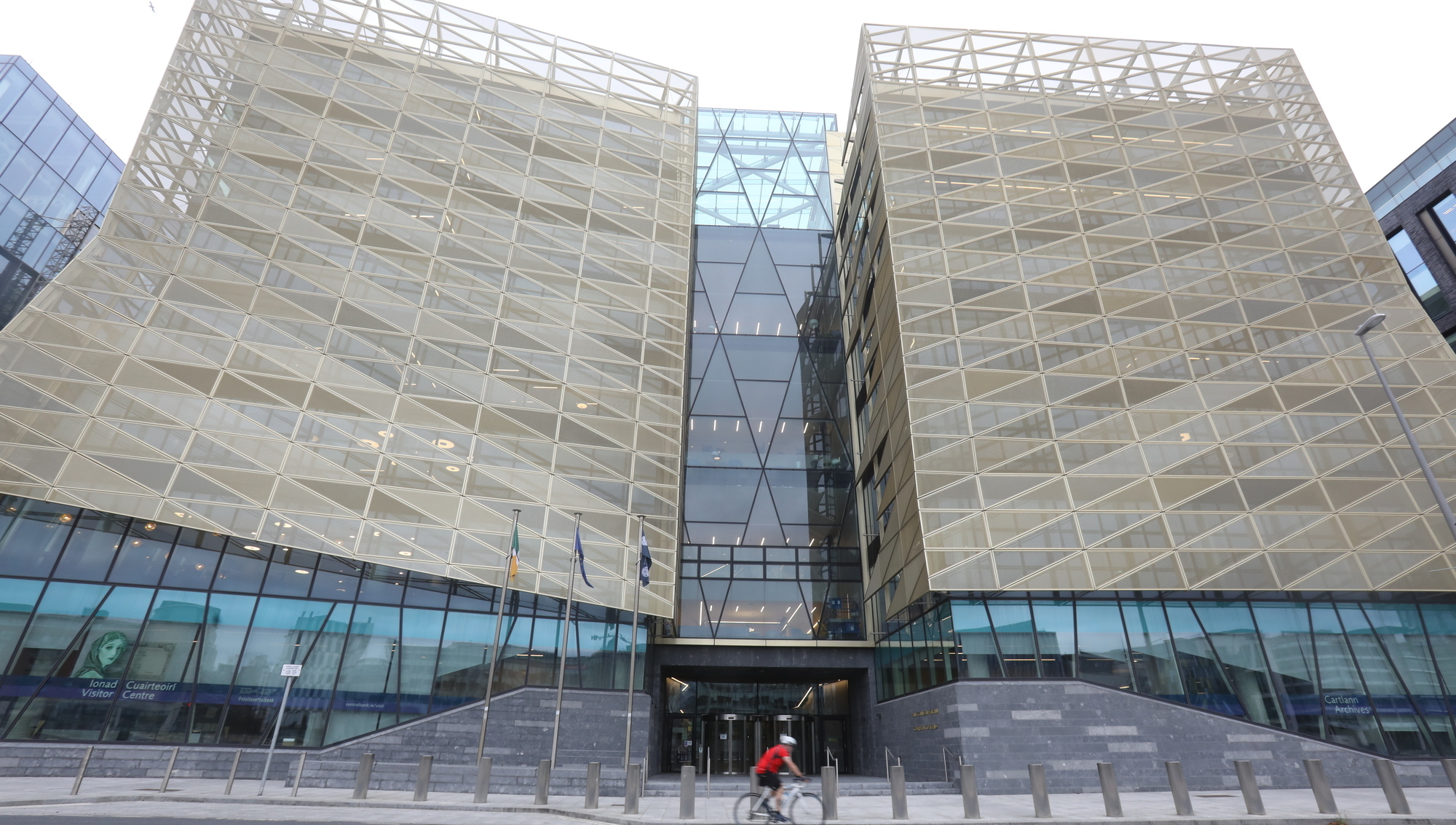
Central Bank of Ireland: 'One-off houses and apartments now take around two-and-a-half times as long as in 2017 and scheme housing nearly twice as long.'
The time it takes to complete a new home is taking on average nearly twice as long as it did 10 years ago with one-off and apartment complexes taking even longer, a new analysis by the Central Bank of Ireland has found.
The analysis was published as part of the bank’s quarterly economic bulletin which forecast housing completions to reach 39,500 this year, 41,000 next year and 45,000 in 2028.
“For this year, while quarter two completions fell by 3.6% year-on-year to 8,823 and the outturn was weaker than anticipated, growth in the second half of the year is likely to pick up as firms aim to meet the deadline for conditions set out in the development levy and Uisce Éireann rebate,” the bulletin said.
“However, longer building times and uncertainty around infrastructure means that some of the uncommenced permissions are unlikely to result in final completions in the timeline of the forecast horizon.”
The Central Bank’s analysis found that homes completed in 2016 took a median of 21 to 26 months depending on build type; those completed so far in 2026 took 44 to 50 months.
“One-off houses and apartments now take around two-and-a-half times as long as in 2017 and scheme housing nearly twice as long. The rise is gradual and continuous rather than a break at any single date,” the Central Bank said.
The Central Bank said that the timely implementation of reforms to the housing sector to speed up delivery is required.
As part of the bulletin, the Central Bank is forecasting modified domestic demand to grow by 3.8% this year — a modest upward revision from the previous bulletin — and by 3.4% next year supported by resilient consumer spending and multinational investment.
The unemployment rate is expected to average 5.1% this year and next year.
However, inflation is expected to average at 3.4% this year, moderate to 3.1% next year and fall to 2% in 2028.
The Central Bank noted that the US-Iran conflict has led to higher energy prices and overall inflation but “along with these externally determined price pressures, domestic services inflation remains elevated”.
“Risks to the inflation outlook are to the upside, stemming from the potential for a prolongation of geopolitical tensions in the Middle East. In a severe scenario involving significantly higher international oil and gas prices, headline inflation could be over two percentage points higher in 2027 than in the central forecast, with growth weaker,” the Central Bank said.
Director of economics and statistics at the Central Bank, Robert Kelly, said trade tensions “remain high and firms are adjusting to a fragmented and less favourable trading environment”.
“Across Europe, the summer period saw record temperatures and prolonged drought. This has placed strain on food production and transportation, adding a further impetus to already high inflation.
Despite a number of challenges, Mr Kelly said the “economy has displayed impressive resilience to date, but careful policy choices and long-term planning will be needed to sustain steady economic growth and low unemployment, reduce inflation and improve the underlying health of the public finances.”
With the budget due to be published next month, the Central Bank is advising the Government to stick to the expenditure ceiling in the Summer Economic Statement “to avoid stoking existing inflationary pressures”.
“This would help to limit fiscal exposure to potentially transitory corporation tax receipts, concentrated among a small number of multinational firms,” it said.

CONNECT WITH US TODAY



Be the first to know the latest news and updates