David McNamara: US faces a reckoning on the bond markets
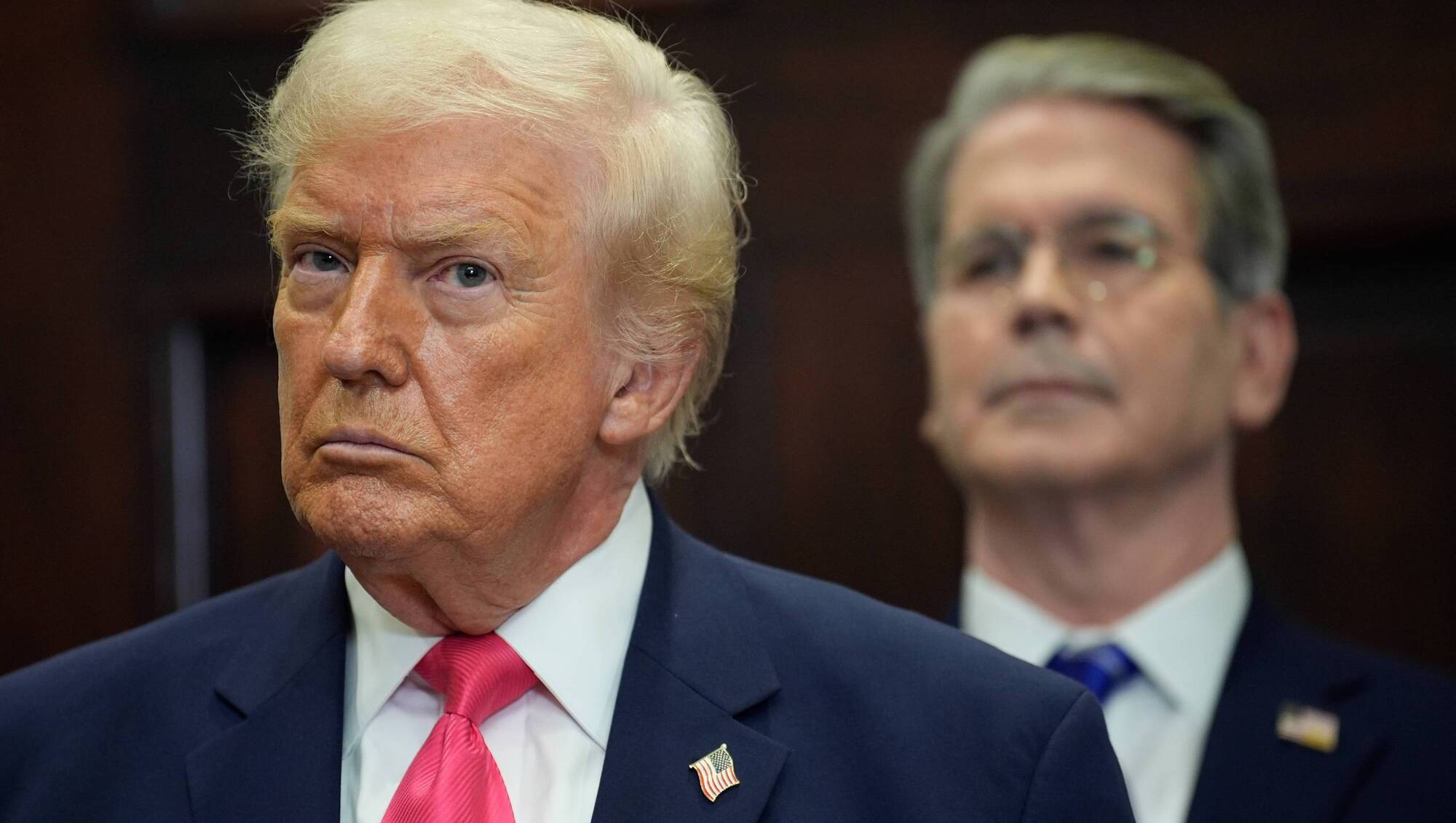
US President Donald Trump and Scott Bessent, US treasury secretary. Picture: Yuri Gripas/CNP/Bloomberg via Getty Images

Last week, the US Treasury announced it would at least double its buyback operations for longer-dated Treasury bonds, increasing the maximum size from $2bn to at least $4bn per operation for maturities in the 10-20 year and 20-30 year sectors.
The move came after long-dated bonds, particularly 30-year Treasury yields, rose above 5.3%, their highest level since 2007.
Investors have become increasingly concerned about large fiscal deficits being run by the federal government, inflation risks, and rising Treasury issuance to meet this yawning gap in the deficit.
This is a highly unusual step by the US Treasury akin to the activist policies of the Japanese authorities to support its bond and currency markets, but the immediate impact saw Treasury yields fall about 10bps.
However, the aftermath has seen yields grind higher once more, and stocks fall across US markets. Bond-buying has typically been the preserve of central banks, with the US Federal Reserve highly active in the Treasuries market in the aftermath of the global financial crisis in 2008.
This saw the Fed’s balance sheet grow sharply, with a further leg up during the pandemic in 2020. With the Fed now reducing its balance sheet from a peak of nearly $9tr in 2021 to today’s $6.5tr, the pressure of increased issuance into the market has driven upward pressure on yields, spurring the action by the US Treasury Department.
Indeed, this action can be seen as the second leg of recent interventions, the first being the intervention in the currency markets to prop up the yen in recent weeks. This action stemmed from fears the Japanese authorities would be forced to liquidate their large US Treasury holdings to underpin their currency. This scenario could have seen a major dislocation in the US Treasuries market, a risk that Secretary Scott Bessant was unwilling to take.
The question remains how far the Treasury can go without fundamental repair of the US fiscal deficit by a divided and partisan US Congress. The US federal deficit is currently running at roughly $1.8-1.9tr, equivalent to about 6% of GDP in 2026.
Successive presidents have failed to grasp the nettle on fiscal policy, instead relying on the Fed to cap yields via its quantitative easing programmes, and the dollar’s status as the global reserve currency, which could now be diminishing.
- David McNamara is chief economist at AIB