Trump's protectionism might be a bitter pill for Irish pharma sector
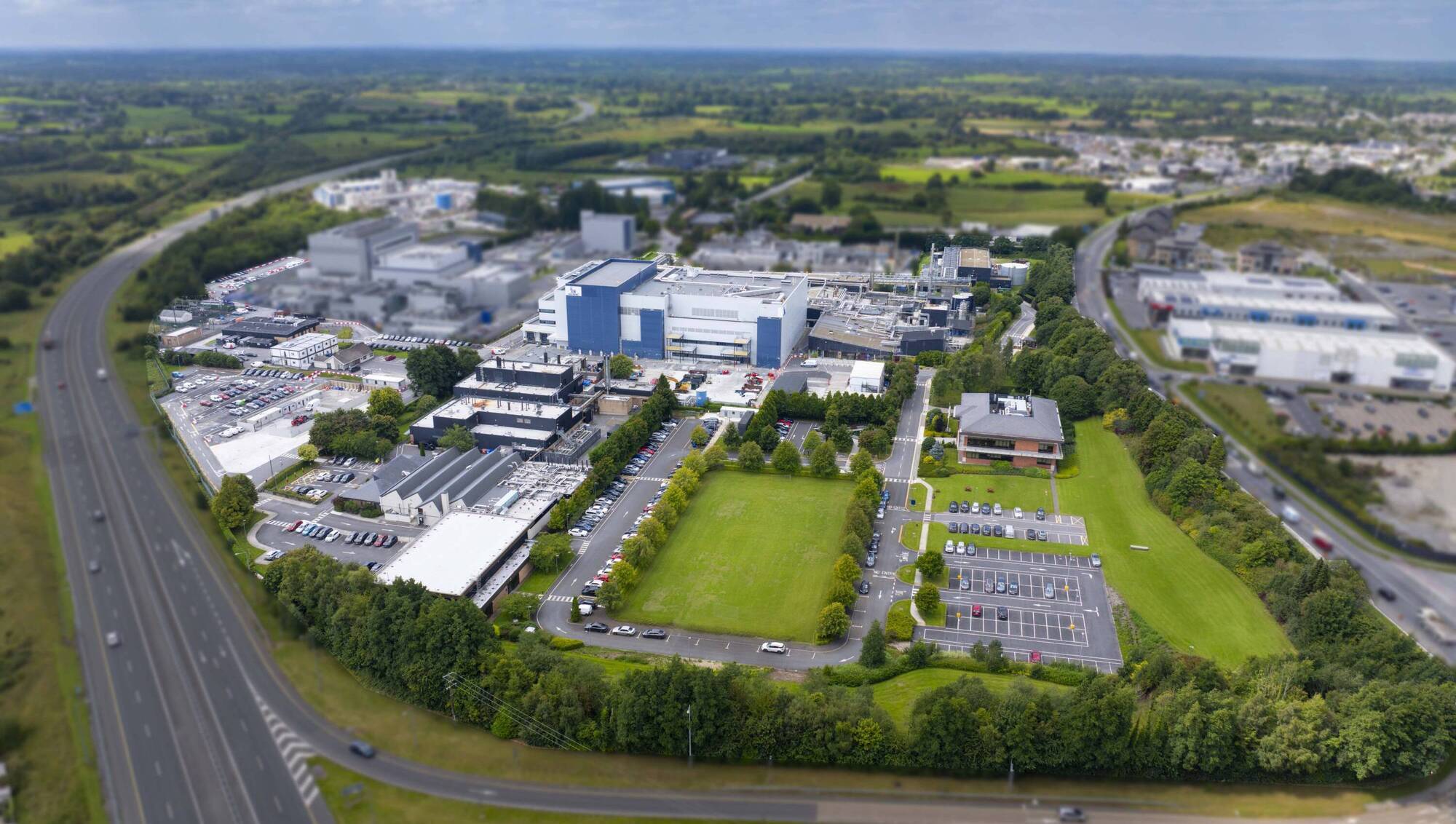
Novo Nordisk is investing €432m to expand manufacturing capacity in Athlone.

The IDA, which attracts foreign companies to Ireland, has included in its mid-year report Novo Nordisk's €432m investment in manufacturing capacity in Athlone. The site is the focal point of the Danish company's Irish operations. Novo Nordisk is scaling up the production of an oral version of its GLP-1 medicines, such as the Wegovy pill. This pill version is only for markets outside the United States.
Also, in March, Novo Nordisk announced plans to expand its oral biologic pipeline in the US, investing $2.1bn (€1.83bn) with Vivtex Corporation, which includes obesity therapy Wegovy (semaglutide). This investment is driven by the Trump administration's threat to slap import duties on any pharma company that does not invest and manufacture in the US.
The Novo Nordisk strategy, bending to Mr Trump's protectionist demands, offers some guidance to Taoiseach Micheál Martin and Tánaiste Simon Harris as they set out their agenda to improve Europe's competitiveness during Ireland's EU presidency. They may be able to bolster Ireland's pharmaceutical export sector, which is shrinking rapidly following the Trump administration's pressure to bring back to the US manufacturing of all medicines for its home market.
Expectations that Novo Nordisk would become Europe's first trillion-dollar company were dashed as its market capitalisation collapsed last year. That dramatic market plunge — which wiped out roughly $70bn (€61bn) in a single day — marked a sharp turning point for Novo Nordisk.
The staggering sell-off had been "amplified" by the pressure from Donald Trump to lower the price of medicines for Americans. Mr Trump has been pushing companies in the sector to make all pharmaceuticals cheaper in the US under his 'most-favoured nation' pricing demands. This included weight-loss medication, and he complained that the "fat drugs" were more expensive in the US than in other countries. In November, he announced the 'most-favoured nation' agreement with Novo Nordisk and Eli Lilly, the other major weight-loss medicine manufacturer.
Adding to Novo's difficulties were the impending patent expirations outside the US for semaglutide, the key ingredient in Wegovy, prompting generic manufacturers to produce copycat drugs at significantly lower prices. To combat this, Novo had to lower the price of its Wegovy to remain accessible and competitive. The company has since faced turmoil, announcing thousands of job cuts across its plants in Turkey, Lebanon, and the US, amid warnings of increasing competition and the impact of patent expiration.
The persistent downward revisions continued in 2026, forcing down shares to further multi-year lows and pushing the company in to an ongoing period of reassessment, as it shifts from an unstoppable growth narrative to navigating a highly saturated competitive landscape.
Novo is hoping that its new pill will stabilise its position by expanding its Irish facility to supply European markets and restructure its US manufacturing operations to reduce its overheads, in line with lower profit from its lower sales price in that market.
Also, Eli Lilly aggressively gained ground with its own highly popular weight-loss medicines, GLP-1, Mounjaro, and Zepbound, causing Novo's obesity market share to shrink significantly.
Both Nova Nordisk and Eli Lilly, with its huge manufacturing hub in Kinsale — which makes the active pharmaceutical ingredients for its weight-loss drugs — have placed Ireland at the centre of the explosive demand for weight-loss drugs based on GLP-1 treatments.
These weight-loss and diabetes drugs have grown to account for a massive portion of Ireland's exports, estimated at roughly 20%. The Central Bank, in its summer quarterly bulletin, suggested that part of the reason for the huge surge in exports last year was the increased production of new weight-loss drugs.
The combination of the Trump push to bring home all manufacturing by US corporations, his 'most-favoured nation' pricing policy, and the end of patent protection for many blockbuster drugs produced in Ireland will inevitably create major profit losses, job losses, and tax revenue losses to the State over the coming years.
One major initiative that the Taoiseach and Tánaiste could push to balance competitiveness in the EU and outsmart the Trump strategy would be to extend EU patent protection for new drugs to 30 years, 10 years more than in the US. This would make the EU much more attractive for investing, levelling the playing field with the US and accelerating research and development of new medicines.