Oliver Mangan: US data will need close watching in the months ahead for signs of a recession
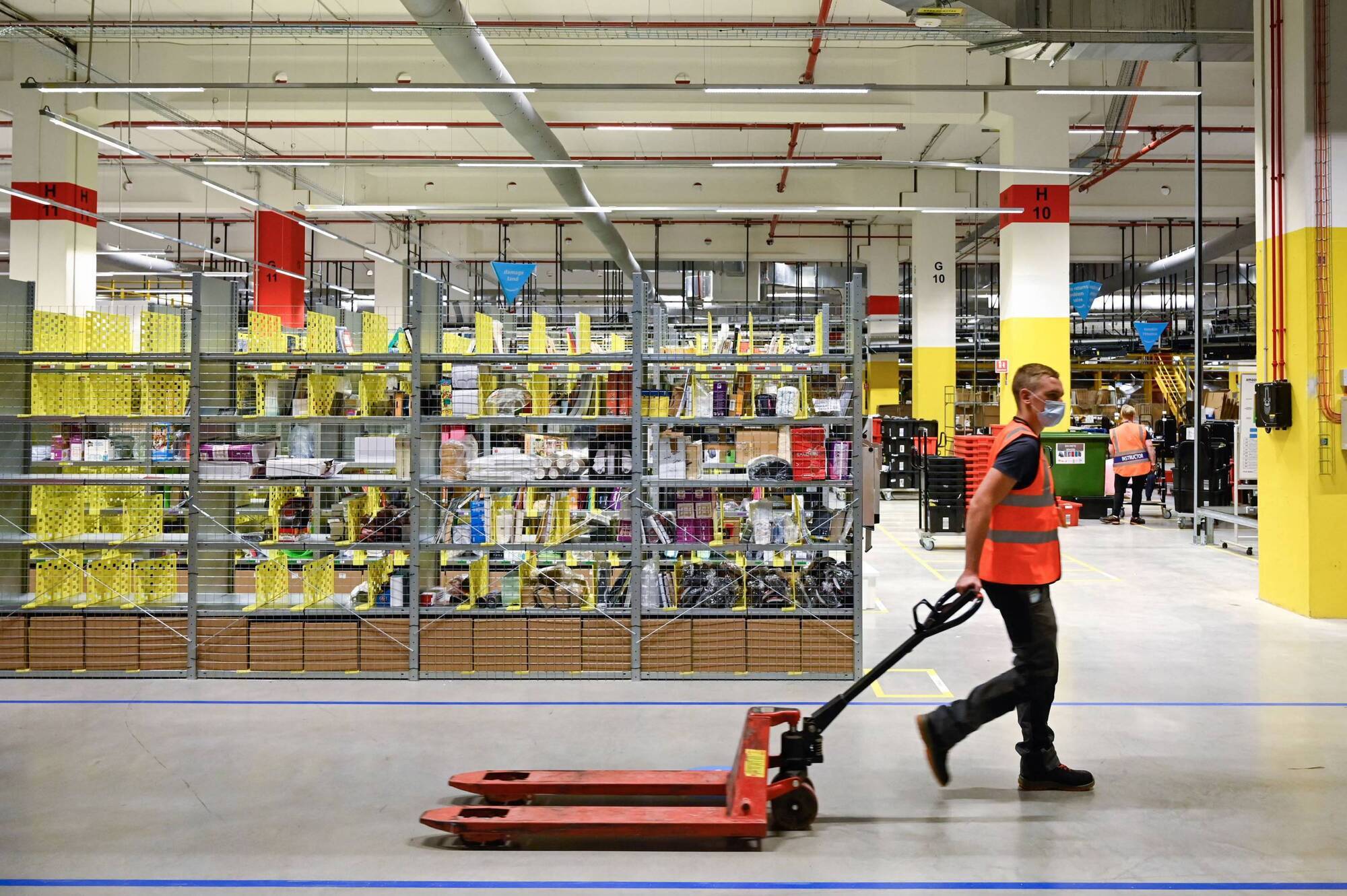
US weekly jobless claims are on the rise, while a closely watched hiring index fell to a 34-month low in March.

The latest quarterly update from the IMF on the outlook for the world economy published last week saw little change to its forecasts from those issued in January and last October.
The global economy is expected to grow by 2.8% this year and 3% in 2024, after expanding by 3.4% in 2022. The stabilisation in forecasts over the past six months is welcome as there had been fears towards the end of last year that many advanced economies could be hit by a recession in early 2023.
However, data held up reasonably well in the final quarter of 2022 and the opening three months of 2023, with labour markets, in particular, remaining strong.
That is the end of the good news, though, as the IMF report is quite downbeat in its assessment of the global economy and the increasing downside risks to growth.
The first point to note is that historically, a 3% growth rate is quite low for the global economy. Furthermore, the IMF sees the world economy being stuck on a 3% growth path out to 2027, the lowest medium-term forecast it has made since it began to do such projections back in 1990.
Meanwhile, the IMF notes the balance of risks has shifted firmly to the downside following the emergence of signs of stress in the financial system recently, and the likely consequent tightening of credit conditions.
The IMF comments that the tentative signs this year, that the world economy could achieve a soft landing have receded amid sticky core inflation and recent financial sector turmoil. While uncertainty is high, it believes a hard landing has become a much larger risk, especially for advanced economies.
The IMF notes the recent banking system turbulence could result in a sharper and more persistent tightening of global financial conditions than previously anticipated. There could also be greater than expected contractionary effects from the marked hikes in central bank rates given the historically high levels of private and public sector debt.
Indeed, if inflation remains sticky, it could prompt central banks to do more tightening than currently envisaged. The IMF also lists other downside risks, such as an escalation of the war in Ukraine, geo-economic fragmentation that hampers global trade and cooperation, as well as a possible faltering of the post-covid economic recovery in China.
The US economy could be most at risk of a downturn, given the stresses in the banking system have been most evident there, and concerns are also greatest about a tightening in credit conditions. Though most data have held up well in the US economy recently, some early warning indicators are beginning to flash amber signals.
Weekly jobless claims are on the rise, while a closely watched hiring index fell to a 34-month low in March. Meantime, the ISM services index for March saw a sharp decline to 51.2 from 55.1, led by a big drop in new orders. The ISM manufacturing index also fell in March to 46.3, its lowest level since 2009, excluding covid.
US money supply is falling at its fastest pace in decades, while there has been a large outflow of deposits from the banking system into money market funds this year that will curtail lending. Thus, US data will need close watching in the months ahead for signs of a recession.
- Oliver Mangan is chief economist with AIB