David McNamara: Infrastructure is the building blocks of an economy. We must deliver it faster
Accelerating infrastructure delivery vital to Ireland’s economic future
David McNamara: Infrastructure is the building blocks of an economy. We must deliver it faster

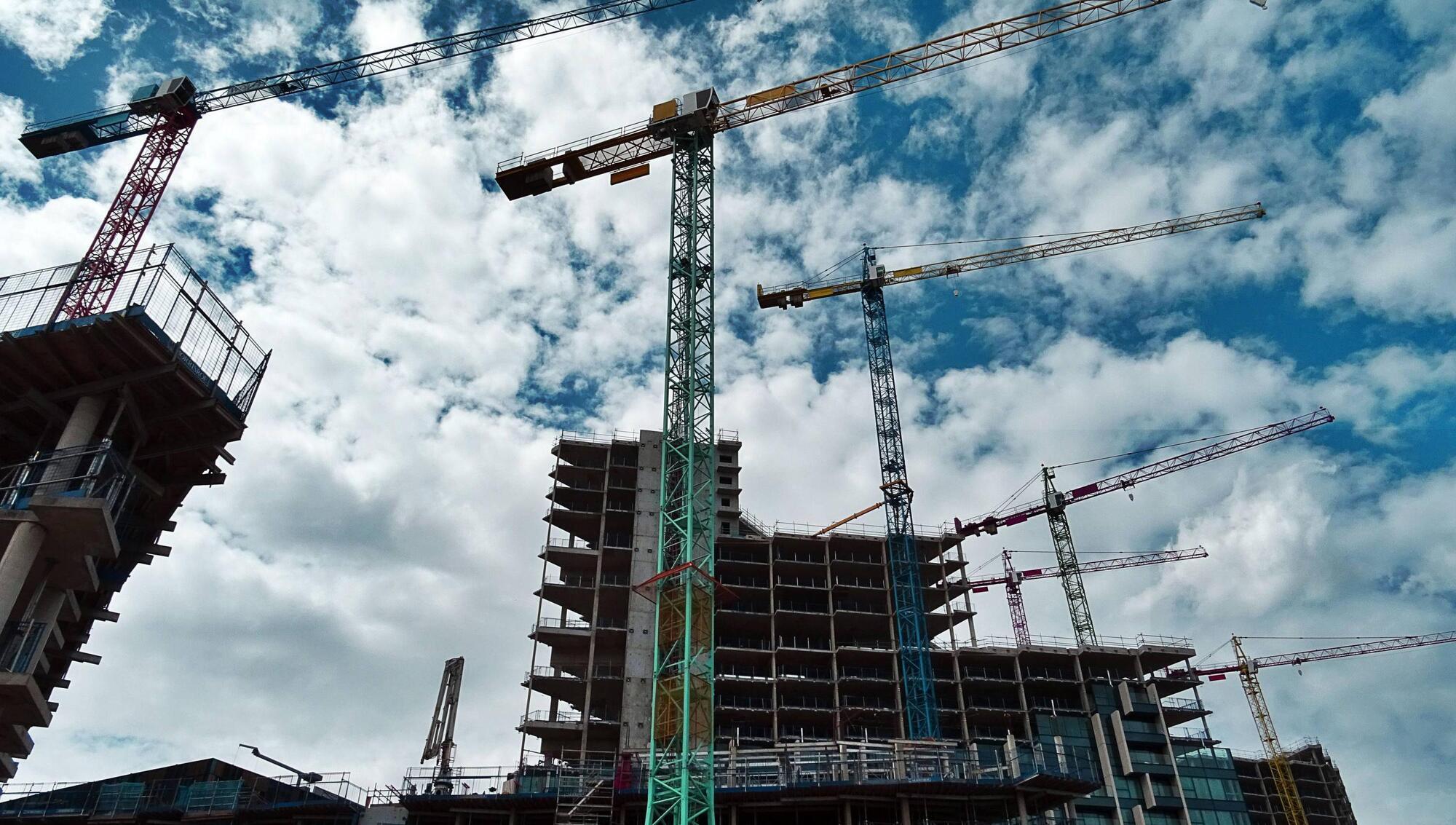
The rapid expansion of Ireland's domestic economy and population in recent years has put enormous strain on basic infrastructure for housing, energy, and transport. Picture: Pexels

While the much-anticipated “Accelerating Infrastructure” report has been criticised in some quarters as a bonfire of regulations, the context for the action plan is one of near-stasis in our collective ability to build infrastructure in recent years. 

With the status quo not delivering for the economy at present, a plan to remedy this is to be welcomed.


To be clear, Ireland has a laudable track record of delivering infrastructure to a high standard, with recent successful projects - such as Dublin Airport’s second runway - often not getting the deserved attention as other projects which have arrived late and over budget. 

The rapid expansion of the domestic economy (up 30% since 2019) and population (up 500,000 since 2019) in recent years has put enormous strain on basic infrastructure for housing, energy, and transport, while the timelines for delivering that infrastructure have become increasingly elongated. When well-meaning processes or regulations begin to hinder societal progress, then a reset is required.

The 30-point plan lays out an ambitious timeline of delivery over the next 12 months across four broad pillars: 1) Legal Reform, 2) Regulatory Reform & Simplification, 3) Coordination & Delivery, and 4) Public Acceptance. Much of the public commentary has focused on the first of these pillars, including the “bête noire” judicial review process. However, equally as important will be the drive to simplify regulations, including the interpretation of those transposed from EU law.

The move towards multi-year funding of key delivery agencies and projects, alongside procurement reform, should also give certainty for project sponsors and developers; and “one off” major projects will also receive greater central Government support to expedite them through the consenting process. 

Given our current infrastructure deficit (25% below the European average), this will require international capital and developers, who will look for certainty of pipeline and a predictable regulatory environment. Ireland may be viewed as star performer in terms of economic performance, but our record in delivering major projects is patchy, marked by pro-cyclical funding and planning uncertainty.

While the public acceptance pillar might at first appear esoteric, enhancing general knowledge of what economists call the “opportunity cost” of failing in infrastructure delivery, will be vital in a system where individual rights often outweigh the common good. 

Most Irish people intrinsically understand the open nature of the economy, its reliance on global trade and FDI, and the importance of associated tax revenues to fund public services. Underpinning that continued success will be our ability to deliver the basic building blocks of a modern economy.

Many countries lack the strategy, or more commonly the funding to realise ambitious investment plans. Ireland has a revised National Development Plan, and the recent Exchequer numbers show an abundance of tax revenues to fund it. Delivery is now all that’s required.

David McNamara is AIB chief economist

More in this section

Cookie Policy Privacy Policy Brand Safety FAQ Help Contact Us Terms and Conditions

© Examiner Echo Group Limited