Ireland may need to look beyond the US to win future inward investment
Challenges faced by global giants such as Apple, Google, Microsoft, and Facebook, whose Irish operations posted sales of €316bn, may force Ireland to rethink its FDI strategy
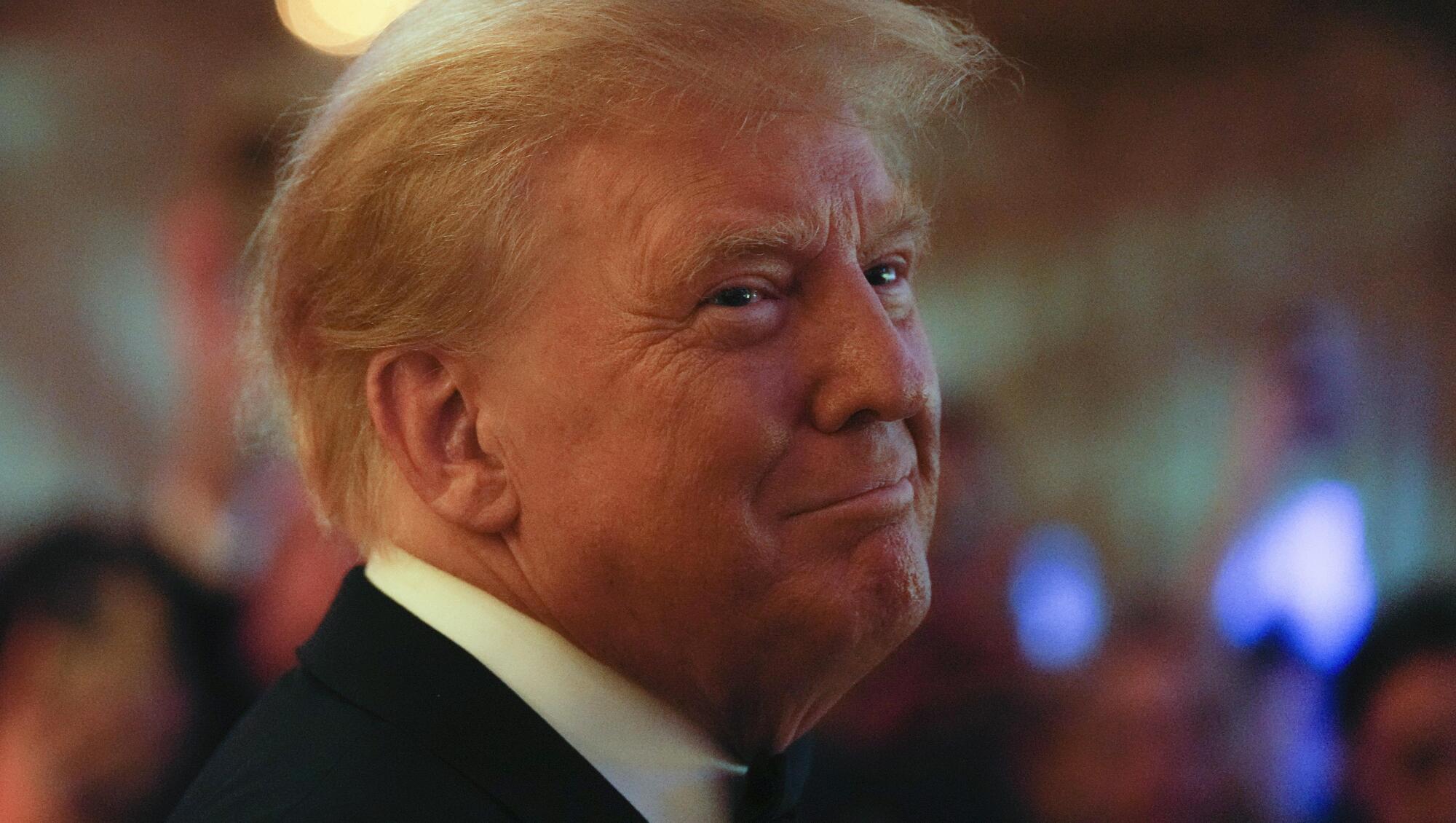
Ireland started 2022 with a recovering momentum in FDI. But a policy of bringing jobs back to the US may affect future investments if Donald Trump were to win a second go in the White House. File picture

Ireland started 2022 with a recovering momentum in FDI. But a policy of bringing jobs back to the US may affect future investments if Donald Trump were to win a second go in the White House. File picture

The recent focus on job losses in the tech sector raises key questions for Ireland’s economic exposure — not least because Apple, Google, Microsoft, and Facebook are the four largest companies by sales in Ireland, based on export markets. 

Between them, the four tech giants posted sales of €316bn through Irish companies, making up a huge share of the corporation tax collected by Revenue.

However, technology companies in general are facing severe headwinds with the outlook dependent on the direction of the Russia-Ukraine war, rampant inflation, cooling consumer demand, monetary policy, and other geopolitical developments.

It is too early to draw any concrete conclusions, however the latest international trade figures for the quarter to the end of September, which were published last week, indicated that global foreign direct investment (FDI) flows have reached a critical juncture and are now on a downward trajectory, as the threat of recession in Europe, the US, and other large G20 economies, dampen investor sentiment. The picture looked much rosier in the early part of the year.

Ireland started the year with a recovering momentum in FDI. And, just a few months ago, the IDA had reported that levels of foreign investment in Ireland was the highest ever, in the first half of the year.

This bullish investment sentiment was reflected in many countries, as businesses ramped up after the pandemic lockdown years. 

However, the UN’s trade and development organisation, Unctad, has reported that FDI flows across the world are down by 31% in the second quarter.

James Zhan, Unctad’s director of investment and enterprise, said the second quarter this year was a “turning point” whereby investment flows across greenfield projects, cross-border mergers, and project finance globally were now falling. He expects the decline to continue into 2023. Among developed countries, the OECD economic growth figures show the UK economy went into recession, as widely expected.

Earlier this year, the IDA was relatively positive about the pipeline of foreign investments, even as retaining companies and trawling for new investors would appear to have become much more uncertain.

Investors in the tech sector and pharmaceutical and medical devices industries have been the main sectors supporting the stellar performance of Ireland’s exports over the past number of years.

But there is concern that the vast bulk of companies investing in Ireland are US owned. A renewed focus in the US on reshoring, meaning bringing back to the US jobs from abroad, may affect future investments into Ireland. That will again loom large if Donald Trump were to win a second go at the White House.

A substantial shift in focus away from the US could be the safeguard that will be necessary to underpin the Ireland’s future inward investment success. There are options, but a new shift in policy would need extensive resources to replace lost investments from the US.

The second largest foreign investor group in Ireland comes from Germany. Overall, German investment in Ireland supports around 20,000 jobs, the same number as the four largest tech giants that have significant facilities in Ireland.

But there the comparison ends, because Germany has a similar effective rate of corporation tax as Ireland’s. That means there is no incentive to download profits in Ireland, whereas the relatively elevated rates of US corporation tax encourage US corporations to maximise their profits in Ireland, to the benefit of the Irish State.

Investment from China has not been a feature of inward investment here. However, Chinese-owned TikTok, the heir apparent to Facebook, recently announced the recruitment of 1,000 people to bring its workforce in Ireland to 3,000, matching that of Facebook.

However, as with Huawei, which has also been expanding in Ireland, any further growth of Chinese companies could put Ireland on a collision with a US administration that is increasingly conscious of security.

  • John Whelan is a leading consultant on Irish and international trade

More in this section

Cookie Policy Privacy Policy Brand Safety FAQ Help Contact Us Terms and Conditions

© Examiner Echo Group Limited