David McNamara: Divergence grows between Fed and markets on rate expectation
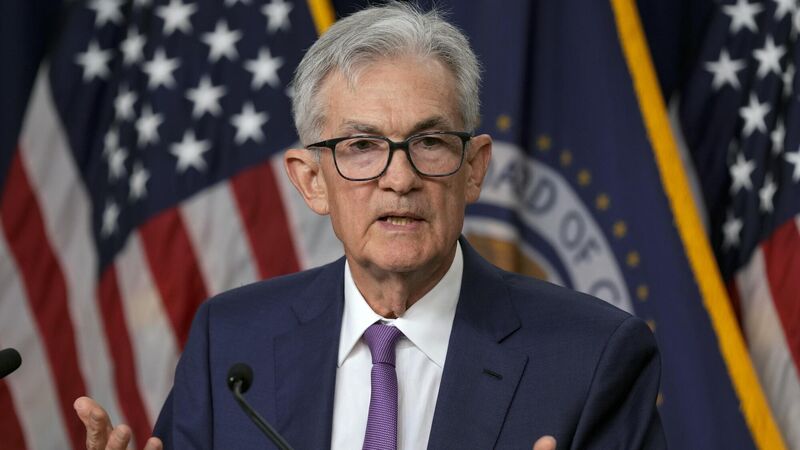
President Trump may select a new Fed Chair early, in an attempt to undermine the authority of Jay Powell.

The recent moves in US rates and the dollar highlight a growing divergence between the Fed and markets, amid signs of division on the rate-setting Federal Open Market Committee (FOMC).
With the Fed’s latest ‘dot-plot’ indicating very little change in the median rate expectations of members compared to the March forecasts, it appeared the Fed was content to sit on the sidelines until the autumn at least.
However, comments from prominent Governors (Waller, Bowman) calling for a rate cut as soon as July suggest upcoming FOMC meetings may be more fraught affairs.
Added to the uncertainty, media reports suggest US President Donald Trump may select a new Fed chairperson early, in an attempt to undermine the authority of Jay Powell as he winds down his term, which ends in May 2026.
The aforementioned Waller is now a warm favourite on betting markets, with his newfound dovishness no doubt a boon to his candidacy with President Trump.
Amidst the uncertainty, markets have moved materially ahead of the Fed’s current dots, pricing in a Fed funds rate at 3.1% by end-2026, compared to an FOMC median projection of 3.6%, and US Treasury yields are 10-15bps lower on the week.
Alongside a general easing in geopolitical risk, this has added further impetus in recent days to the dollar’s ongoing depreciation. EUR/USD is now trading towards the midpoint of $1.17-1.18, raising questions of how far the greenback could fall.
As we discussed recently, in terms of important levels to watch in the near term for EUR/USD, a sustained break above the recent $1.14-$1.16 range would imply further material downside for the dollar. The $1.20 mark would represent the next significant resistance, as the pair has not traded on a sustained basis above this threshold since 2014.
While markets are focused on downside risks for the dollar, it is also worth noting the upsides.
First, the Fed still retains a bias towards limited rate cuts, with seven members pricing in no cut at all in 2025 in the June FOMC projections. This cohort remains vigilant of the inflationary risks inherent in the potential US policy shifts on trade and taxation.
Indeed, this week’s flash US PMIs showed a notable uptick in input and selling prices to a three-year high in June, suggestive of inflationary pressures to come due to tariffs. Therefore, the move in rate futures may be overdone.
Second, the dollar still benefits from its reserve status. The Eurozone has seen some inward capital flows in 2025, but the currency will struggle to erode the US dollar’s crown as the reserve currency, given the paucity of safe assets beyond the German bund market.
This TINA (there is no alternative) problem might yet provide a floor for the US dollar given the lack of safe-haven alternatives beyond US markets, even in the event of a reckless turn in US trade policy.
However, attempts from President Trump to interfere more boldly in monetary policy could see markets explore more pressingly for an alternative to the dollar, which would pose significant downside risks for the US unit.
- David McNamara is Chief Economist with AIB