David McNamara: Central banks muddling through amid developing oil shock
No region will be spared the economic impact of a long-lasting war
David McNamara: Central banks muddling through amid developing oil shock

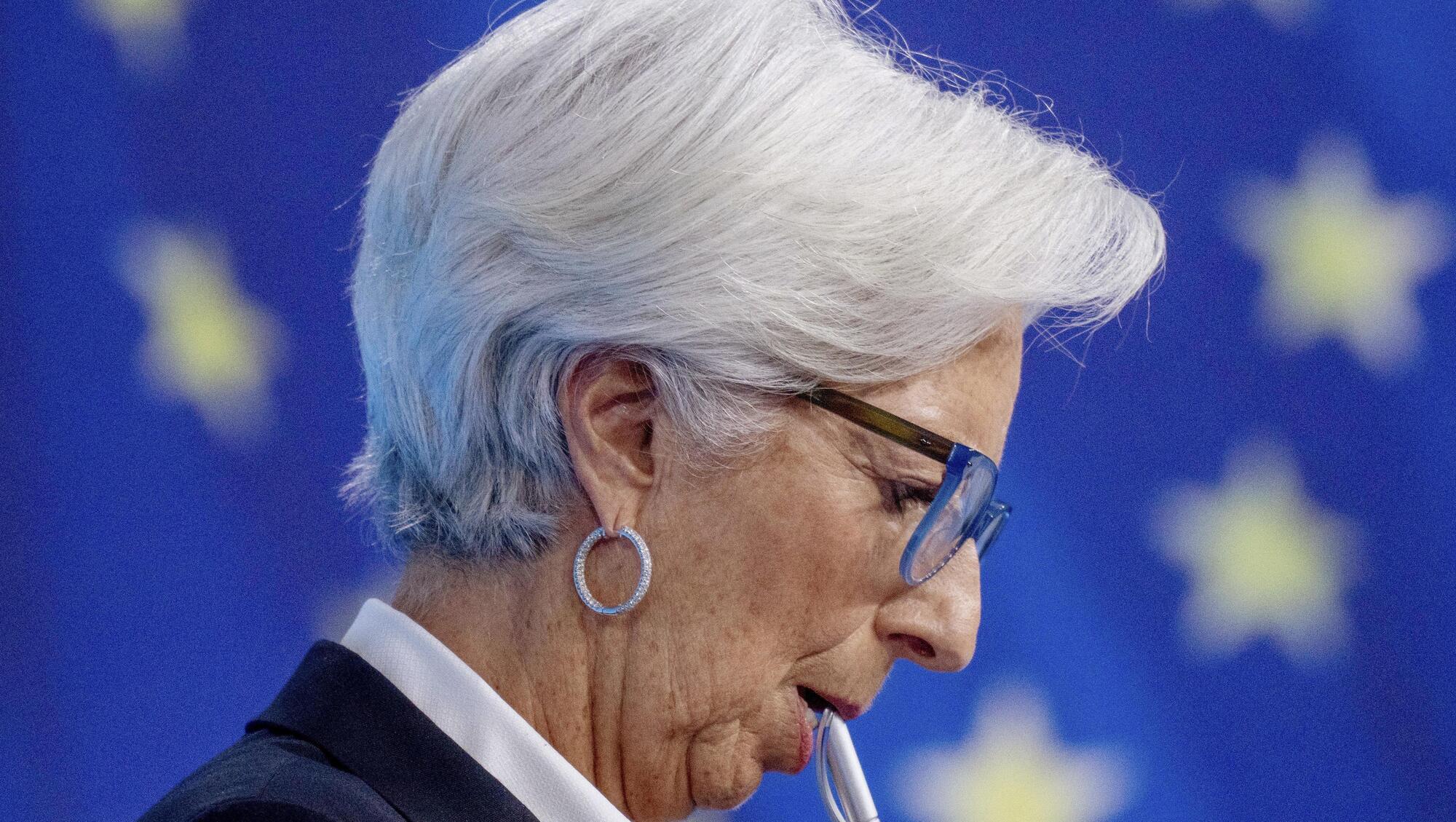
ECB president Christine Lagarde. The ECB ‘severe’ scenario sees oil peaking at $145/barrel and natural gas at over €100/kw. Picture: AP Photo/Michael Probst

With no moves expected from the world's biggest central banks meetings last week, markets were closely watching for any hints of an imminent shift in monetary policy on the back of the Middle East conflict. With such a volatile situation unfolding in the region, and influencing global energy markets, the various central bank leaders could be forgiven for seeking a bridge to a potentially calmer environment later in the spring.

Most revealing of the major central banks was the European Central Bank, which published several scenarios based on the potential paths for oil and gas prices. Its ‘severe’ scenario, which has oil peaking at $145/barrel and natural gas at over €100/kwh, leads to a sharp rise in inflation, reaching a high point of around 6.5% in early 2027. Unemployment rises towards 7% from the current 6%, and GDP growth is severely blunted in both 2026 and 2027.

The less damaging ‘adverse’ scenario sees inflation rising above 4% on the back of oil prices peaking at $120, with gas prices approaching €90. Crucially, both scenarios show second-order effects in wages and core inflation, suggesting the ECB is likely to act quickly to hike rates if current market energy prices are sustained.

For the US Federal Reserve, chair Jerome Powell played a straight bat, as ever, on the outlook while acknowledging the current uncertainty. The Fed’s dot-plot continues to indicate one 25bps cut in 2026. However, in line with other central banks, US rate futures have also risen markedly in the aftermath of the Fed's Federal Open Market Committee meeting. Markets are now of the view that the possibility of near-term rate cuts in the US has evaporated.

The Bank of England’s (BoE) muddled messaging in its statement ensured a wild ride for UK rates and bond markets, with the striking unanimous 9-0 vote on the Monetary Policy Committee and hawkish tone to its statement. The minutes also referenced that the BoE no longer expects inflation to remain on a downward path and is instead pencilling in consumer price index inflation to average 3% in Q2 2026, with the potential for it to rise to 3.5% in Q3, in line with the ECB adverse scenario for the eurozone. 

In the initial aftermath of the BoE announcement, UK interest rate futures rose sharply. In an attempt to calm markets, governor Andrew Bailey pushed back against these expectations, stating “I would caution against reaching any strong conclusions about us raising interest rates” and that “the markets are getting ahead of themselves in assuming rate rises”. However, this has made little difference, with markets now overtaken by geopolitical events.

The UK market tantrum highlights the volatile and uncertain nature of the evolving situation in the Middle East, with the UK now seen as particularly exposed given its stubborn current rate of inflation, energy mix, and fiscal vulnerabilities.

However, no region will be spared the impact of a long-lasting war and closure of the Strait of Hormuz.

David McNamara is AIB chief economist

x

More in this section

Cookie Policy Privacy Policy Brand Safety FAQ Help Contact Us Terms and Conditions

© Examiner Echo Group Limited